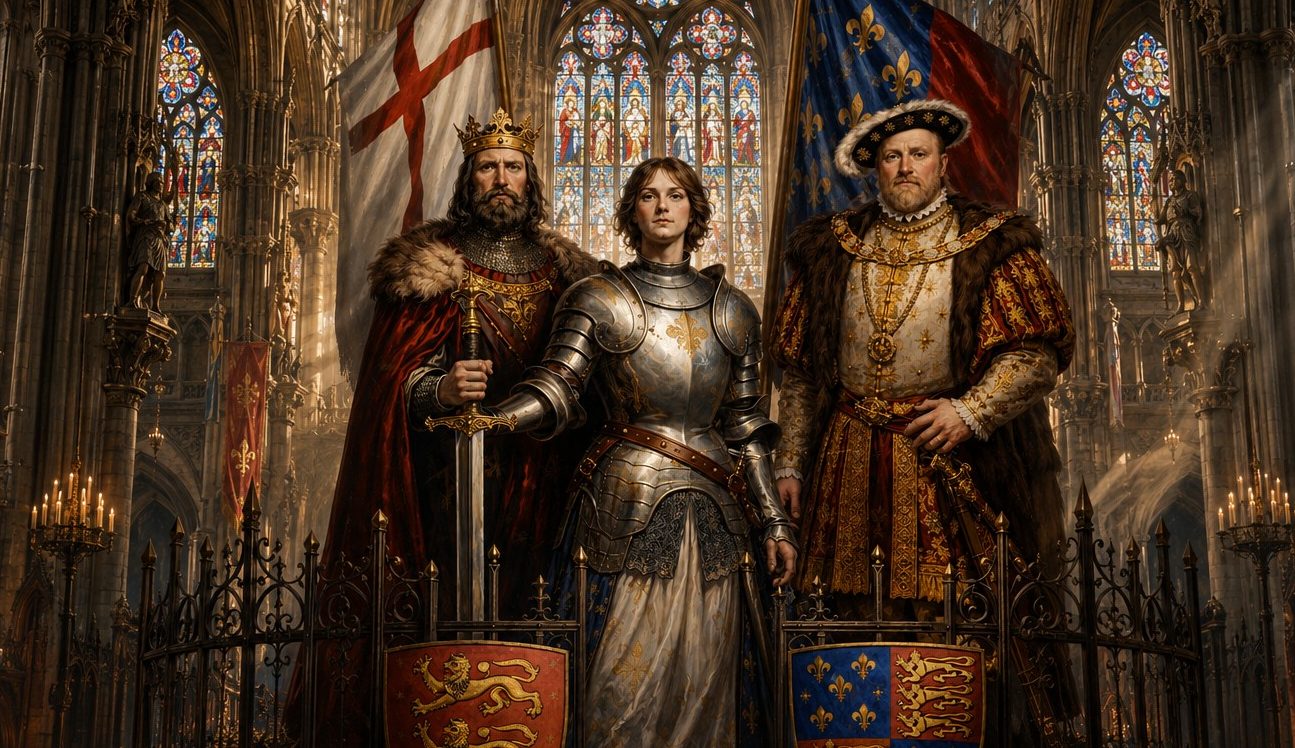


Reims – Between Glory and Ghosts
The journey to Reims is a long one.
Leaving the familiar landscapes of Normandy behind and crossing the broad open spaces of Pas-de-Calais, the miles seem to stretch endlessly ahead. The roads roll through fields that appear almost without end, punctuated by villages whose church spires still dominate the skyline as they have for centuries. France changes subtly as you travel east. It is difficult to pinpoint exactly where it happens, but somewhere along the route the country begins to feel different.

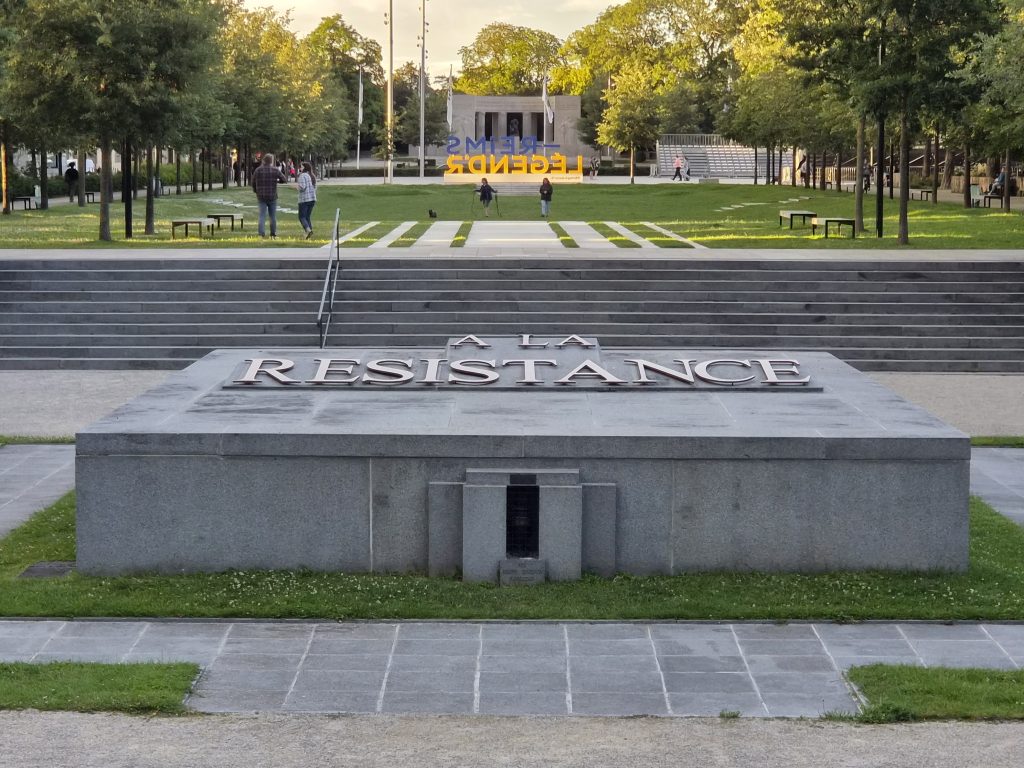
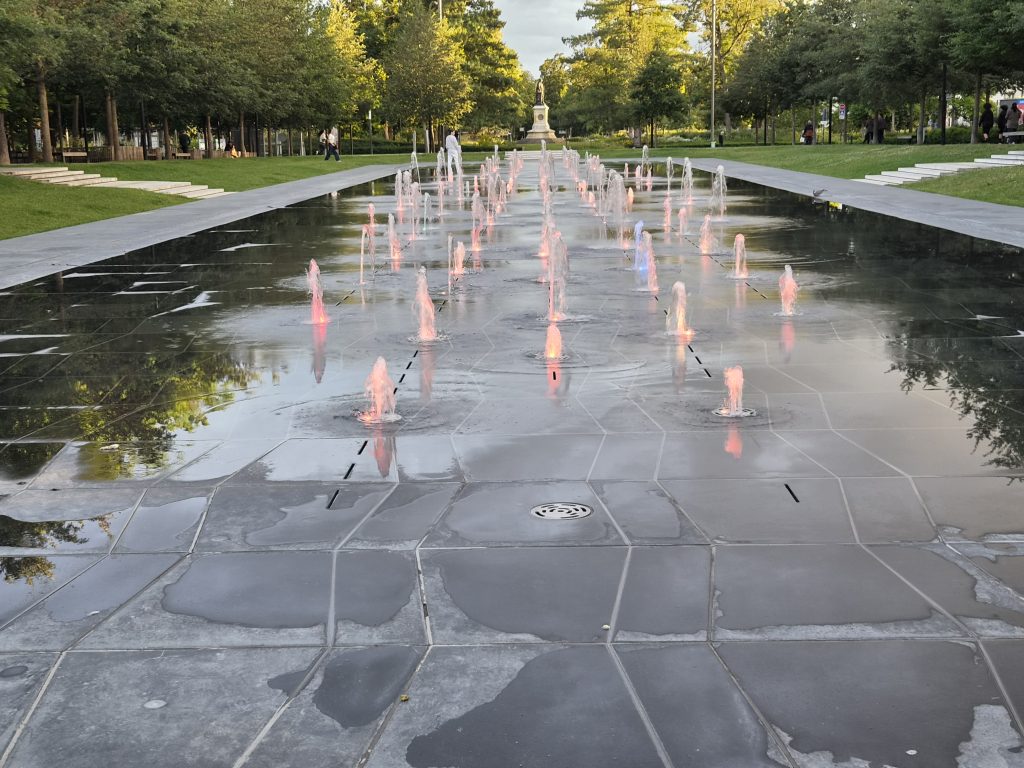
Normandy, Brittany and the Loire Valley possess a certain freedom about them. Their towns spill naturally into the countryside, their histories worn lightly despite the weight of centuries. Reims feels different. More serious. More reflective.
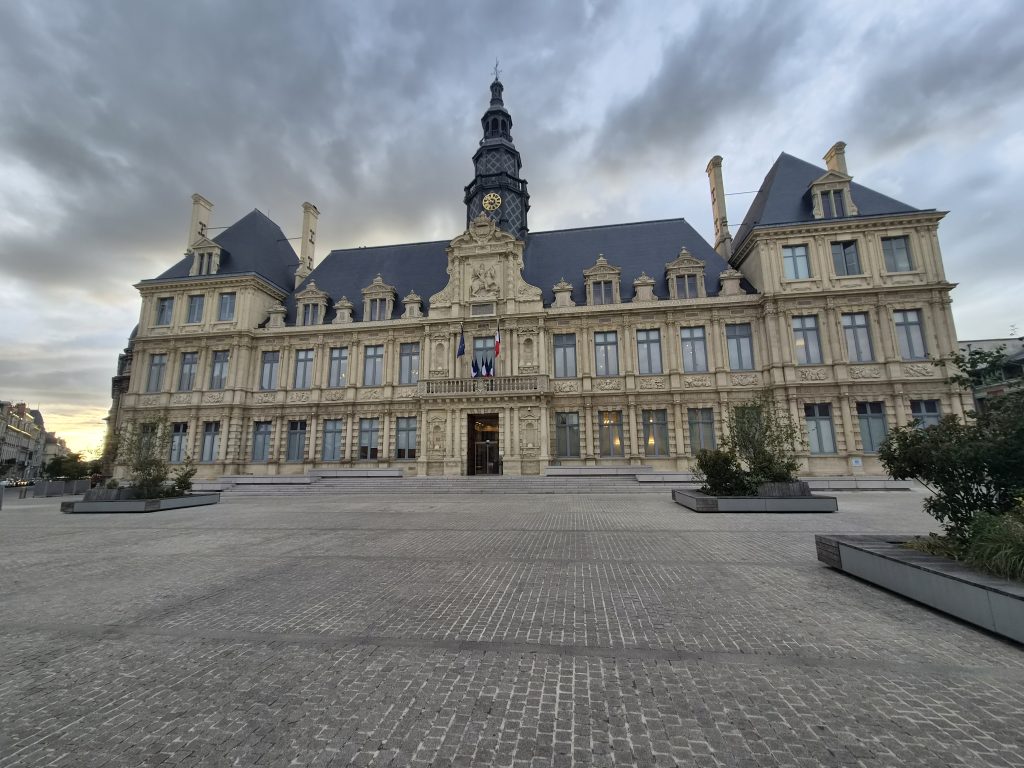
The scenery remains regal and undeniably French. Grand avenues, elegant facades and orderly squares still carry the echoes of the seventeenth century. Yet there is something else here beneath the surface. Something harder to define. The easy charm of the west gives way to a city that seems more conscious of its history, and perhaps more burdened by it.
The cafés and bars tell part of the story.
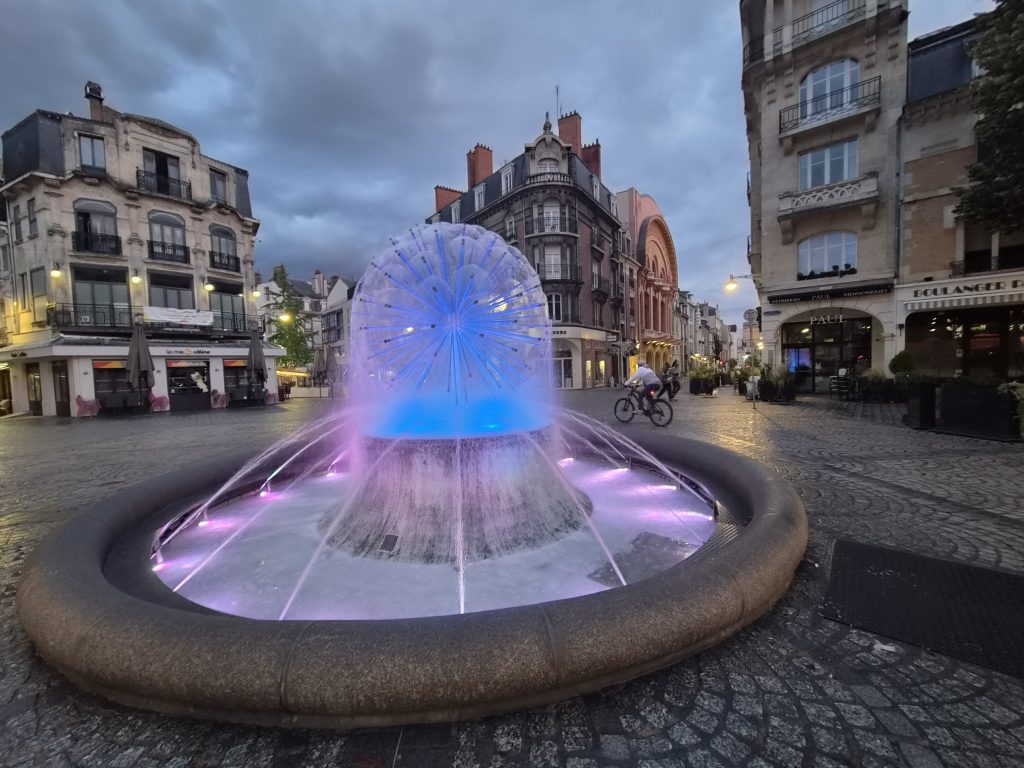
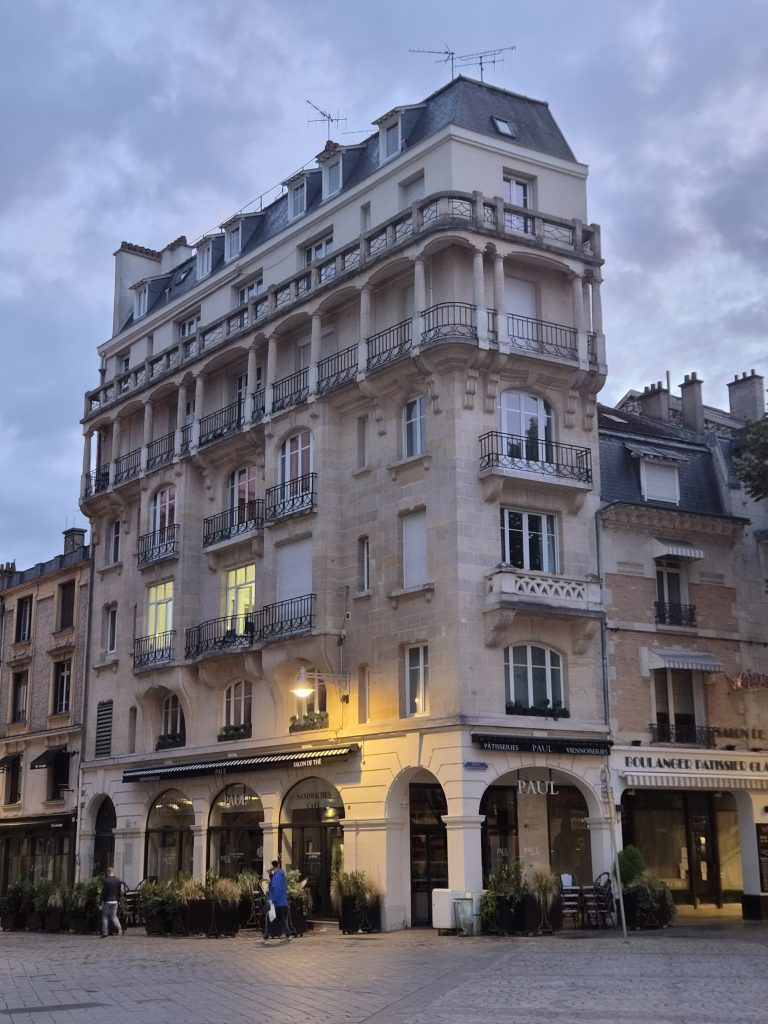
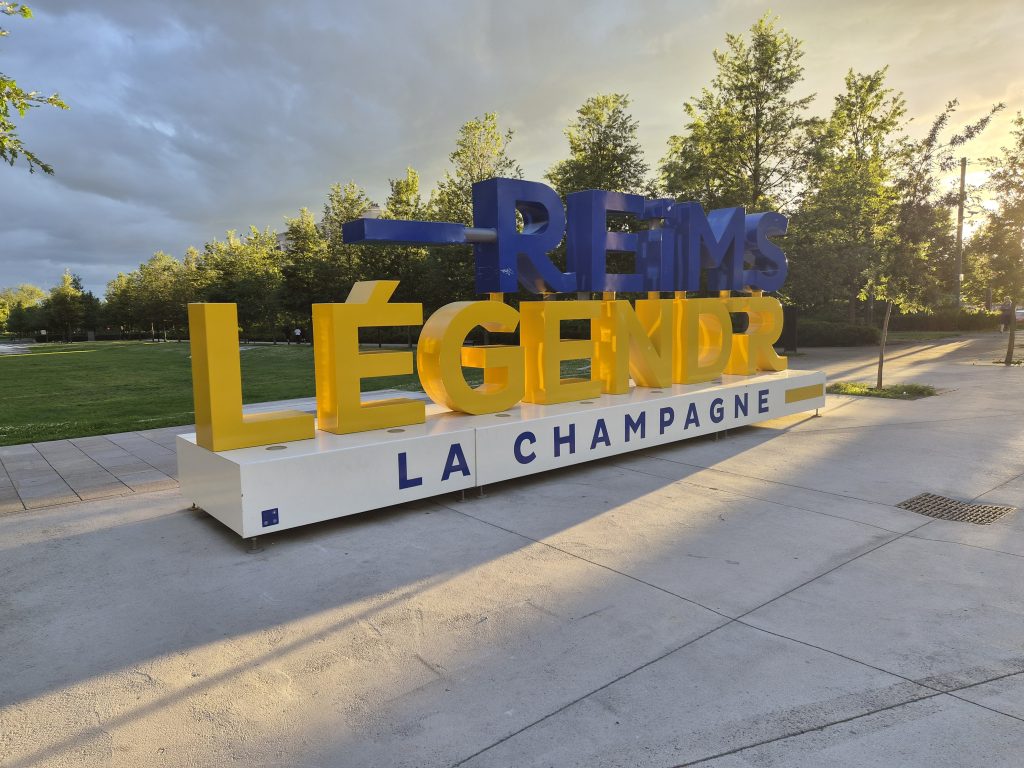
In Normandy the menus celebrate cider, calvados and seafood. In Brittany, crêpes and galettes dominate. Along the Loire, wine flows freely beside riverside terraces. Reims belongs to Champagne country, and it shows. Here the bars are filled with glasses of sparkling wine, charcuterie boards and conversations centred around the region’s most famous export. Champagne is not simply a drink in Reims; it is part of the city’s identity.
Yet despite the sophistication, there is an unmistakable solemnity to the place.
Reims is a city scarred by war.
Destroyed, rebuilt and reshaped multiple times, its streets are surrounded by monuments and memorials that remind visitors of the conflicts that swept across this corner of France. Unlike Rouen, Orléans or Nantes, there is less of a carefree atmosphere. The past seems ever-present. The city wears its history openly, and perhaps inevitably that gives it a more sombre character.
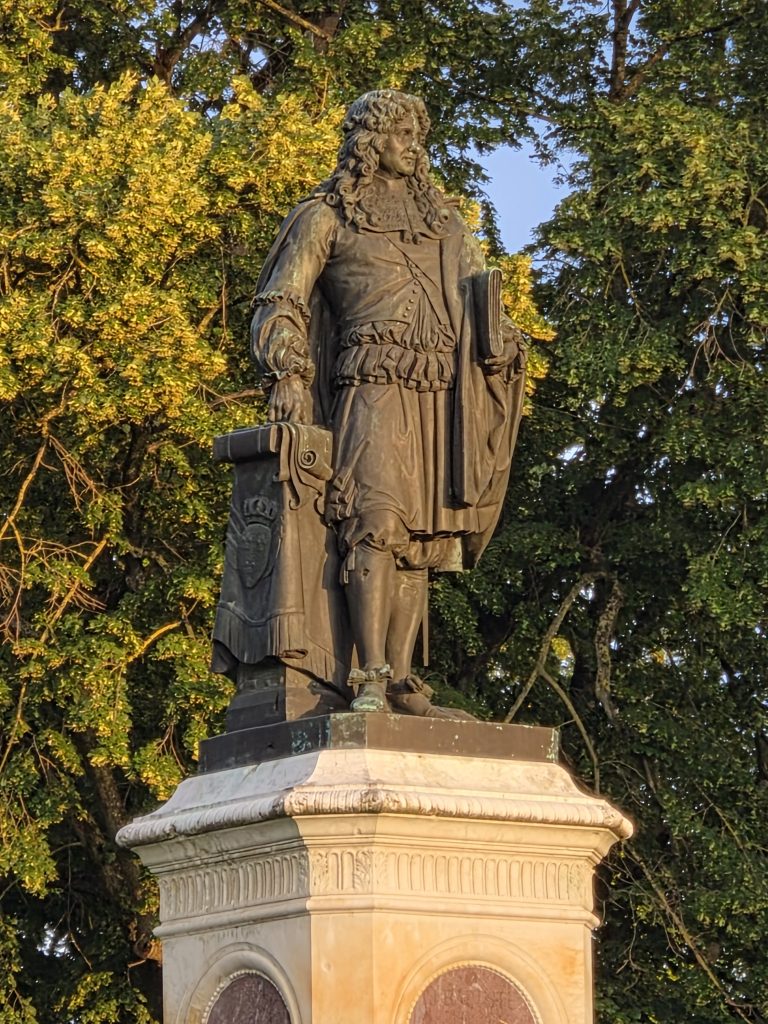
Walking through the squares and pedestrian streets, another contrast becomes apparent.
Young people gather outside cafés and bars much as they do across Europe. Yet many seem detached from the city around them, immersed instead in conversations belonging to a different generation and absorbed by the glow of mobile phones. The remarkable buildings, the monuments, the layers of history surrounding them often appear secondary to the digital worlds held in their hands. It is perhaps an observation that could be made anywhere in Europe today, but in a city as historic as Reims the contrast feels particularly striking.
At the heart of the city stands its greatest treasure: Notre-Dame de Reims.
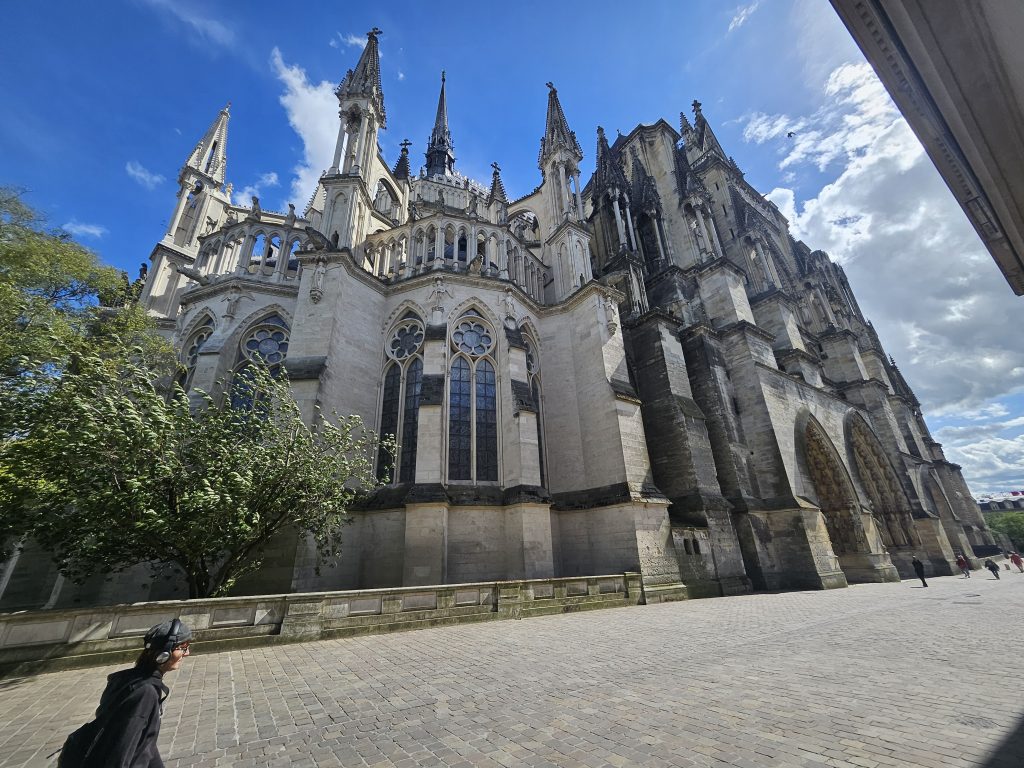
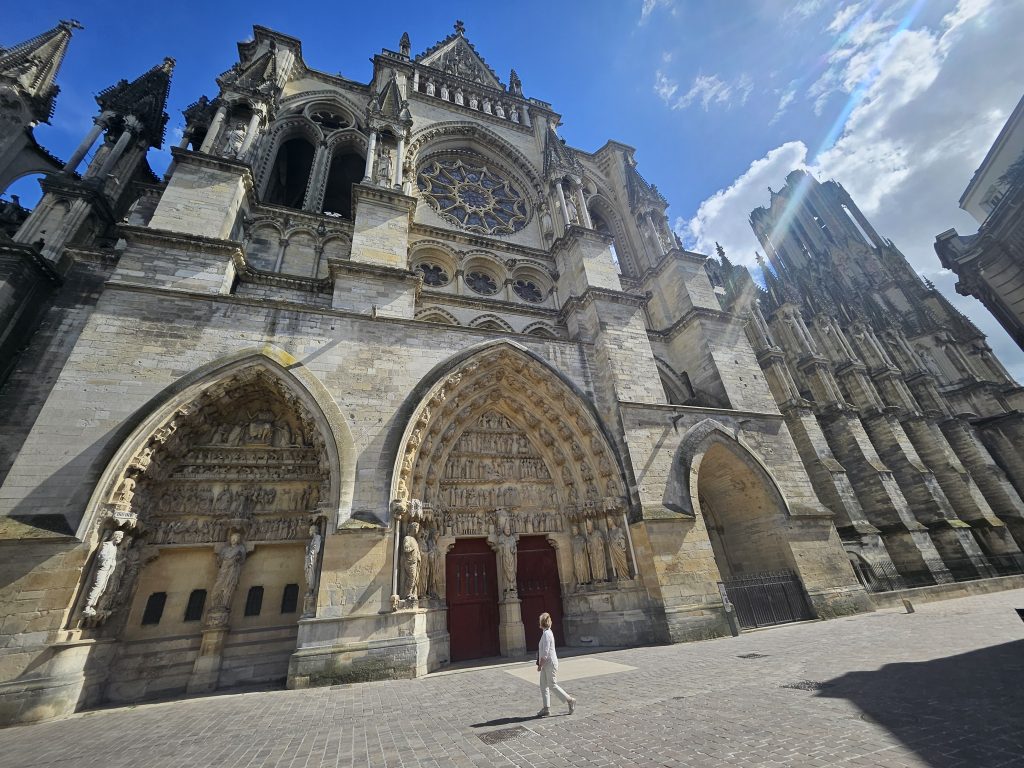
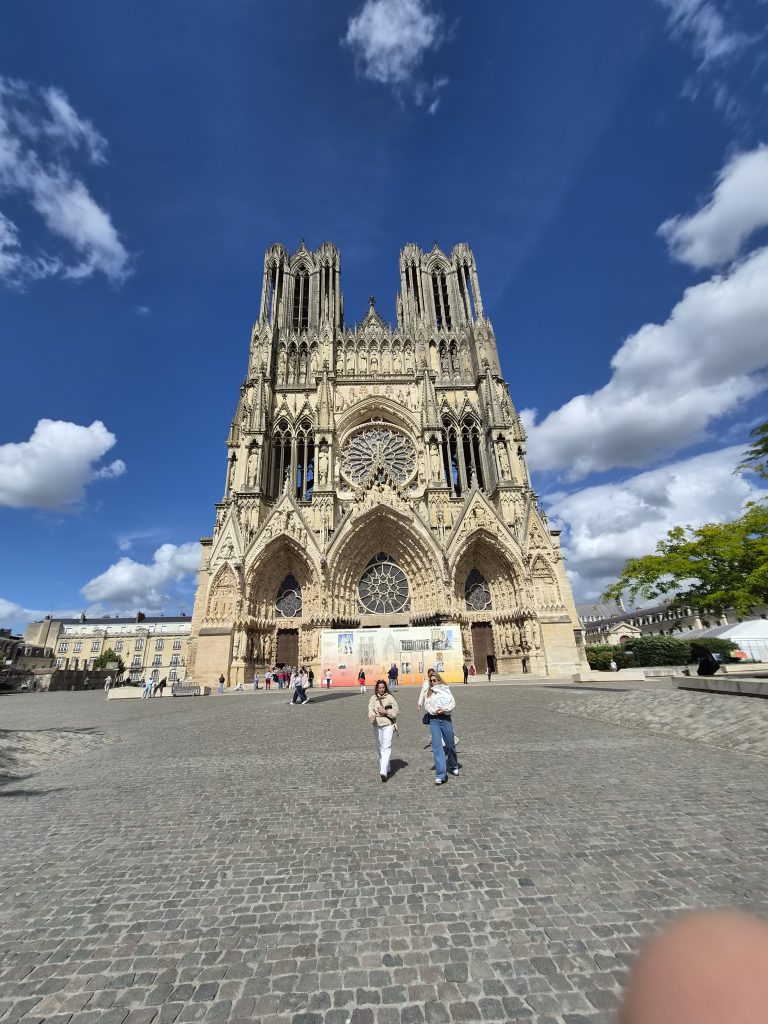
Comparisons with other great French cathedrals are inevitable. Internally, it lacks some of the ornate splendour found in Amiens or Orléans. Structurally, it does not possess the overwhelming architectural drama of Rouen or Chartres. Yet such comparisons ultimately miss the point.
Reims Cathedral occupies a unique place in French history.
For centuries it was here that the Kings of France were crowned. Generation after generation of monarchs processed beneath its vaults, linking the cathedral forever with the story of the French nation. The building carries an authority that goes beyond architecture. Its importance is not merely in what it is, but in what happened within its walls.
Standing before its great western façade, it is easy to understand why.
This is not simply a church. It is a symbol.
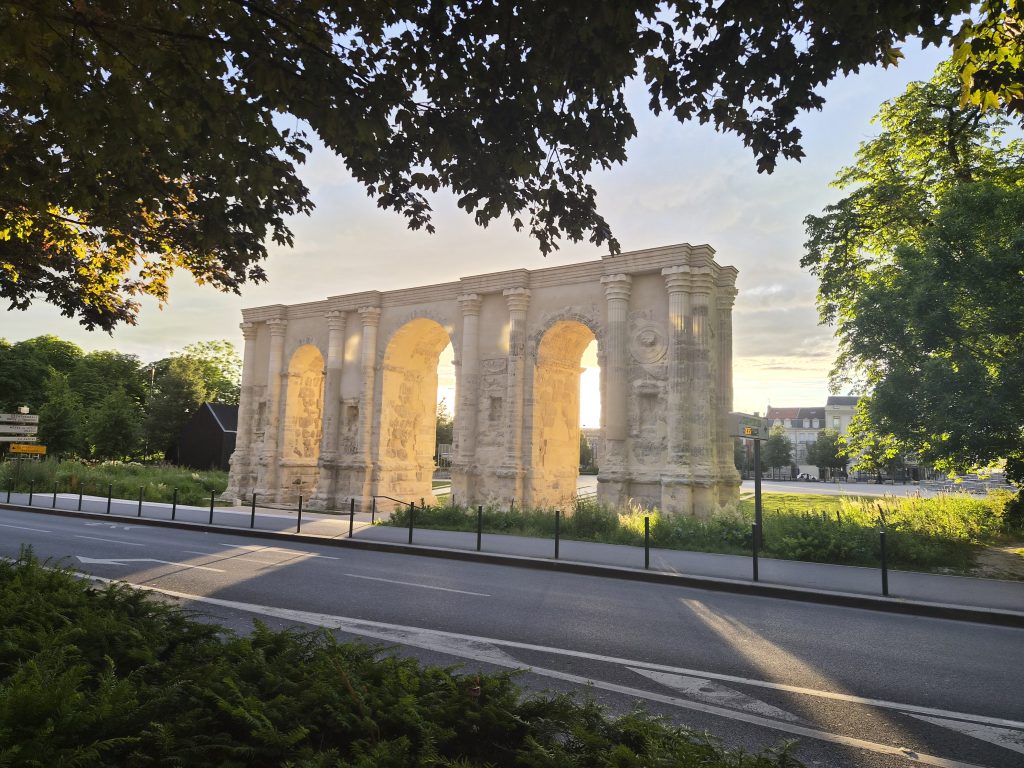
The city around it reflects a similar complexity. Roman remains sit alongside Gothic masterpieces. Neo-classical buildings stand beside later French architecture. Reconstruction after war has left its own mark, creating a mixture of styles that can feel almost contradictory. Unlike some cities that possess a clear and instantly recognisable identity, Reims feels like several cities layered upon one another.
Roman.
Medieval.
Royal.
Industrial.
Modern.
All coexist within the same streets.
At times this can make Reims feel difficult to define. Yet perhaps that uncertainty is its defining characteristic. It is not as effortlessly beautiful as some French cities. It is not as romantic as Rouen, as lively as Nantes or as relaxed as Orléans.
Instead, Reims feels like a city shaped by the great forces of European history.
Kings and emperors.
Wars and occupations.
Faith and revolution.
Champagne and commerce.
Every era has left its mark.
As evening falls and the cathedral begins to glow beneath the floodlights, the city reveals its greatest strength. Reims is not a place that immediately charms you. It is a place that gradually reveals itself. Beneath the champagne houses and busy boulevards lies a city of memory, resilience and national significance.
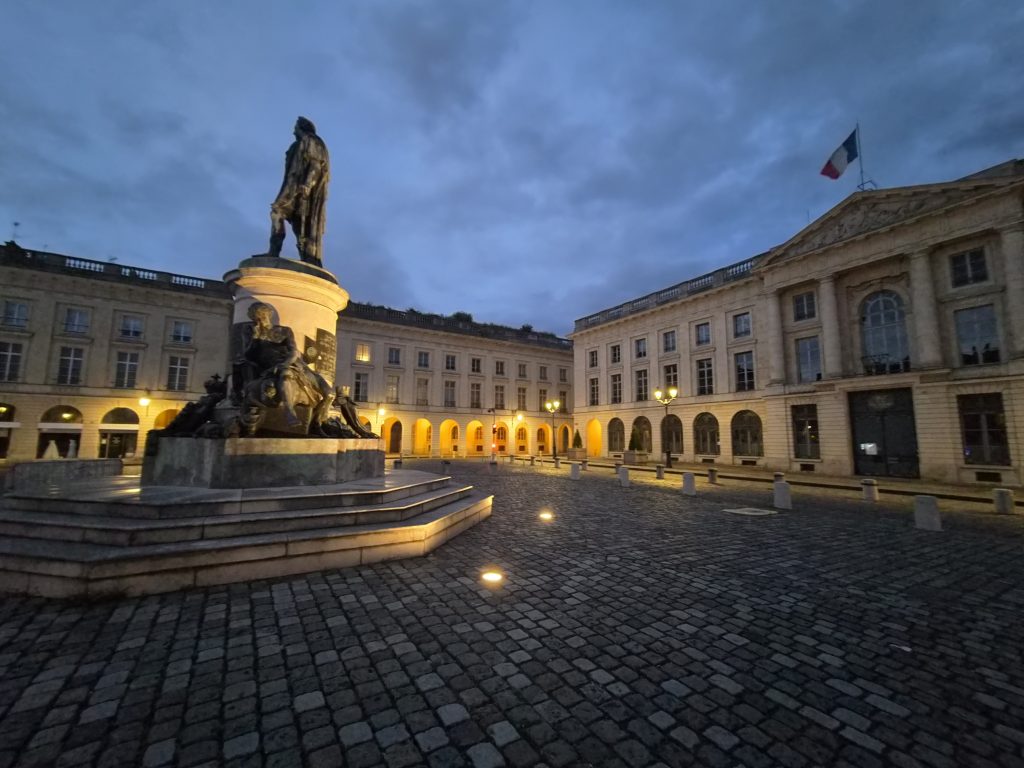
It may not be the easiest French city to love at first sight.
But it is undoubtedly one of the most fascinating.