
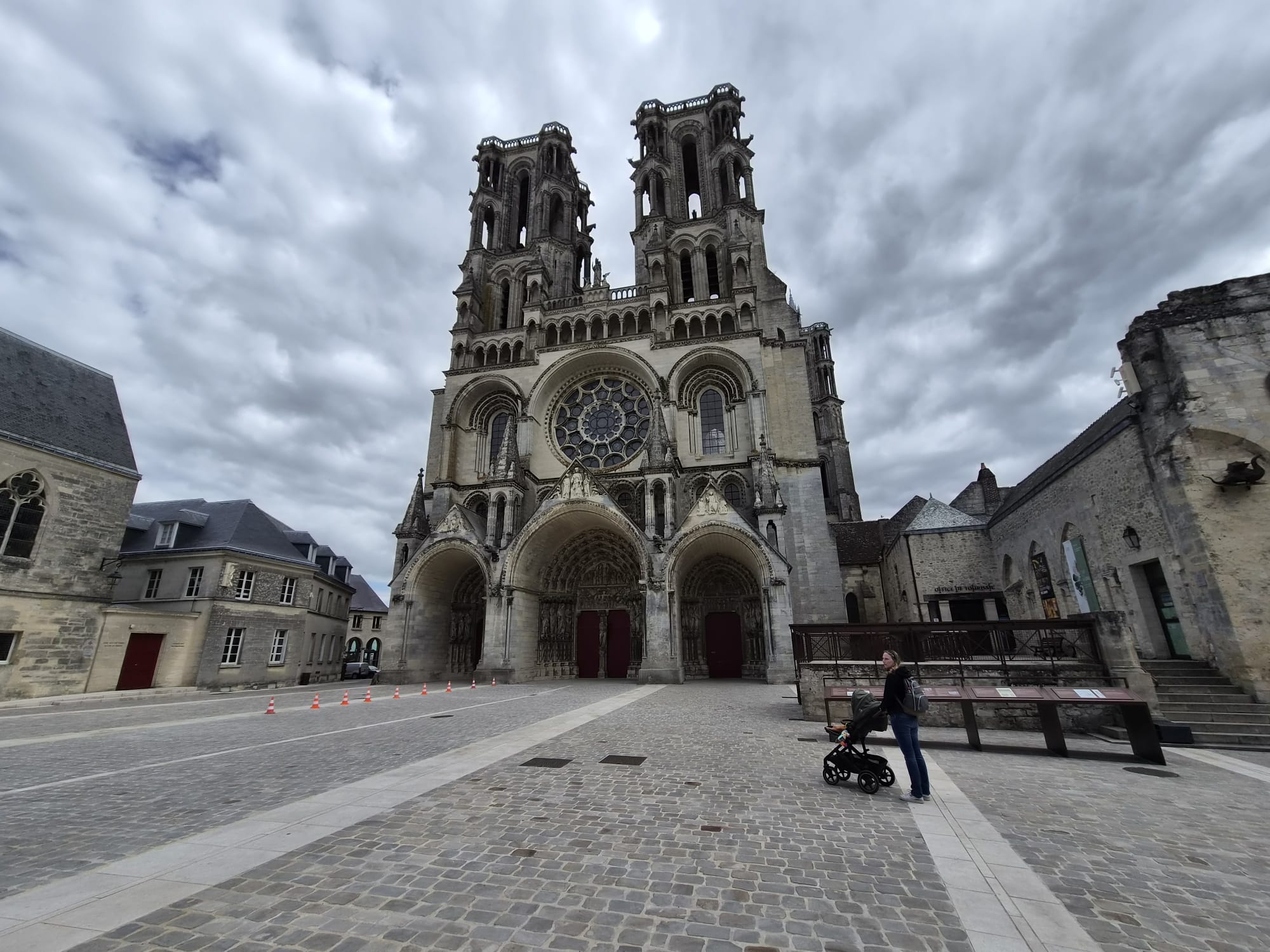
The first glimpse of Laon Cathedral is deceptive. From the outside it appears ancient and imposing, another great cathedral among the many that crown the landscape of northern France. Yet the moment you step inside, something changes.
Unlike the richly adorned interiors of Amiens, Reims or Chartres, Laon is strikingly restrained. The decoration is sparse, the stonework clean and unencumbered. There is little to distract the eye because the architecture itself is the masterpiece.
The cathedral was built during one of the most revolutionary periods in European construction. Raised within a comparatively short span of time, it captures a singular vision rather than the accumulation of centuries of changing tastes. It represents the moment when medieval builders realised they no longer needed to build heavy Romanesque fortresses of stone. They had discovered a new language of architecture.
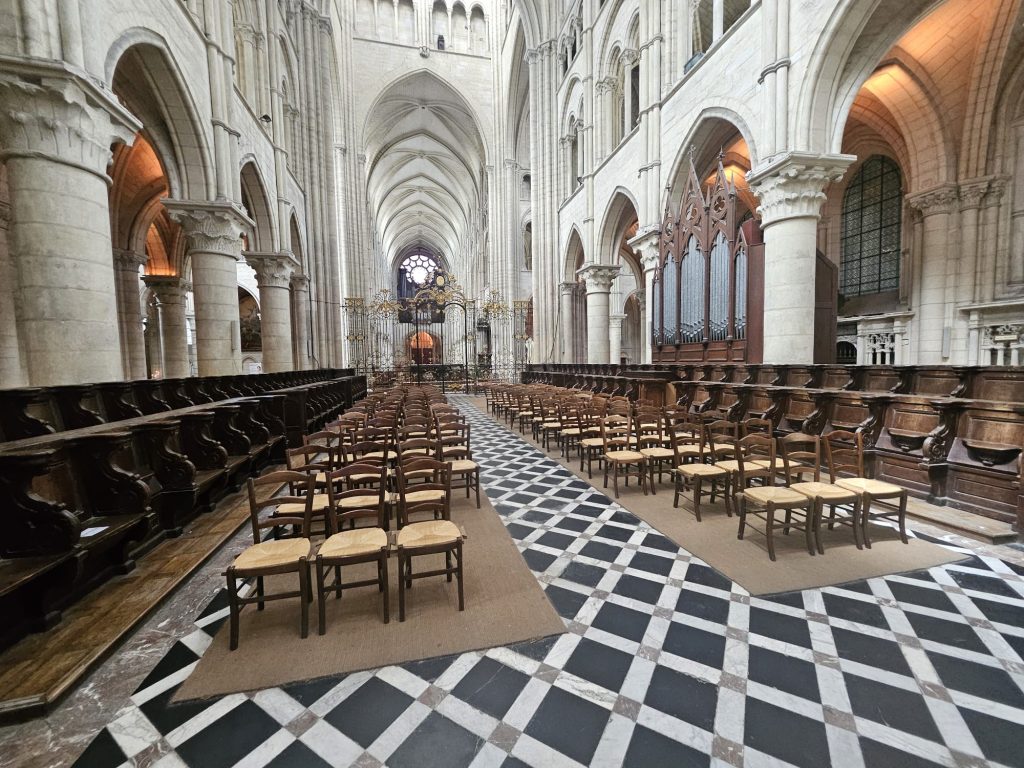
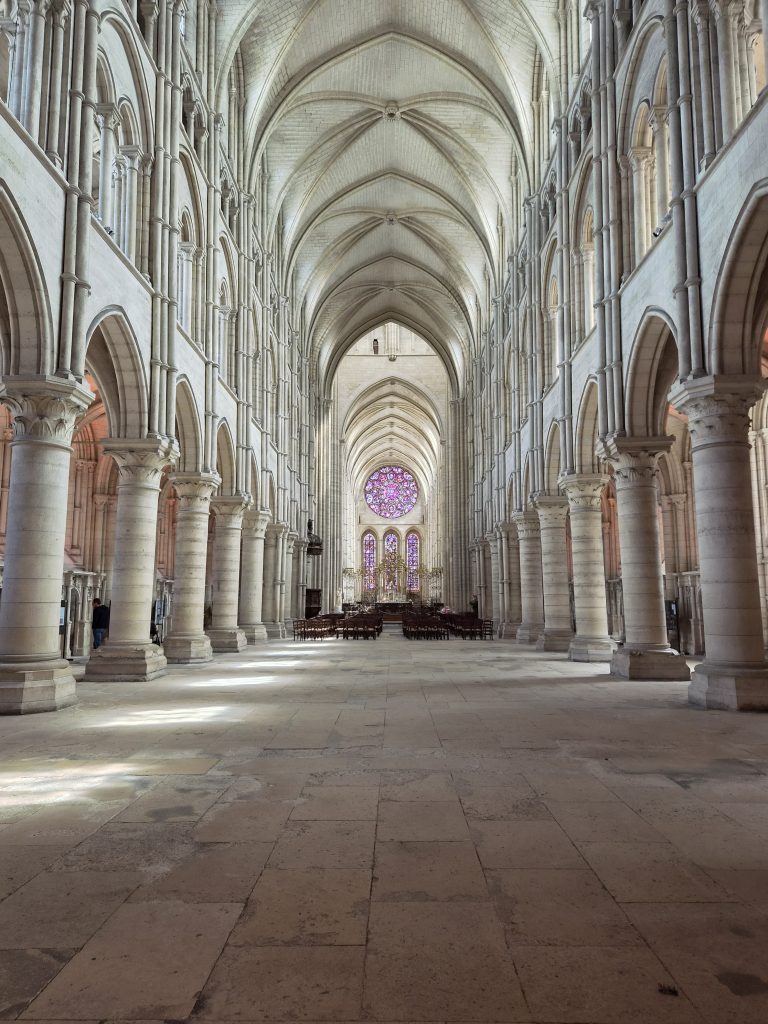
Looking up from the nave, the innovation becomes immediately obvious. Slender columns rise effortlessly into ribbed vaults that seem almost weightless. Great arcades stack upon galleries and clerestories, drawing the eye upward towards a ceiling that appears to float above the congregation.
Your photographs capture this perfectly.
The vast white stone surfaces are almost luminous. Light pours through the high windows and washes across the pale masonry, creating an interior that feels open, uplifting and remarkably modern despite being over eight centuries old. Even today, few buildings create such a sense of space with such economy of design.
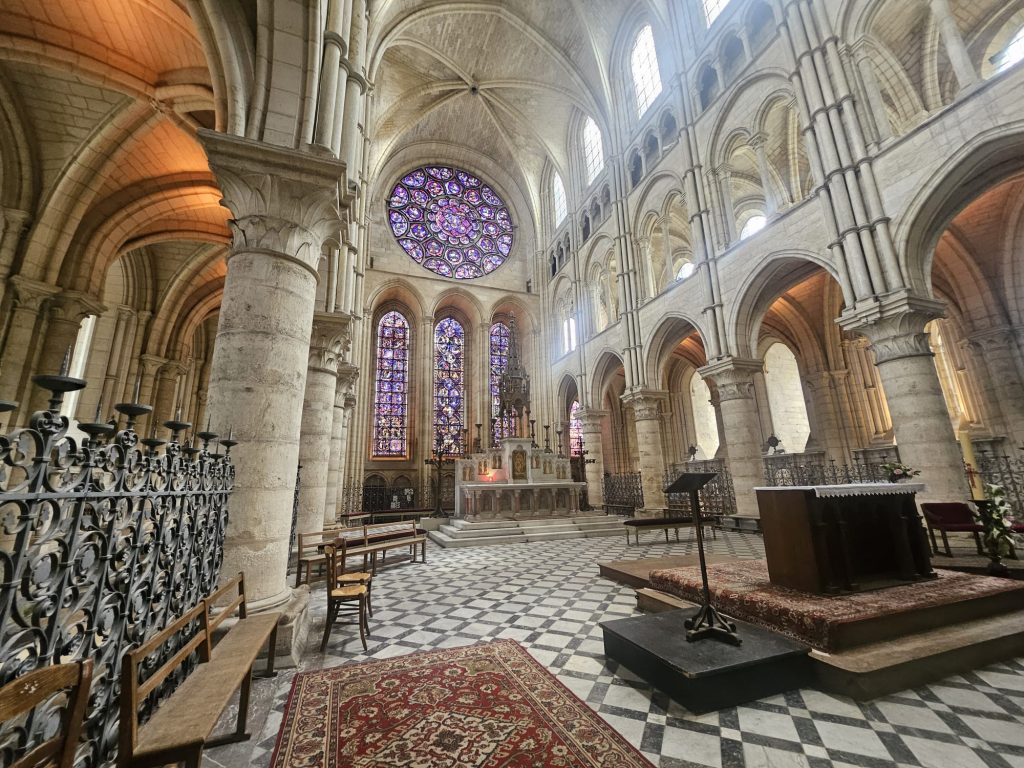
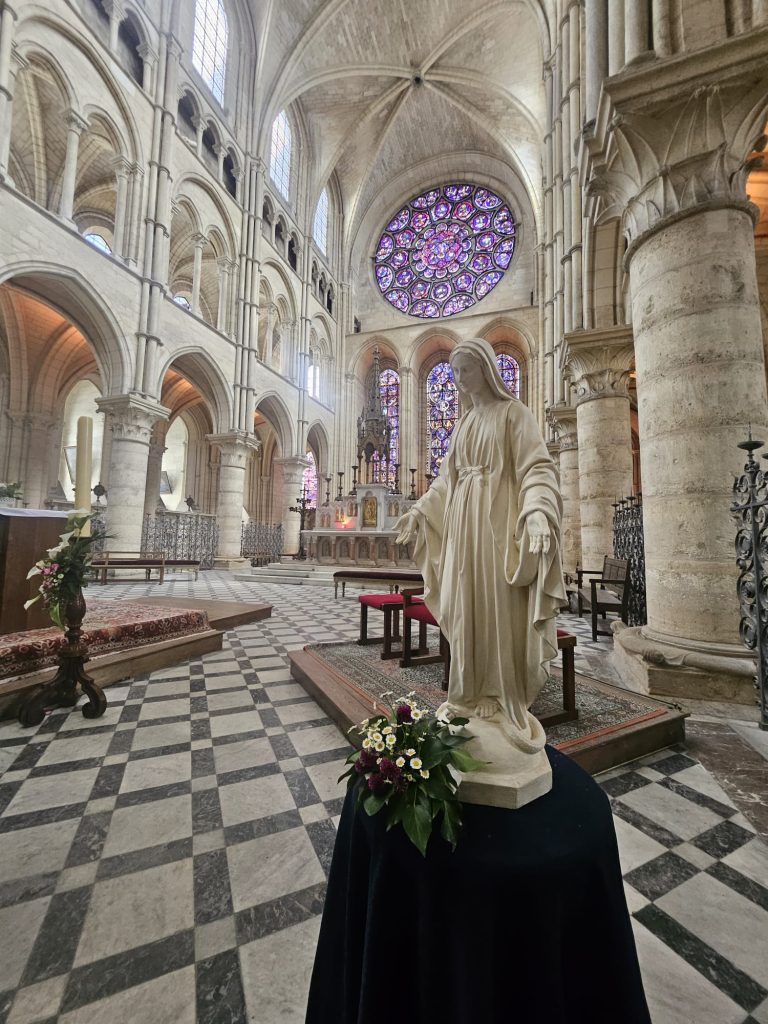
The great rose window dominates the eastern end like a jewel suspended in stone. Rather than disappearing into darkness as happens in many medieval churches, the stained glass here glows against an interior deliberately designed to maximise daylight. The colours dance across the otherwise restrained palette of cream limestone, creating moments of beauty without overwhelming the architecture itself.
In many ways, Laon feels closer to an architect’s vision than a cathedral layered with centuries of embellishment.
The columns are simple and purposeful.
The vaults are elegant and mathematical.
The walls have been stripped back to their essentials.
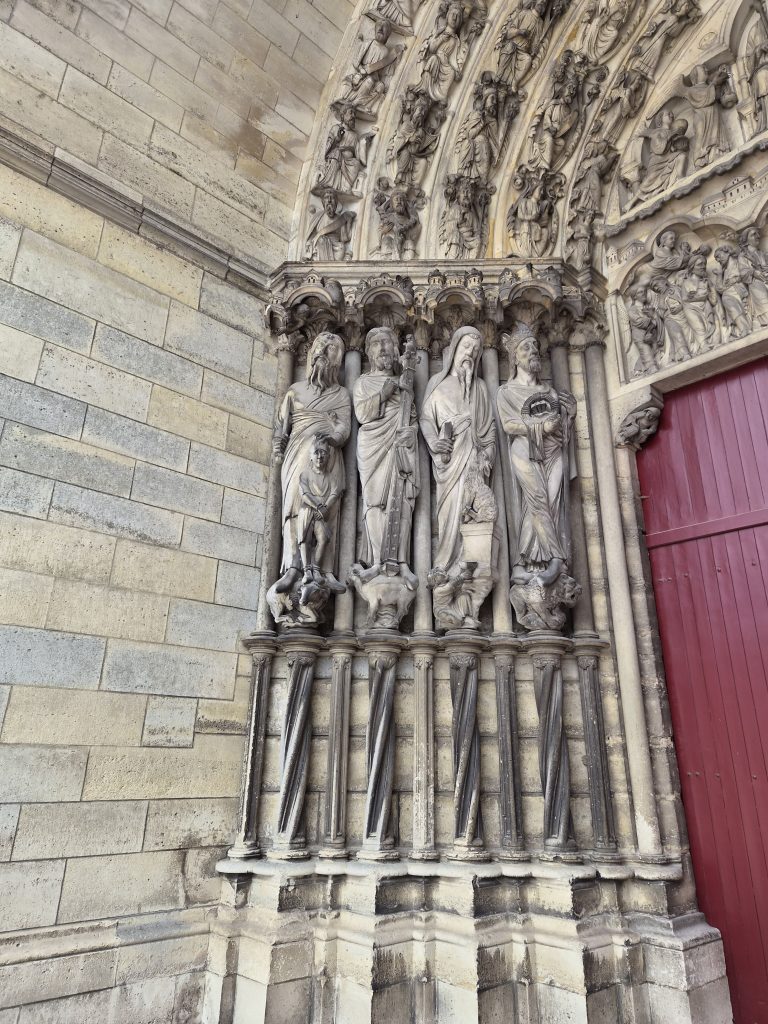
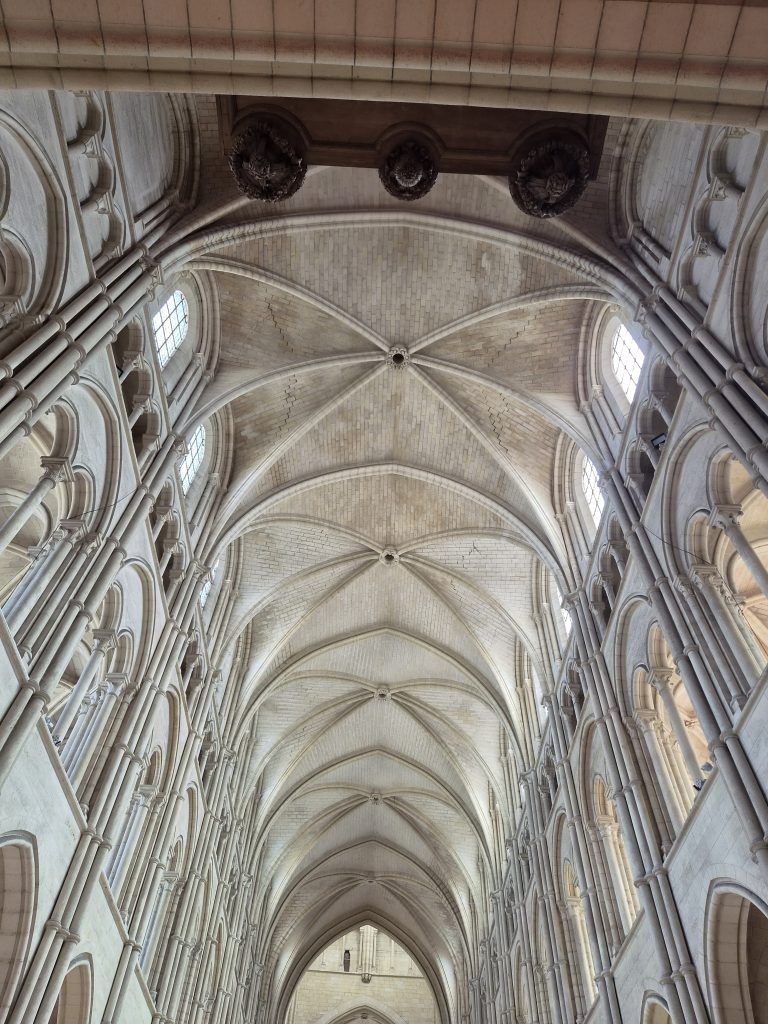
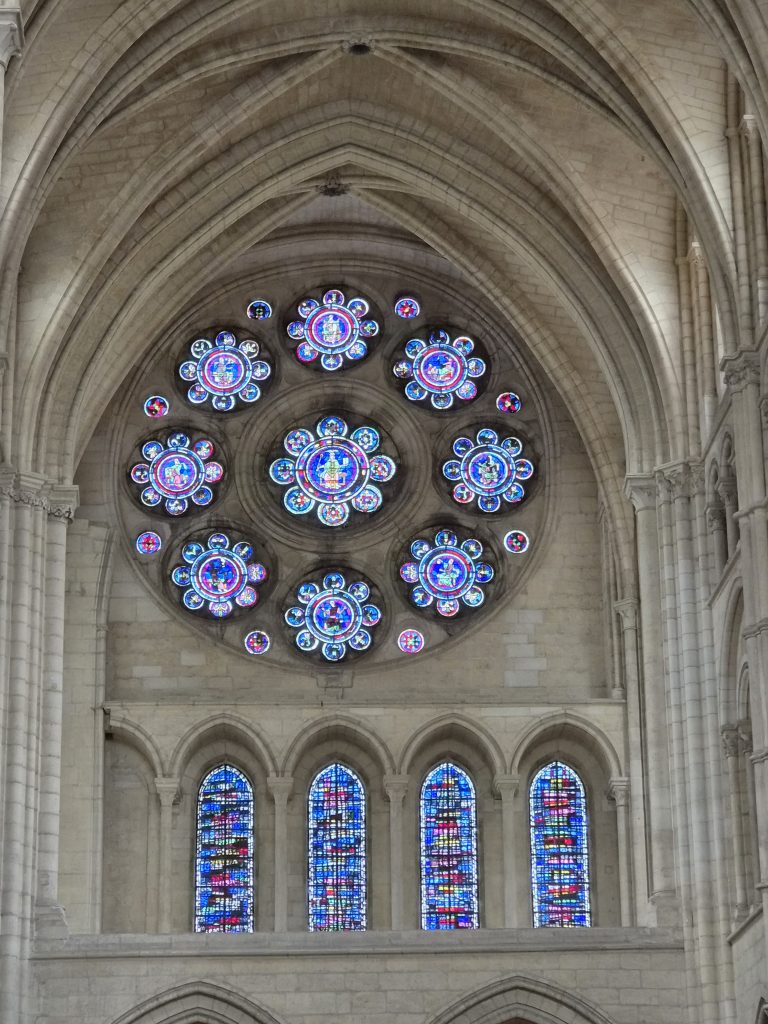
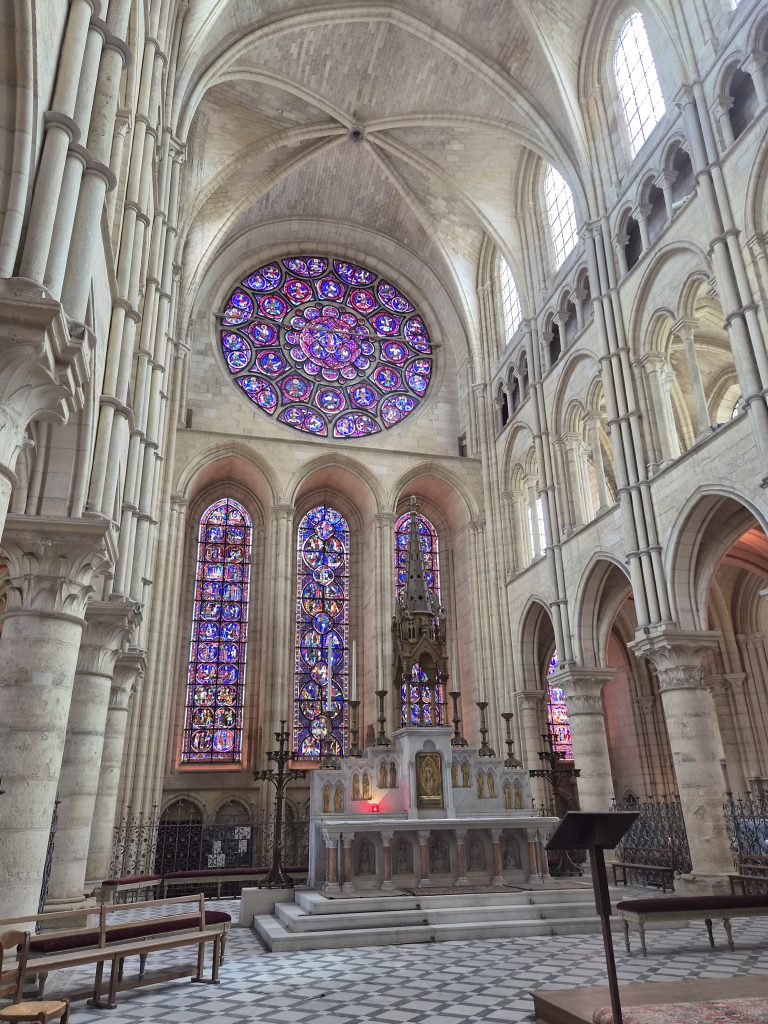
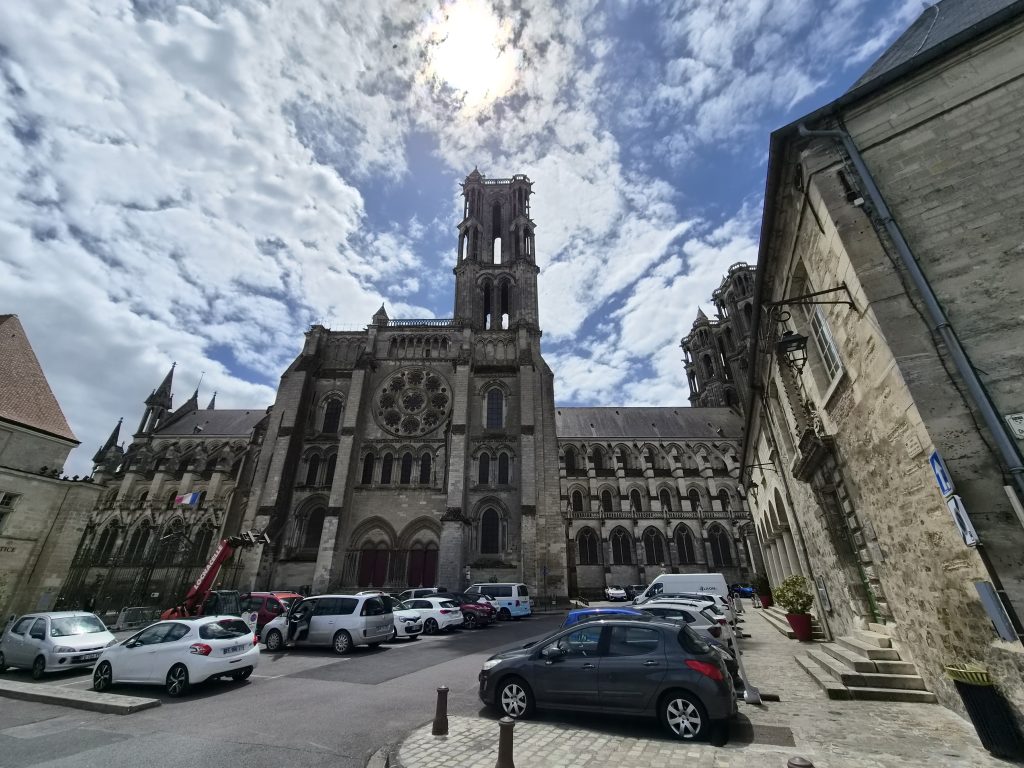
The result is an interior that feels almost skeletal, revealing the very structure that makes the building possible.
One photograph, looking directly down the nave, illustrates this perfectly. The repeating rhythm of pillars and arches stretches into the distance like a stone forest. There is a clarity here that later Gothic cathedrals would lose as decoration became increasingly elaborate. At Laon, structure and beauty remain inseparable.
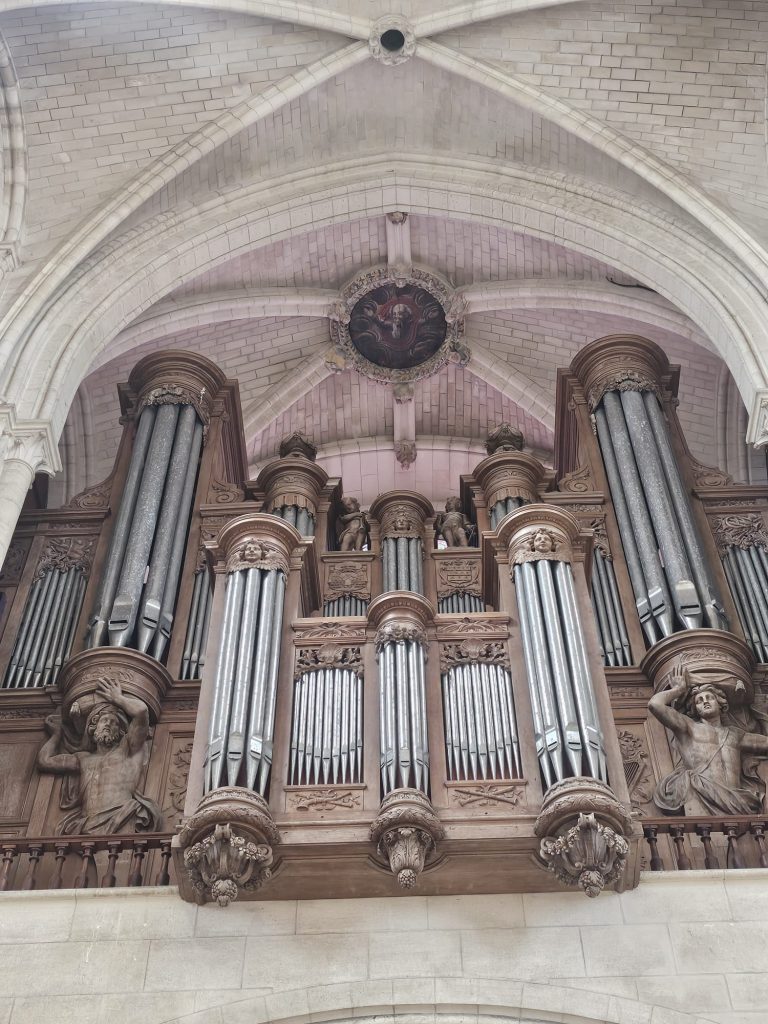
Even the furnishings seem secondary to the building itself. The statues, choir stalls, altars and iron screens are all impressive in their own right, yet the eye continually returns to the soaring architecture above. The cathedral is not trying to impress through wealth or ornament. It impresses through proportion, engineering and light.
Perhaps that is why Laon leaves such a lasting impression.
It is not the grandest cathedral in France.
It is not the most ornate.
It does not possess the overwhelming verticality of Amiens, the royal symbolism of Reims or the labyrinthine mystery of Chartres.
Instead, Laon offers something rarer.
It allows visitors to stand inside the very moment Gothic architecture came of age.
Here, one can see the confidence of medieval builders discovering that stone could be lighter, taller and brighter than anyone had previously imagined. Looking around the vast interior, illuminated by stained glass and framed by elegant vaults, it becomes clear that this is not simply a cathedral.
It is a prototype for the future.
A place where Europe first learned to build with light.