
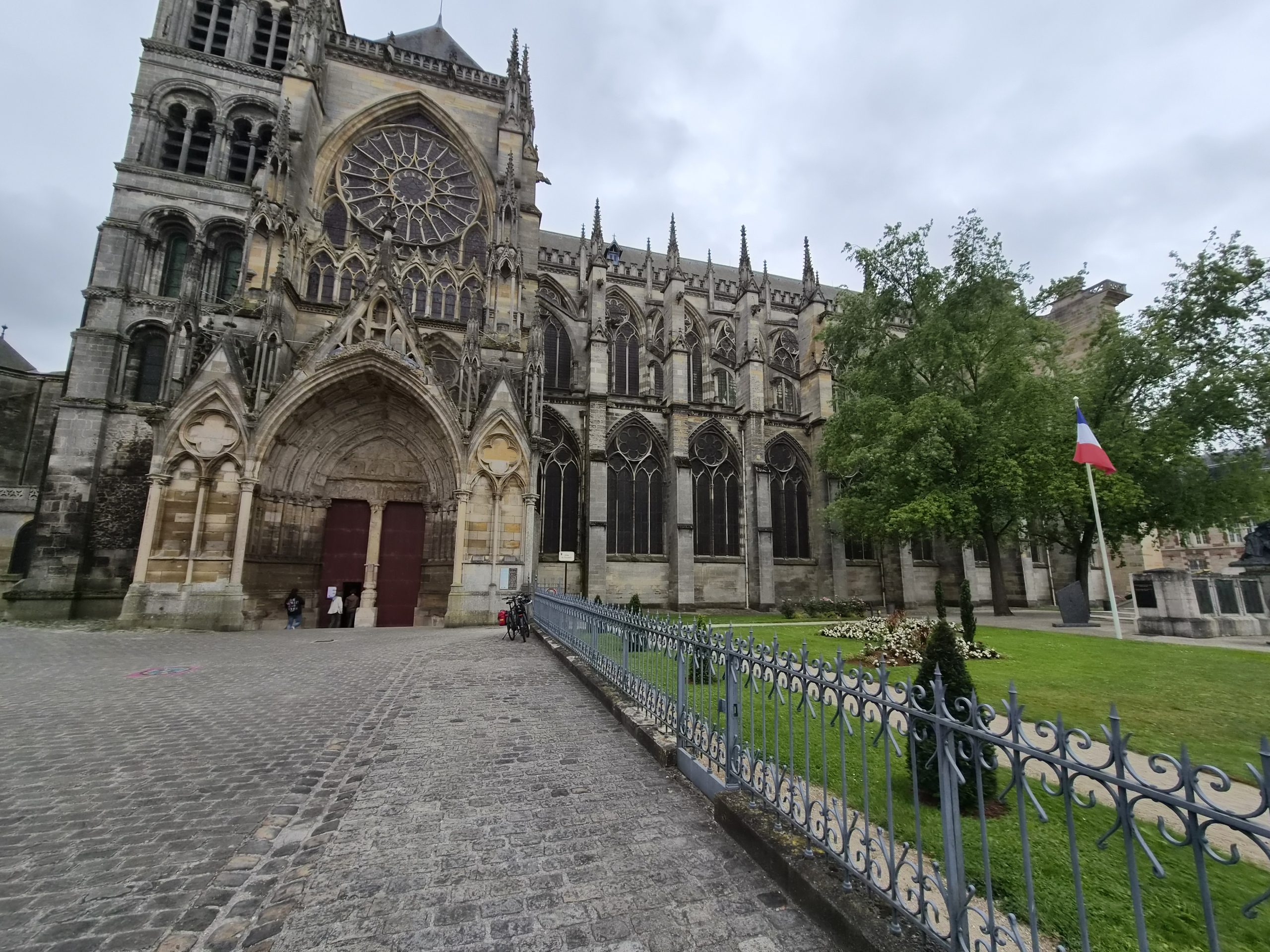
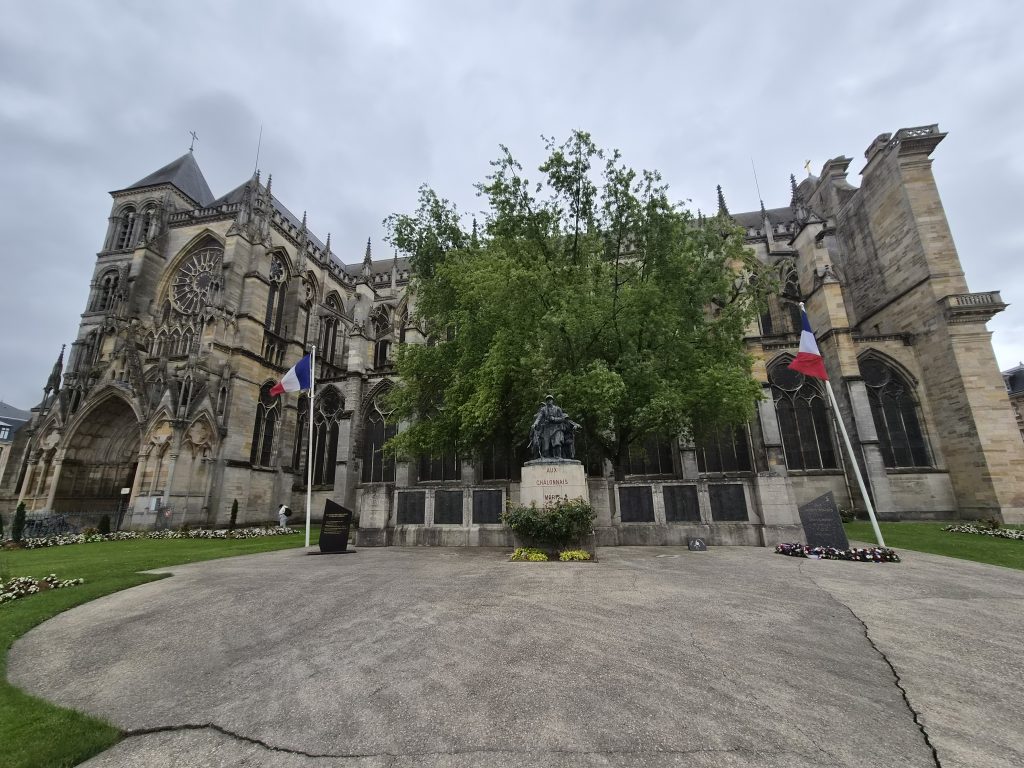
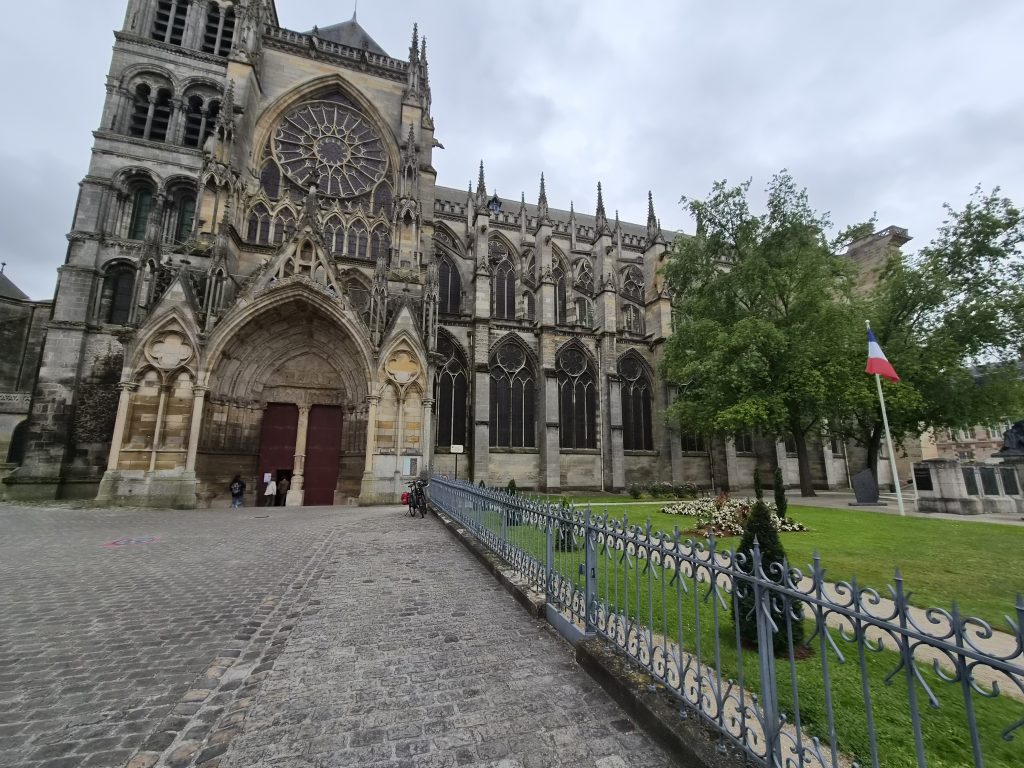
For many travellers crossing the Champagne region, Châlons-en-Champagne is often overshadowed by the great names of Reims and Épernay. Yet this historic city, once a powerful ecclesiastical centre and administrative heart of Champagne, possesses one of the most fascinating cathedrals in France. Rising above the quiet streets and waterways of the city, the Cathedral of Saint-Étienne stands not merely as a church, but as a story carved in stone—a testament to faith, wealth, ambition, and the revolutionary architectural ideas that transformed medieval Europe.
The Rise of Châlons-en-Champagne
The origins of Châlons stretch back to Roman Gaul. Known as Catalaunum, it occupied an important strategic position on trade routes linking northern Europe with the heart of France. The surrounding plains would witness some of history’s great struggles, including the famous Battle of the Catalaunian Fields in AD 451, where Roman and allied forces confronted Attila the Hun.
During the Middle Ages, Châlons flourished as one of the principal cities of Champagne. The region’s wealth came from agriculture, trade, and the famous Champagne fairs that connected merchants from England, Flanders, Italy, and beyond. As wealth flowed through the region, bishops gained influence and sought to display both their spiritual authority and the prosperity of their city through monumental building projects.
It was within this environment that the cathedral emerged.
Built Upon Ancient Foundations
Like many of France’s great cathedrals, Saint-Étienne was not the first church to occupy the site.
Beneath the present Gothic structure lay an earlier Romanesque cathedral. This earlier building, characterised by thick walls, rounded arches, small windows, and relatively dark interiors, reflected the architectural style dominant throughout Europe during the 10th and 11th centuries.
The Romanesque church served the city faithfully, but by the 12th century a revolution in architecture was sweeping northern France. Builders and bishops no longer wished to create fortress-like churches. Instead, they sought structures that appeared to reach towards heaven itself, filled with light and colour.
The old Romanesque cathedral was gradually replaced by the ambitious Gothic building visitors see today.
Rather than abandoning the site, medieval builders incorporated parts of the older structure and foundations into the new cathedral, physically linking the ancient church with the future. The result is a building that stands upon centuries of Christian worship.
The Gothic Revolution
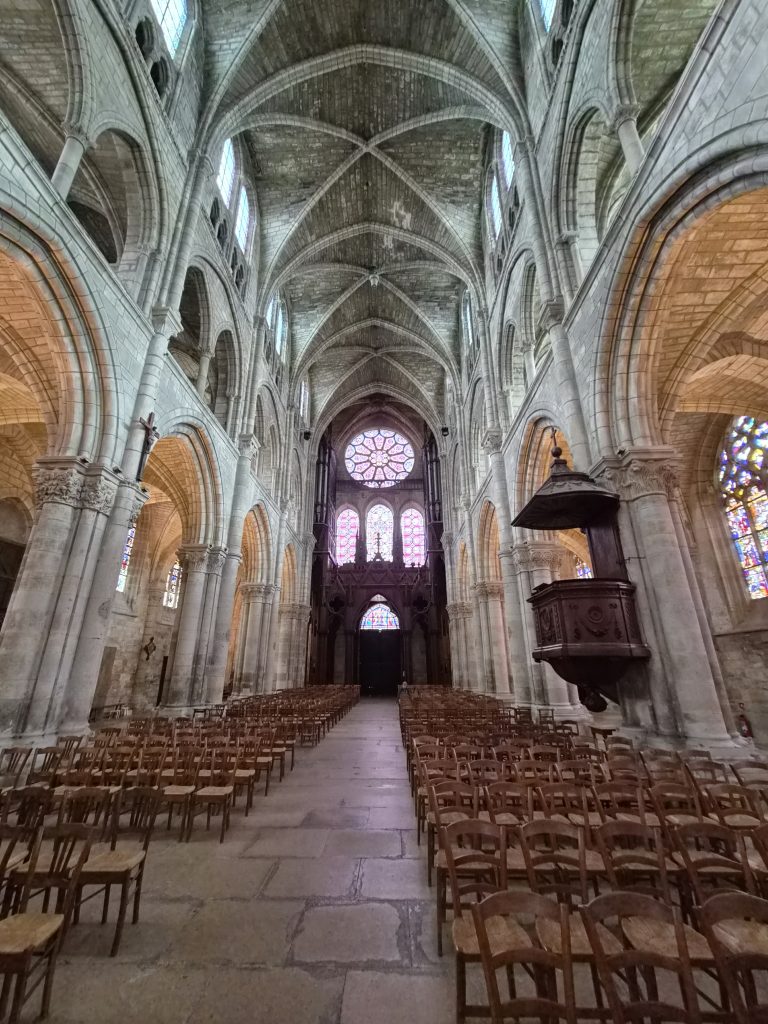
The Cathedral of Saint-Étienne was built during one of the most exciting periods in architectural history.
The Gothic style, pioneered in the Île-de-France around Paris and famously developed at Basilica of Saint-Denis under the influence of Abbot Suger, transformed church design forever.
The Gothic builders introduced three innovations:
- The pointed arch
- The ribbed vault
- The flying buttress
These innovations changed everything.
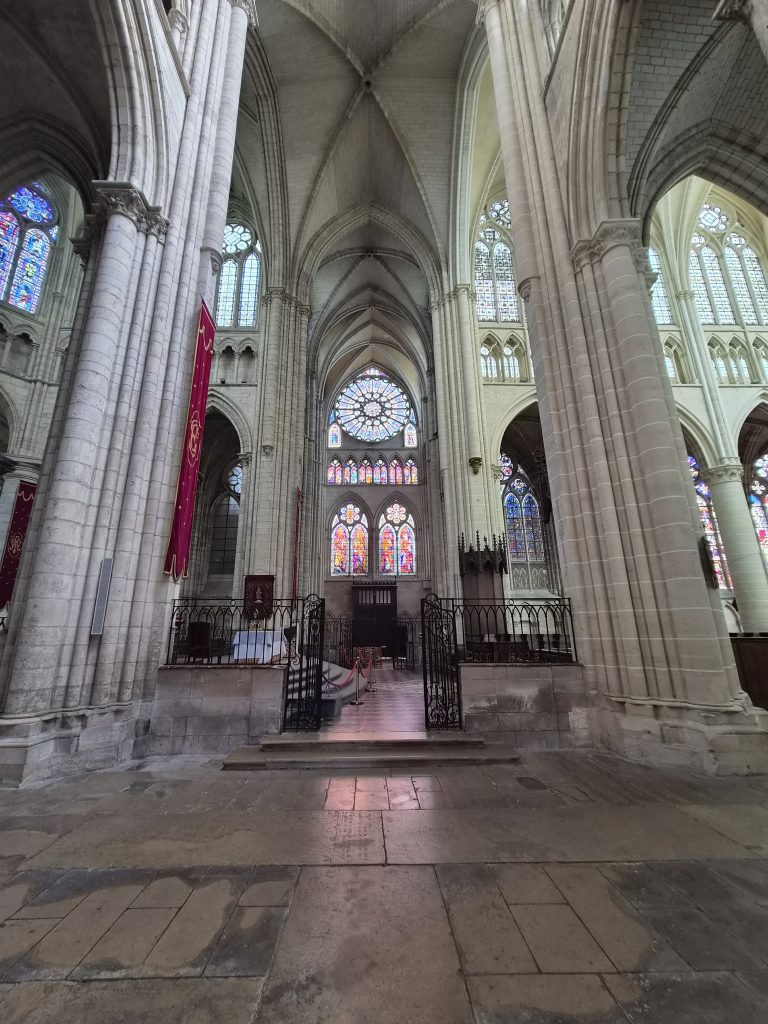
Romanesque builders relied on thick walls to support heavy stone roofs. Gothic builders shifted the weight outward through a skeleton of stone ribs and external buttresses.
Walls were no longer required to carry the entire load.
The consequence was revolutionary.
Walls could become thinner.
Buildings could become taller.
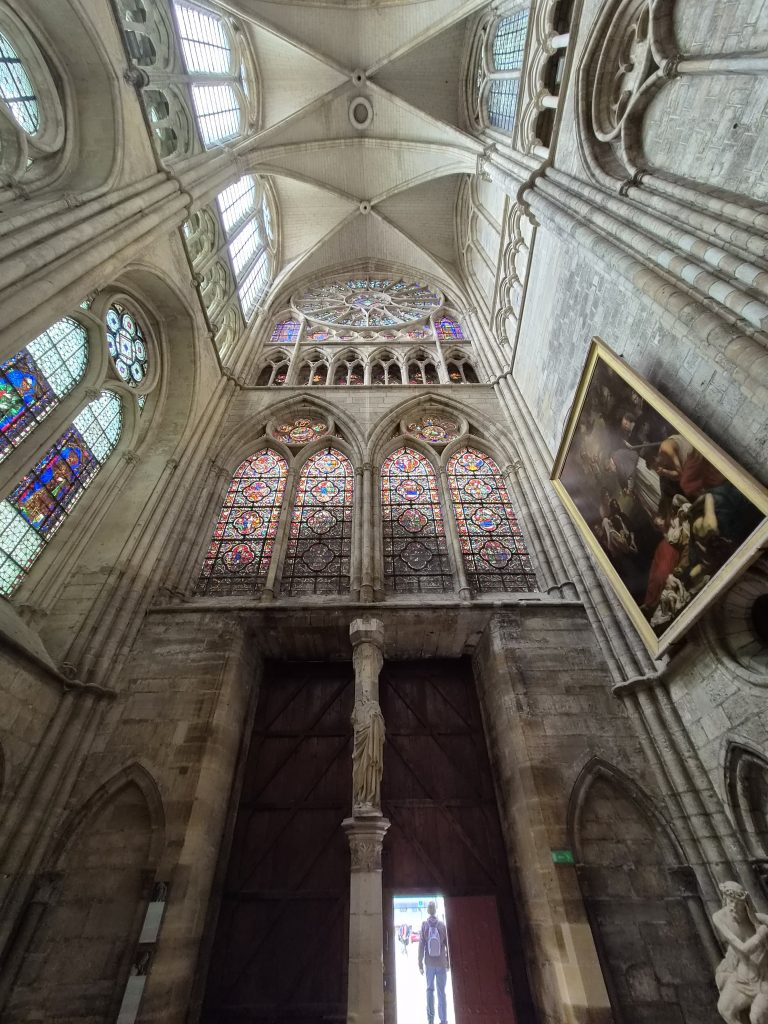
Most importantly, vast sections of masonry could be replaced with glass.
A Cathedral of Light
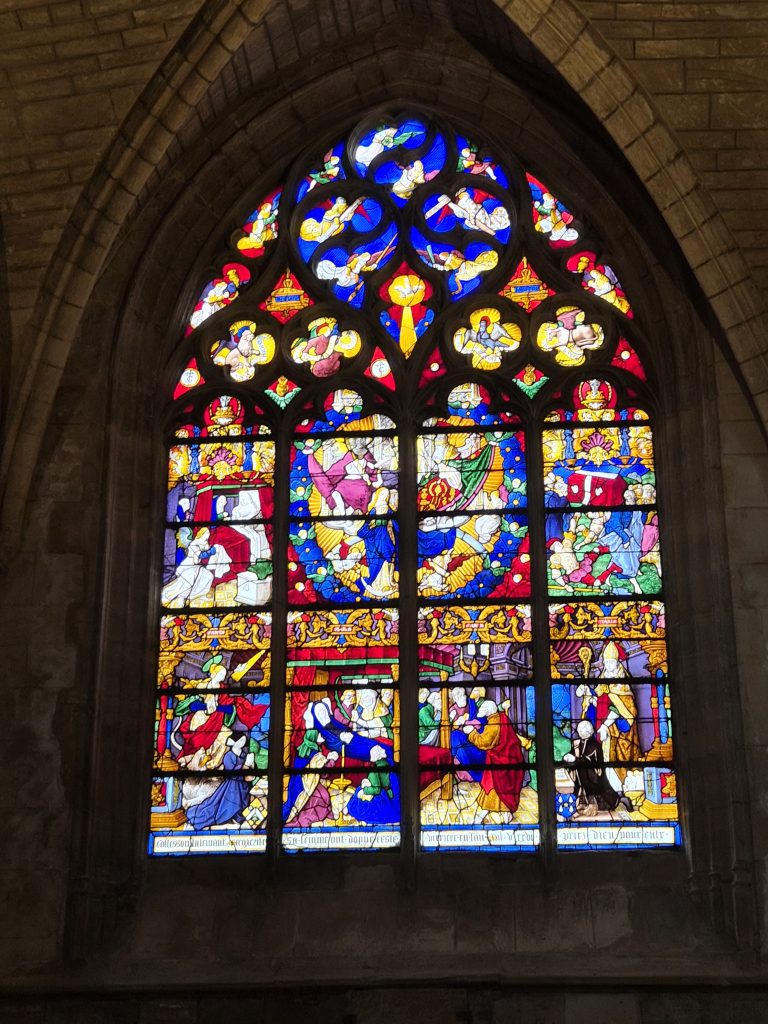
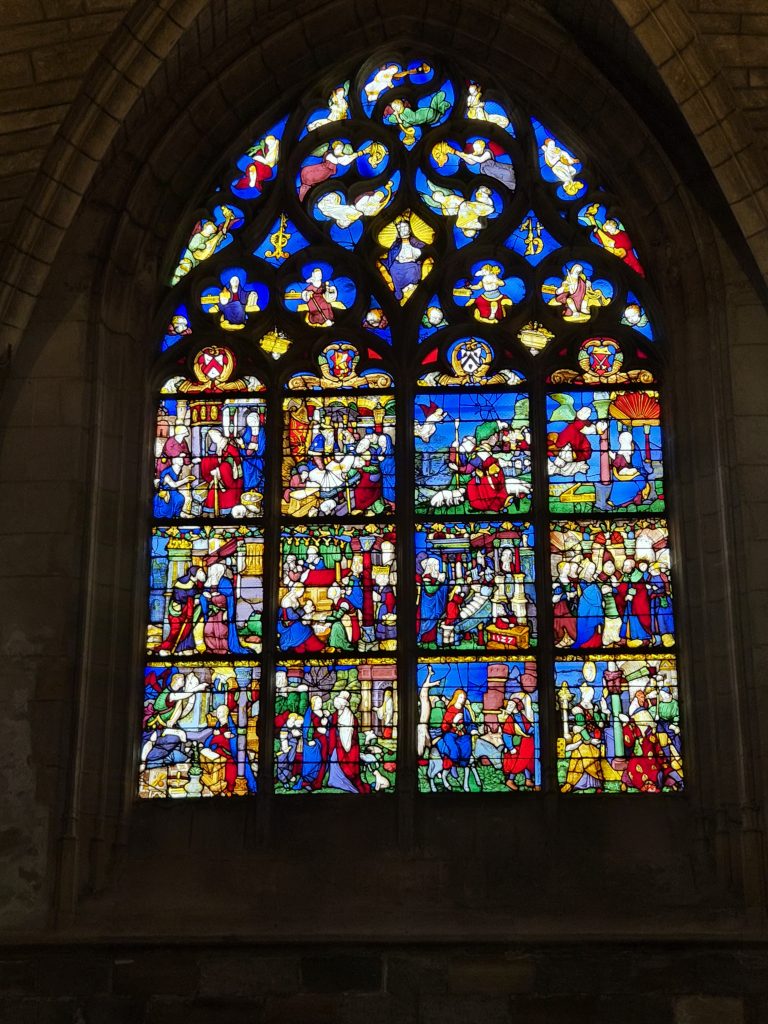
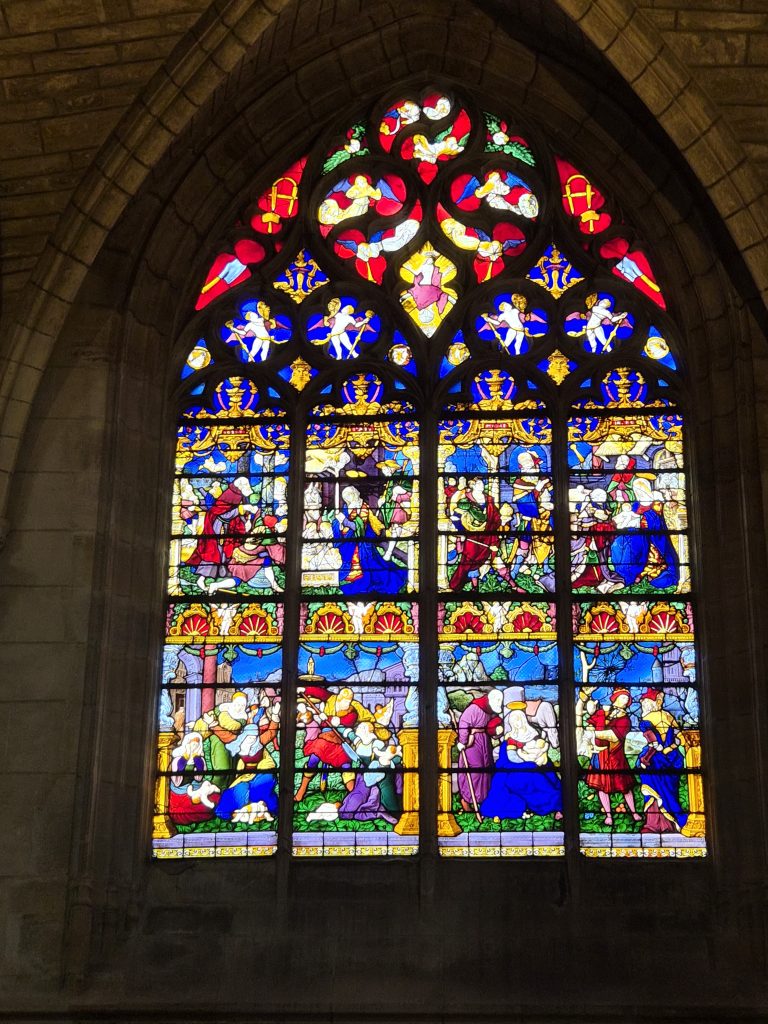
The true glory of Châlons Cathedral is its extraordinary stained glass.
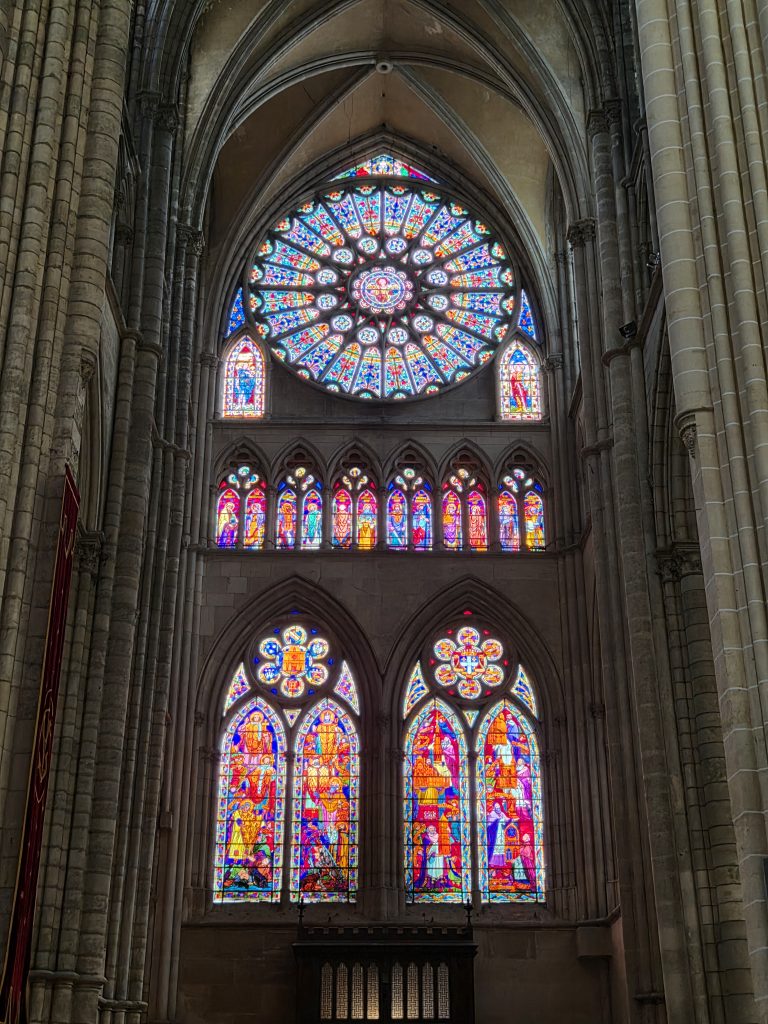
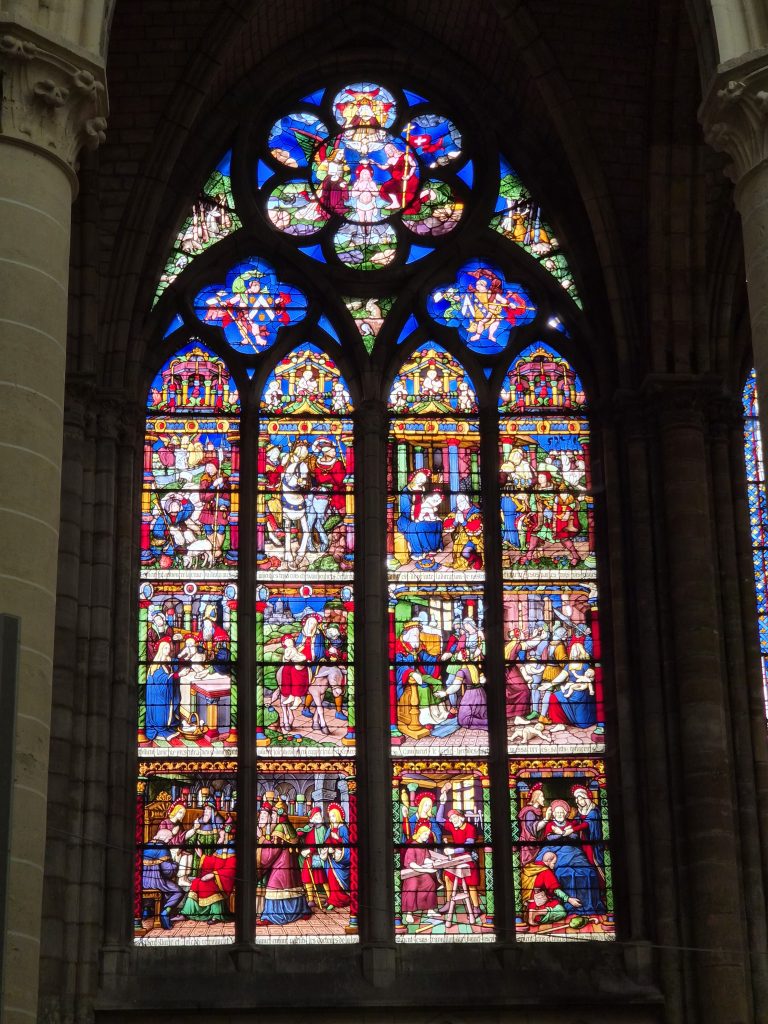
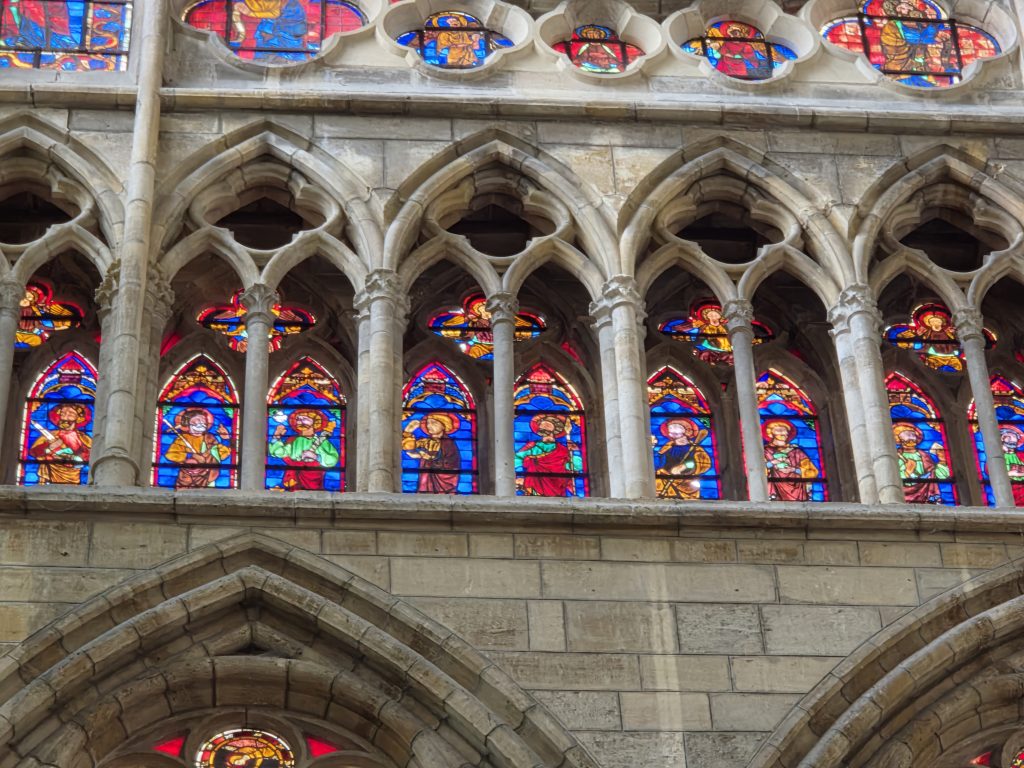
When entering the building, visitors are immediately struck by the abundance of light. Unlike many earlier churches, where interiors could feel sombre and enclosed, Saint-Étienne appears luminous.
This was precisely the intention.
Medieval theologians believed divine light represented the presence of God. To stand within a cathedral bathed in coloured light was to experience a glimpse of heaven on earth.
The Gothic innovations made this possible.
Flying buttresses outside the building absorbed the enormous outward thrust of the vaults. Because these buttresses carried the structural load, the walls themselves became little more than stone frameworks supporting immense windows.
As a result, Saint-Étienne possesses one of the largest collections of stained glass in the region.
Across the nave, choir, transepts, and chapels, windows tell stories from scripture, depict saints, illustrate biblical narratives, and commemorate donors who funded their creation.
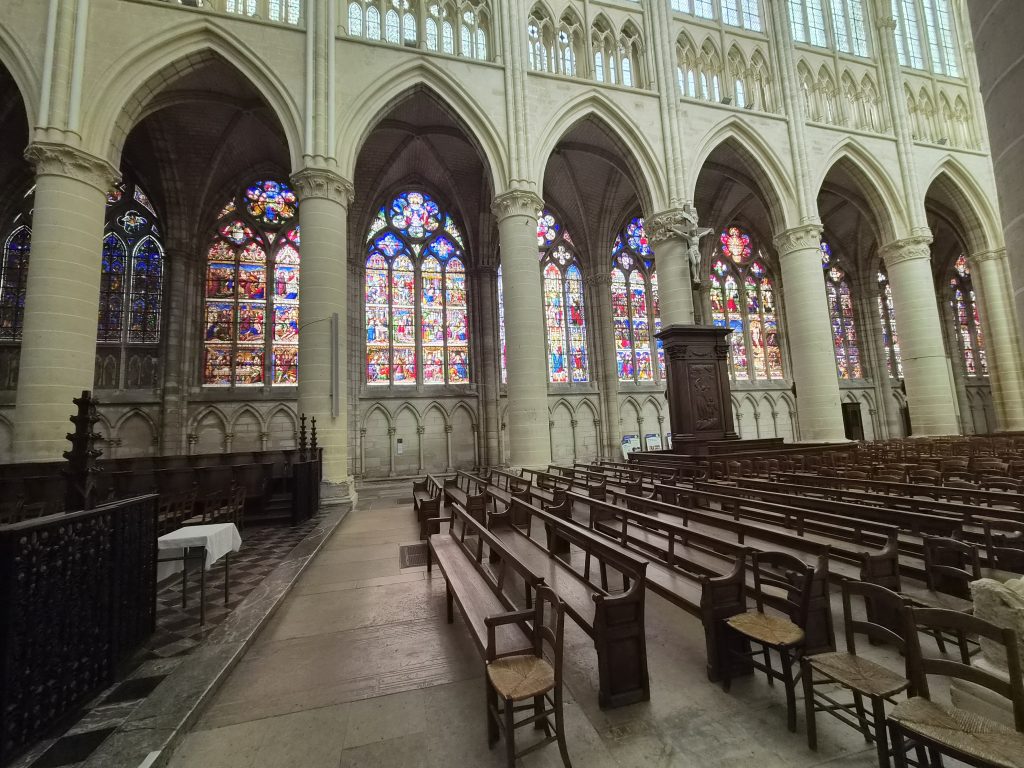
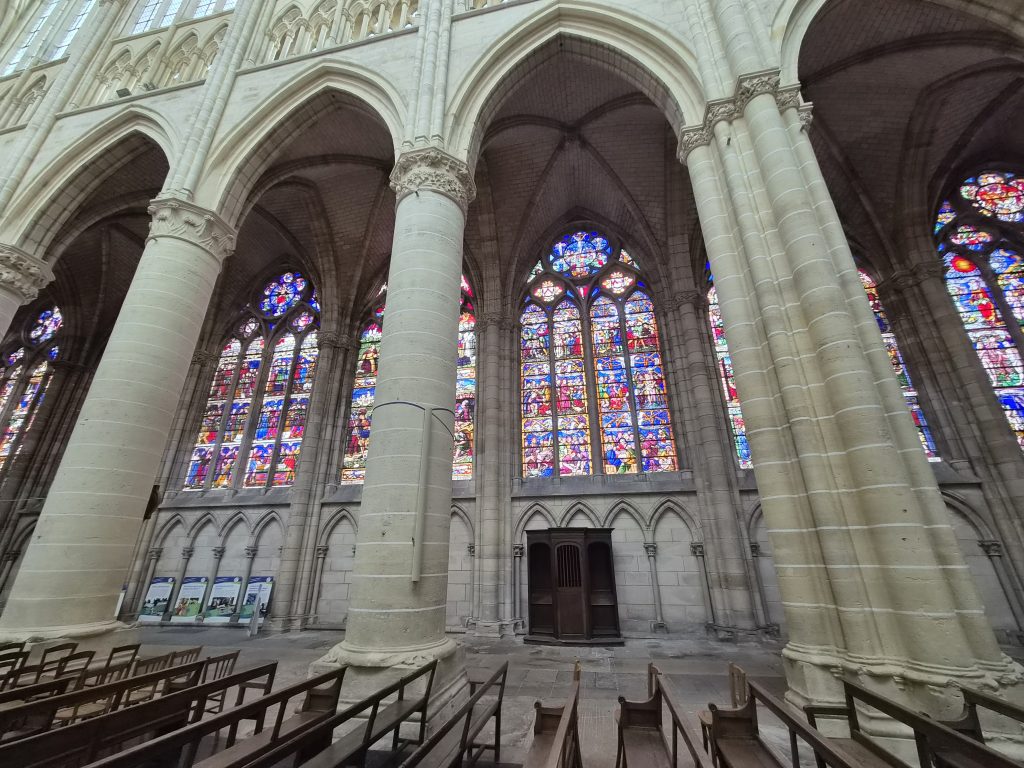
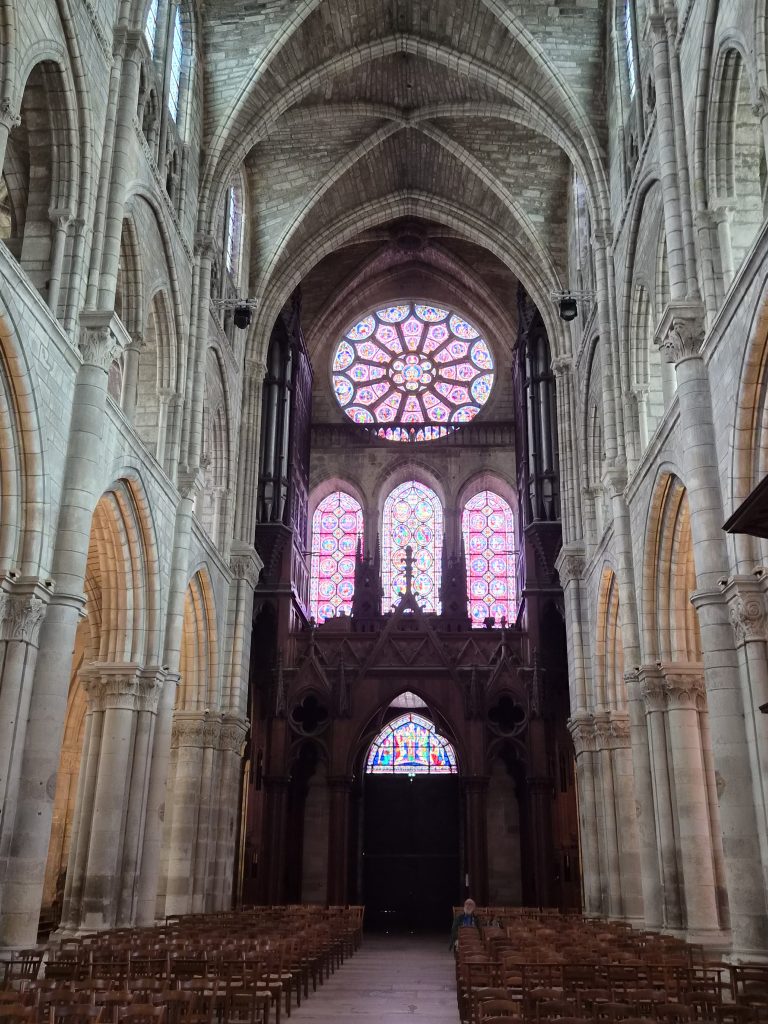
The effect changes throughout the day.
Morning sunlight streams through eastern windows in brilliant shades of blue and gold.
Afternoon light ignites reds and purples across the nave.
As evening approaches, the cathedral glows softly as though the stone itself has absorbed centuries of prayer.
The stained glass is not merely decoration.
For medieval worshippers, many of whom could not read, these windows served as a vast visual Bible. Every panel taught lessons of faith, morality, sacrifice, and redemption.
The cathedral became a book written in light.
Height, Space and Majesty
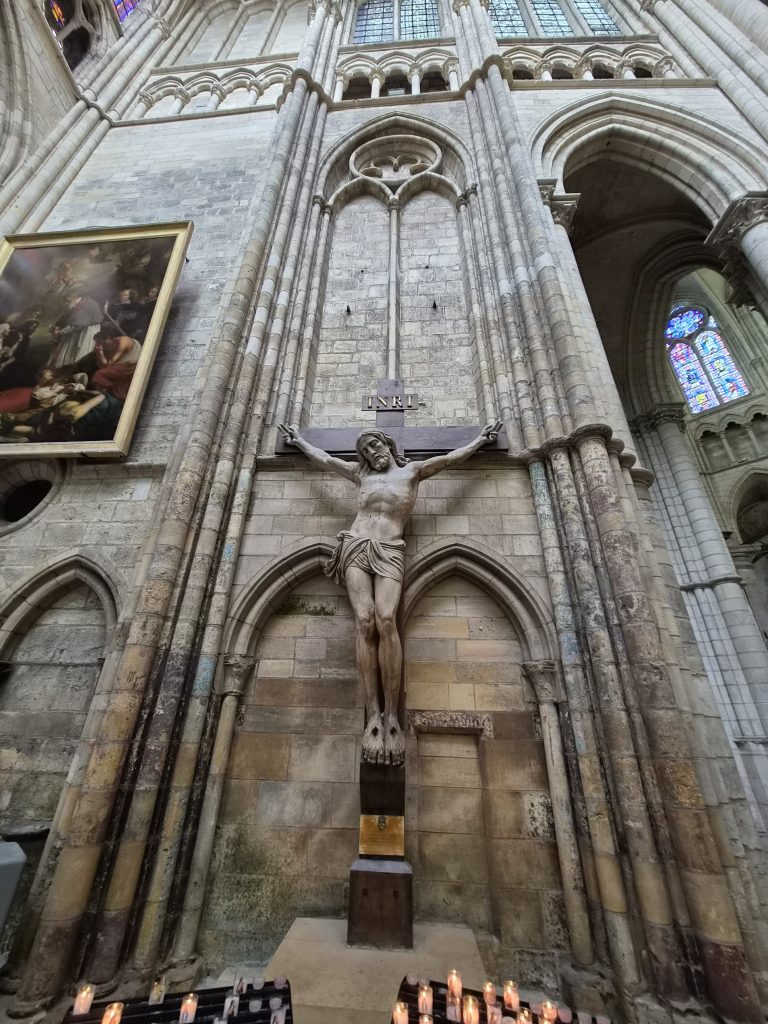
The cathedral’s soaring verticality demonstrates another key ambition of Gothic architecture.
Where Romanesque churches tended to emphasise solidity and protection, Gothic cathedrals sought transcendence.
Columns rise effortlessly upwards.
Vaults disappear into shadow high above.
The eye is continually drawn heavenward.
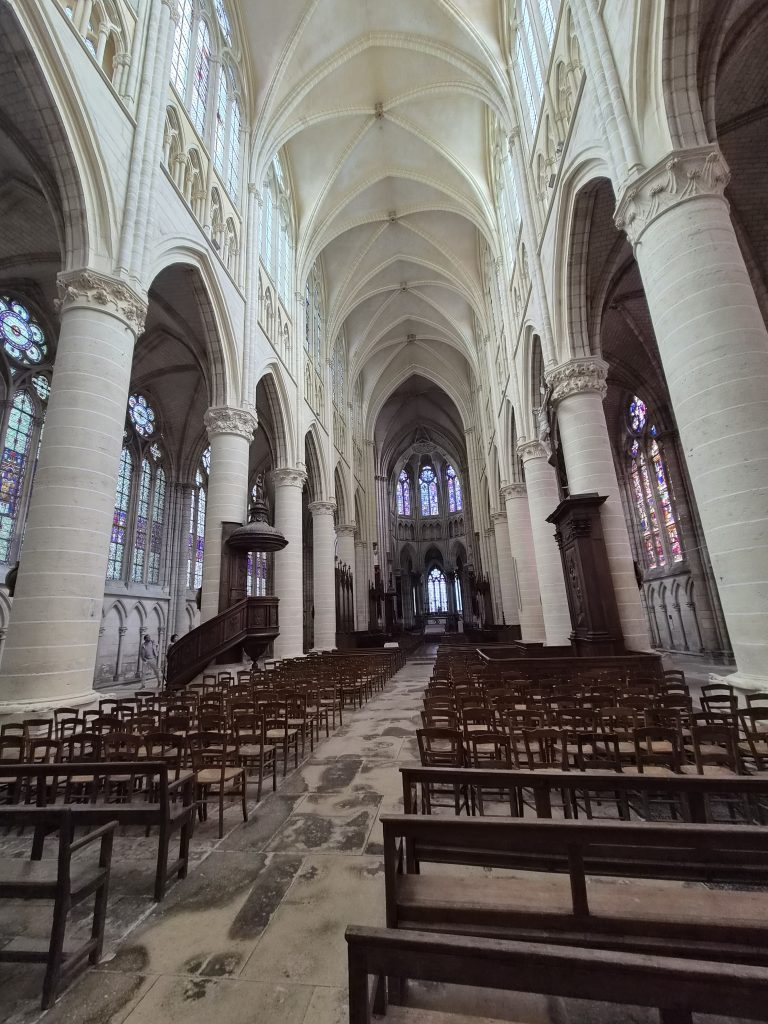
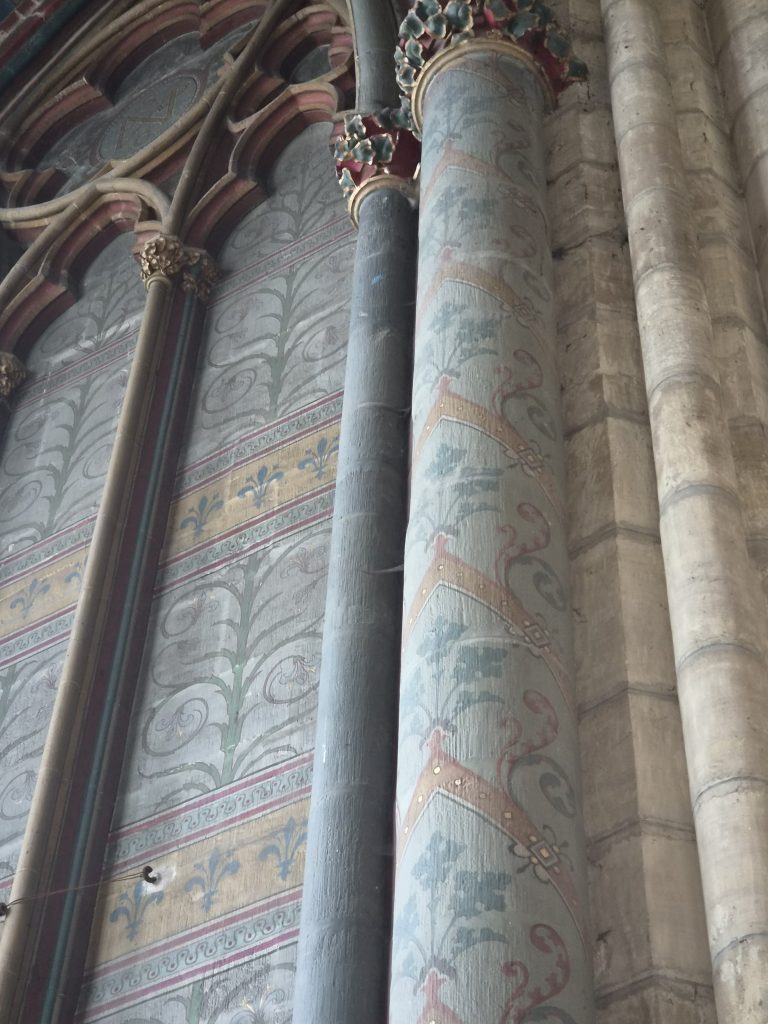
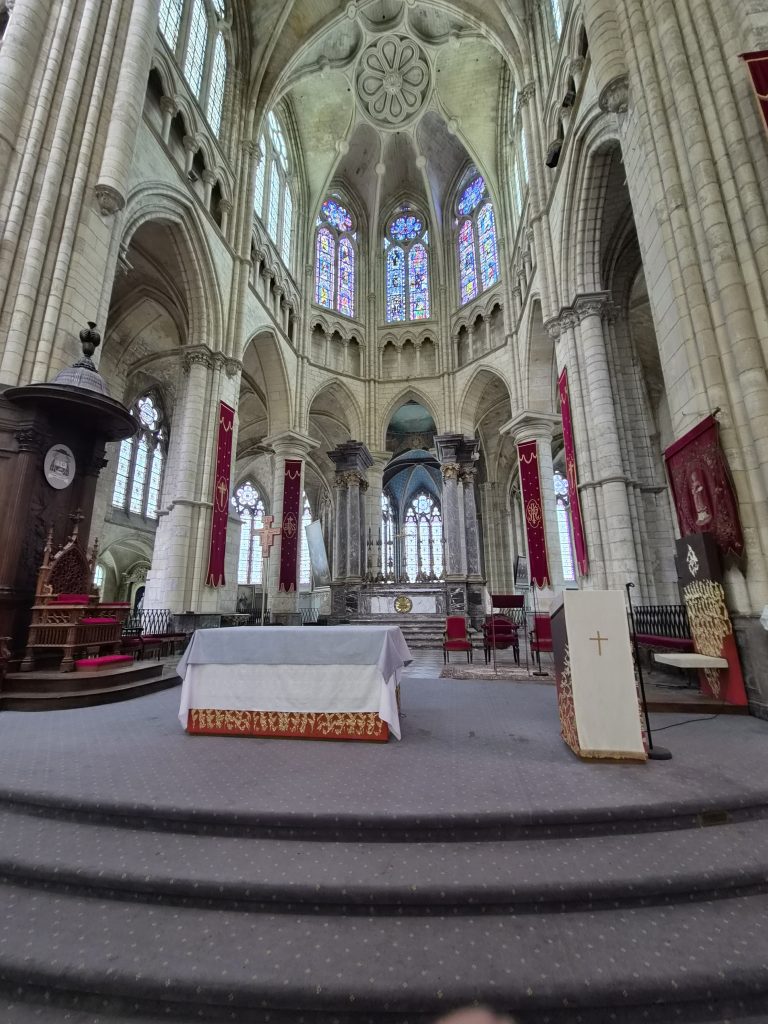
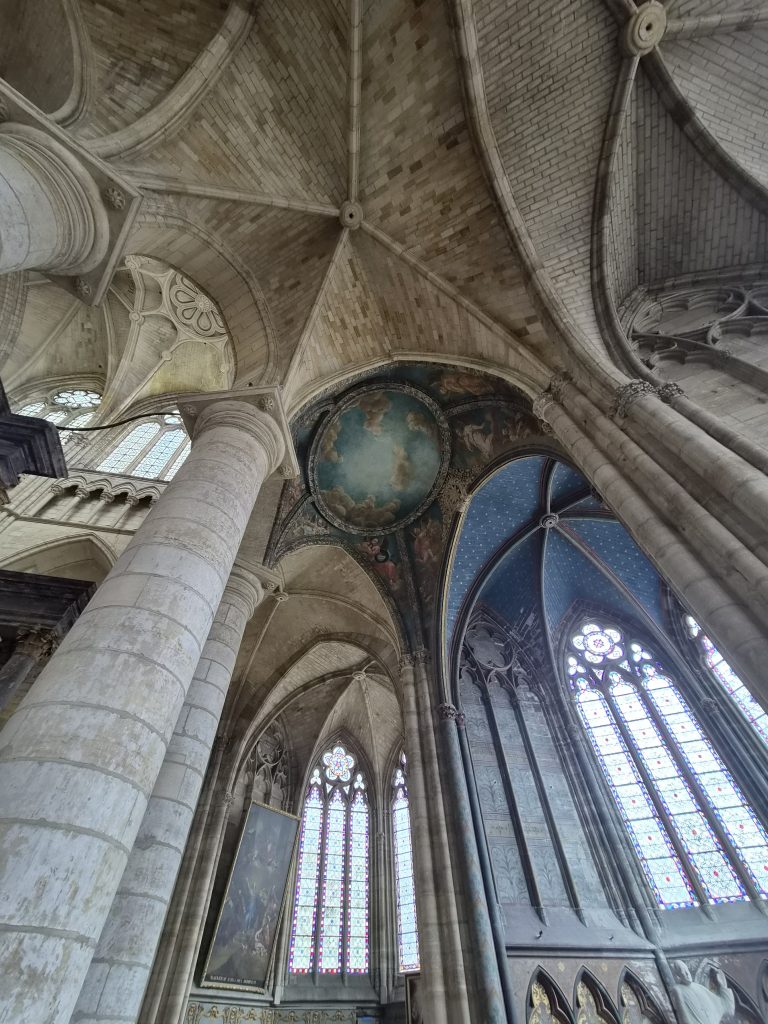
This sense of height was deliberate. Medieval builders wanted worshippers to feel physically small beneath the vast vaults, reinforcing the majesty of God and the power of the Church.
Yet despite its scale, Saint-Étienne never feels oppressive.
The abundant light softens the stone and creates a sense of openness rarely achieved in earlier architecture.
Surviving the Centuries
Like much of Champagne, Châlons has witnessed conflict, revolution, and destruction.
Wars passed repeatedly through the region.
The French Revolution altered religious life and damaged many ecclesiastical treasures.
The First and Second World Wars scarred Champagne deeply.
Yet Saint-Étienne endured.
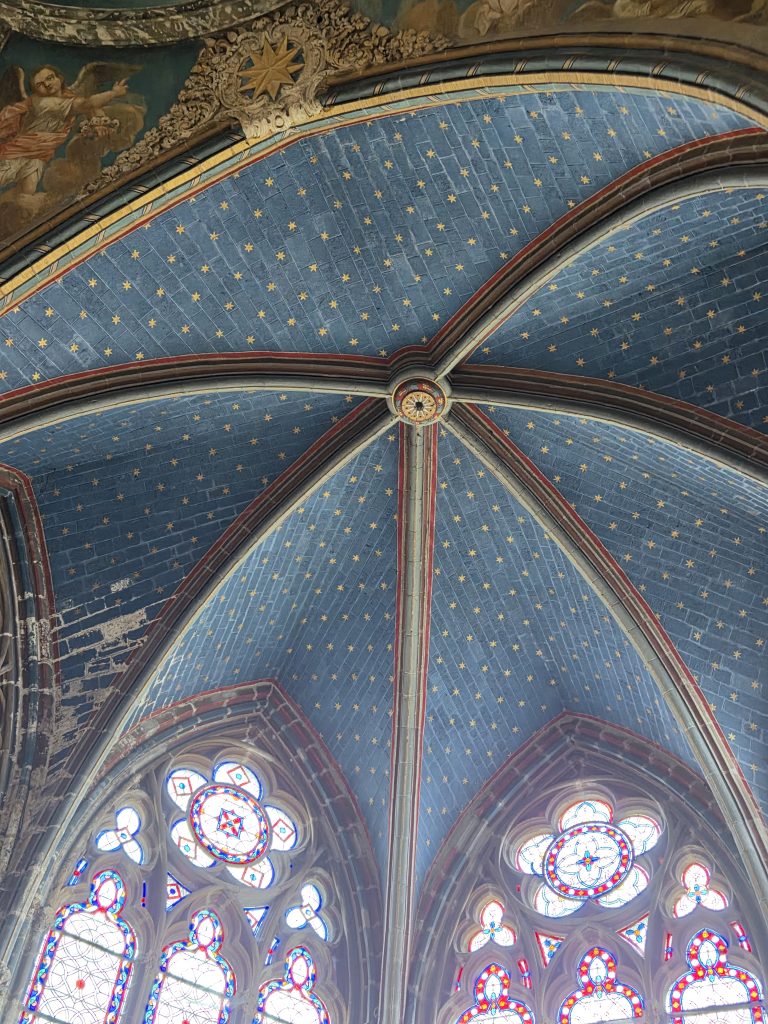
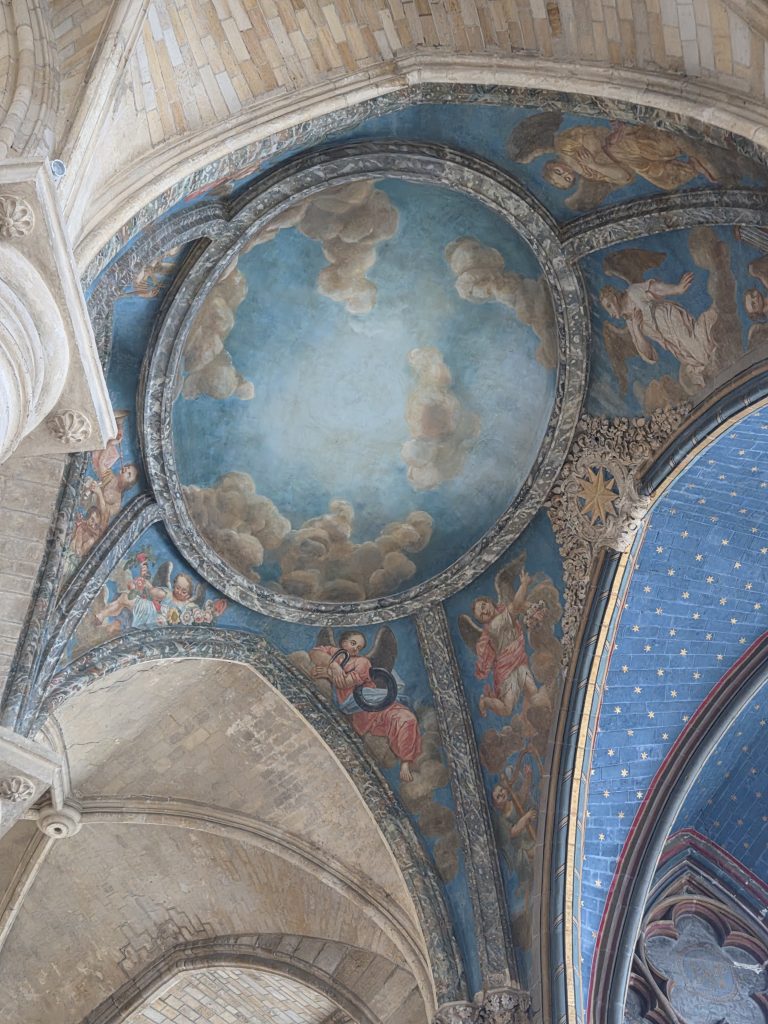
Restorations throughout the nineteenth and twentieth centuries preserved both the structure and its precious glass, ensuring future generations could continue to experience the cathedral much as medieval pilgrims once did.
The Cathedral Today
Today, the Cathedral of Saint-Étienne remains one of Champagne’s most underappreciated masterpieces.
Unlike the great coronation cathedral of Notre-Dame de Reims, it rarely dominates travel itineraries. Yet this relative obscurity allows visitors to appreciate its beauty in peace.
Its story is the story of medieval Europe itself.
A Roman settlement becomes a thriving medieval city.
A Romanesque church gives way to Gothic ambition.
Stone walls surrender to glass.
Darkness yields to light.
Standing beneath its vaults, surrounded by thousands of pieces of coloured glass and centuries of craftsmanship, one sees not merely a cathedral but the physical expression of an age that sought to bring heaven down to earth through architecture.
Saint-Étienne of Châlons-en-Champagne remains one of the finest examples of how the Gothic revolution transformed the medieval world—replacing heavy walls with luminous windows and creating a building where faith, engineering, and art combine in perfect harmony.