
There is a moment, somewhere on the quiet roads south of Normandy, where you realise you are leaving one world behind and entering another.
It does not announce itself loudly. There is no grand gateway, no sudden shift. Instead, it reveals itself slowly—subtly—through the land.
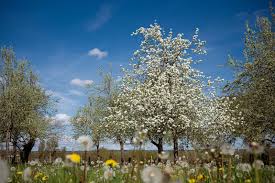
The orchards begin to thin.
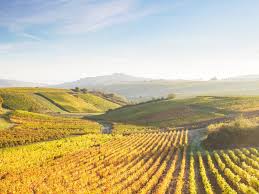
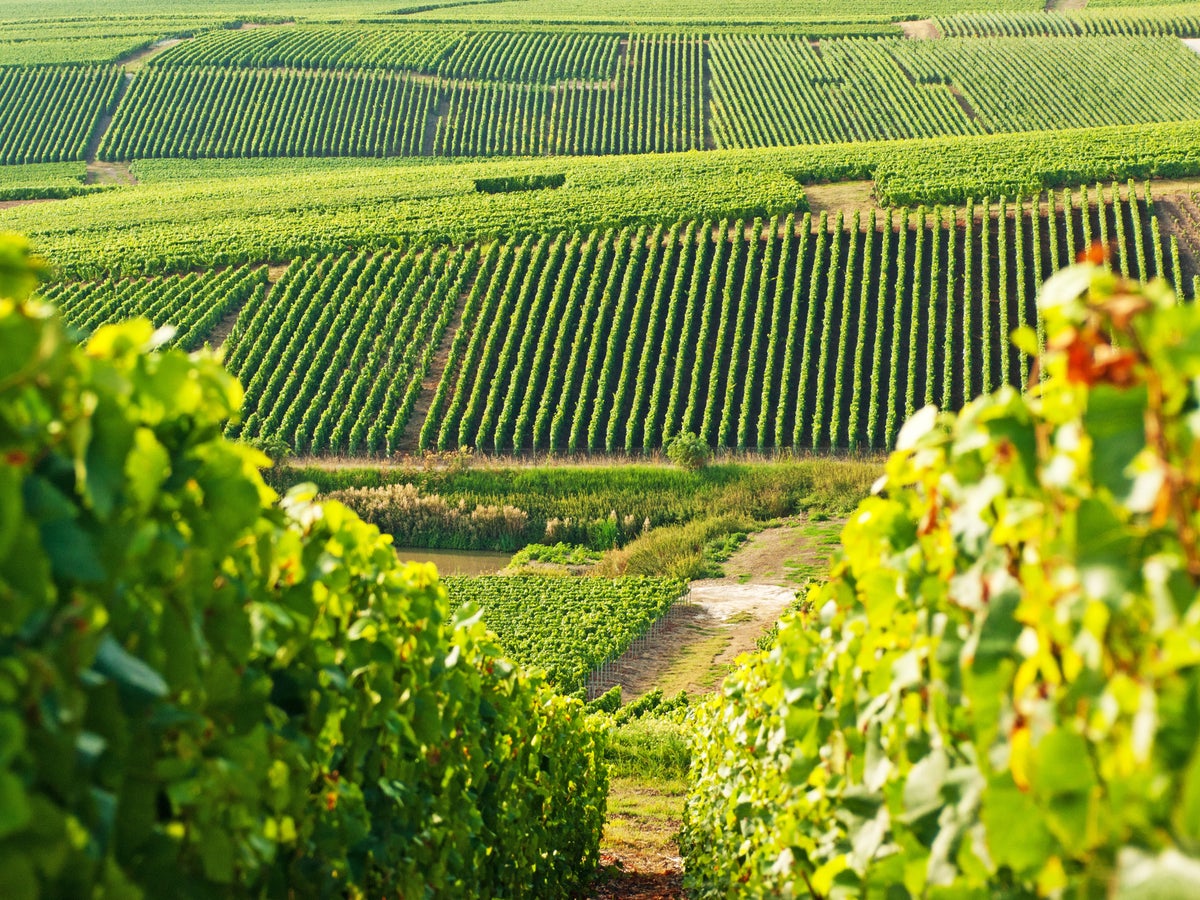
Those proud, low-branching apple trees—heavy with fruit, rich with the promise of cider and centuries of cultivation—start to fade into memory. Their place is taken, almost ceremoniously, by the ordered precision of vineyards. Rows upon rows, stretching across the contours of the earth, disciplined yet alive, as though the land itself has chosen a new identity.
4
This is the threshold of Pays de la Loire—a region that does not simply change the scenery, but reshapes the entire character of the journey.
Here, the land breathes differently.
And then, almost without warning, it appears.
The Loire River.
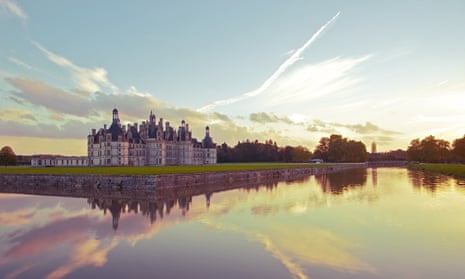
Not a river in the gentle sense you might expect from the north, but something broader, more commanding—vast, sweeping, alive with movement. It dominates the landscape with quiet authority, its surface catching the light like sheets of hammered silver, shifting and glinting beneath an ever-changing sky.
It is not merely a feature of the land.
It is the spine of it.

4
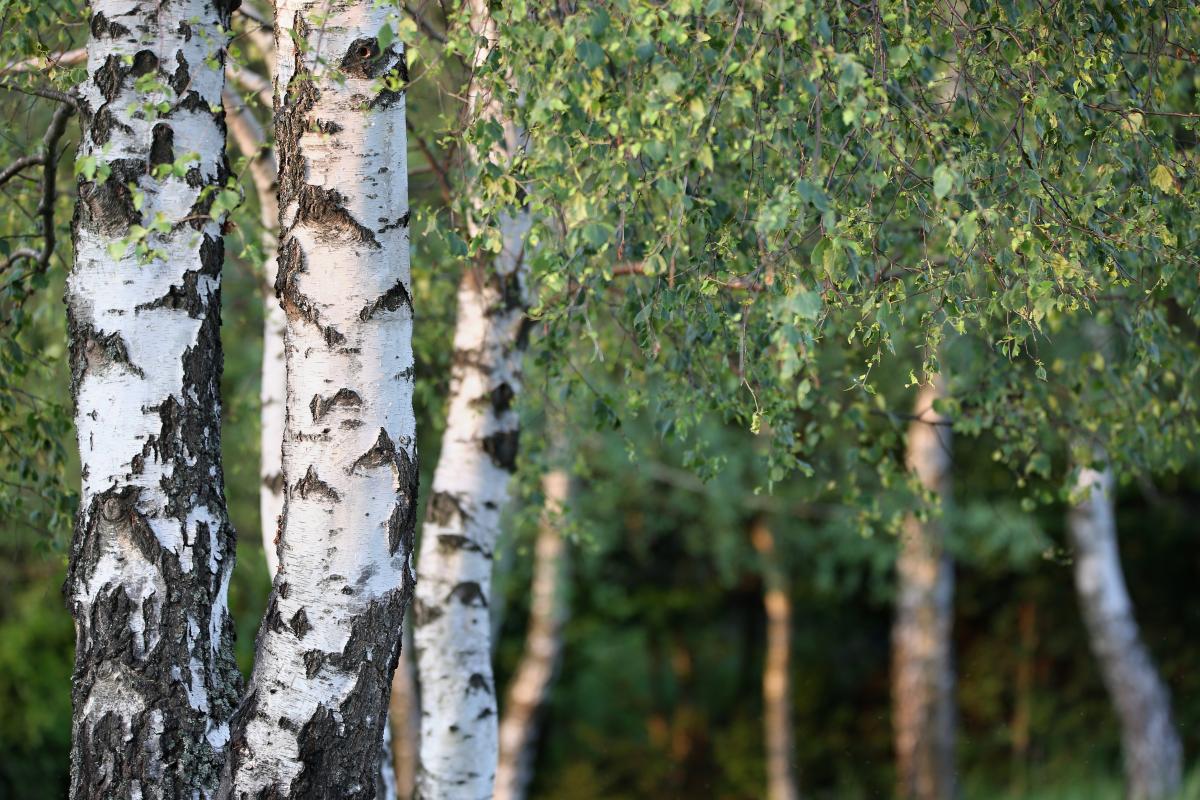
Along its banks, nature softens the grandeur. Silver birch trees gather in scattered clusters, their pale trunks luminous against the deeper greens, their leaves whispering with the slightest breeze. They stand like quiet observers—timeless, unhurried—watching the river as it has passed for centuries.
And with the river comes change—not just in land, but in spirit.
The architecture begins to shift.
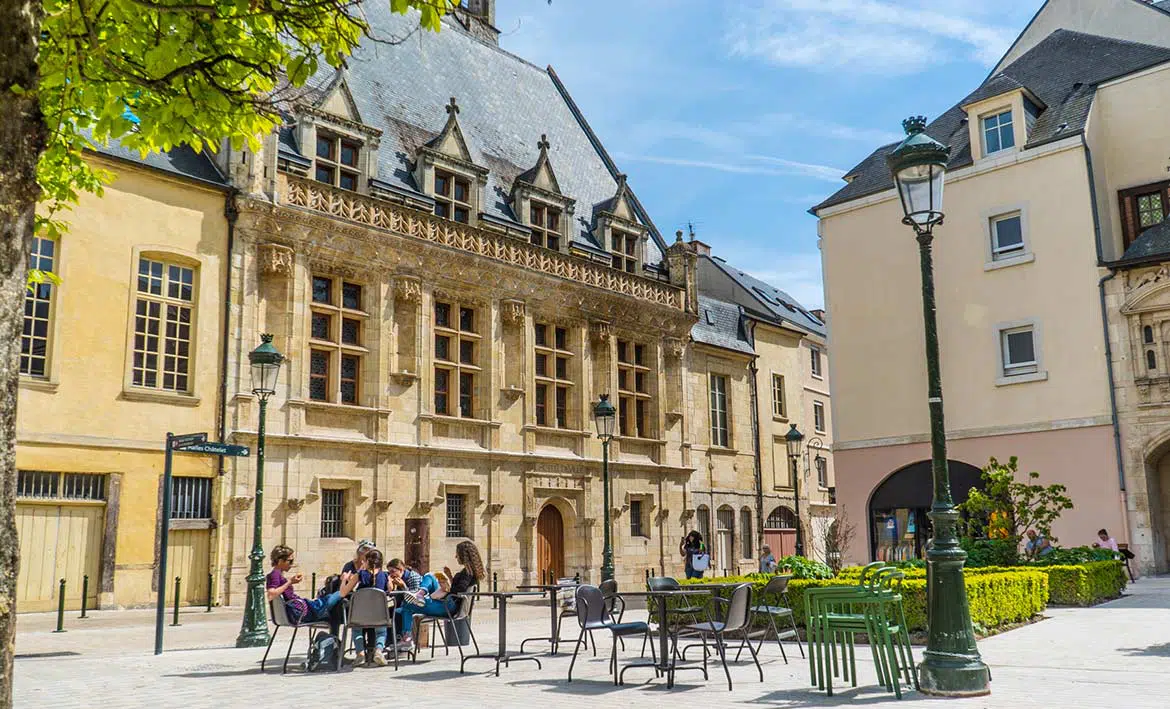
Gone is the rustic intimacy of Normandy’s timbered cottages. In its place rises something more expansive, more deliberate. As you approach cities like Orléans and Nantes, the buildings speak of a different past—one shaped by trade, power, and reach.
There is an almost colonial elegance to them. Wide façades. Balanced symmetry. Stone that feels both decorative and declarative. These are not homes that grew from the land—they are statements imposed upon it.
They tell stories not just of France, but of influence beyond its borders.

4
And then there are the châteaux.
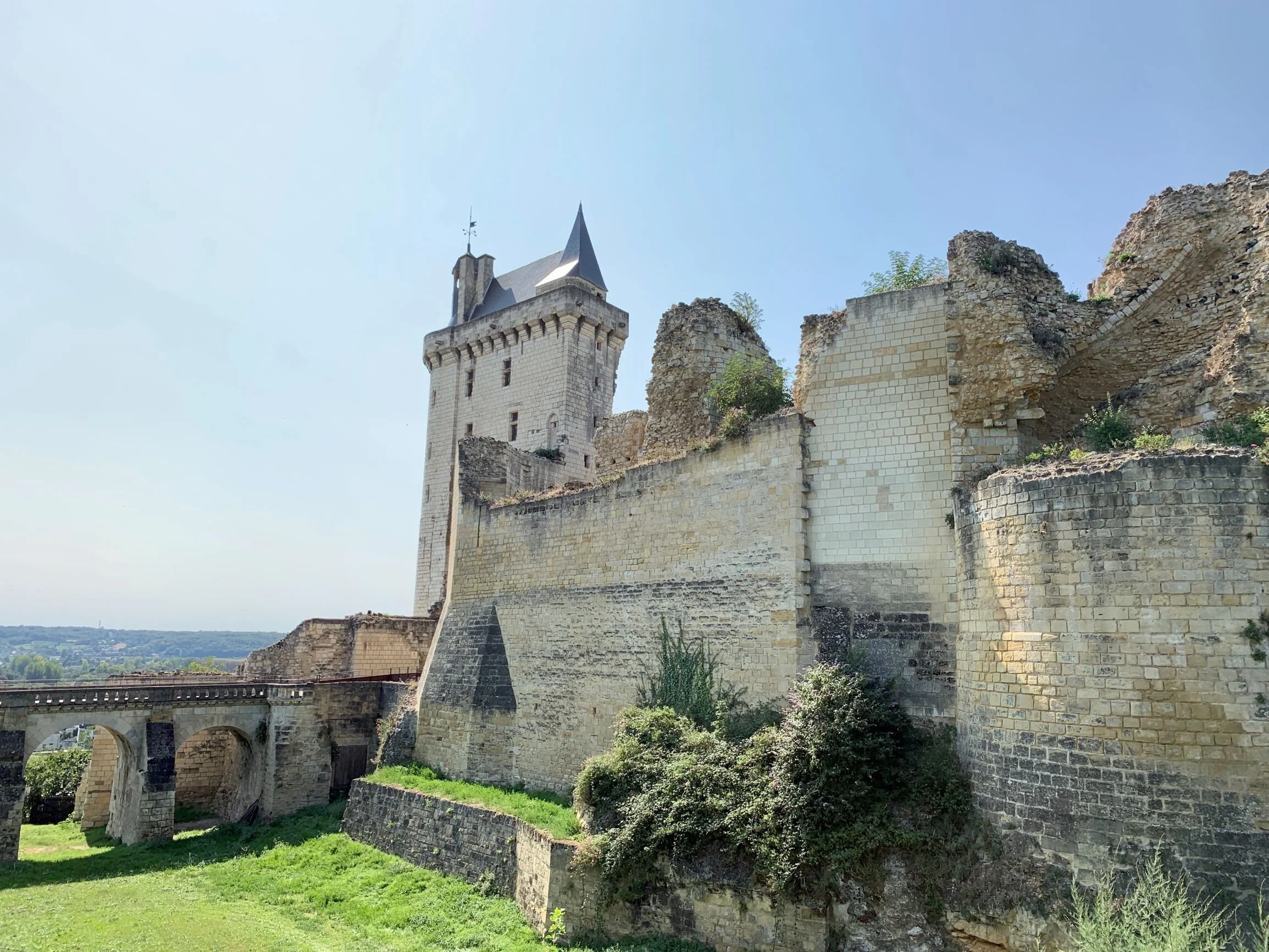
And the forts.
They do not hide.
They rise—suddenly, unapologetically—from the earth. Some restored to quiet splendour, others left to weather and time, their stones worn but resolute. Each one a fragment of history anchored in place.
These are not just buildings.
They are echoes.
Echoes of power struggles. Of defence and ambition. Of territories claimed, defended, lost, and reclaimed. You can feel it in their walls—in the thickness of the stone, in the narrowness of the windows, in the way they command the land around them.
They remind you that this serene landscape was not always so peaceful.
That beneath the vineyards and beside the gentle shimmer of the river lies a history forged in conflict and resilience.
And yet, today, there is calm.
A different kind of richness fills the air here—not the rustic, earthy abundance of Normandy, but something more refined, more measured. Wine replaces cider. Stone replaces timber. Grandeur replaces simplicity.
But neither is greater.
They are simply different expressions of the same soul.
This is what it is to travel through France—not just distance, but identity. Not just geography, but culture unfolding in layers.
From orchard to vine.
From quiet fields to sweeping rivers.
From humble charm to stately elegance.
A journey not just across land…
…but through time itself.