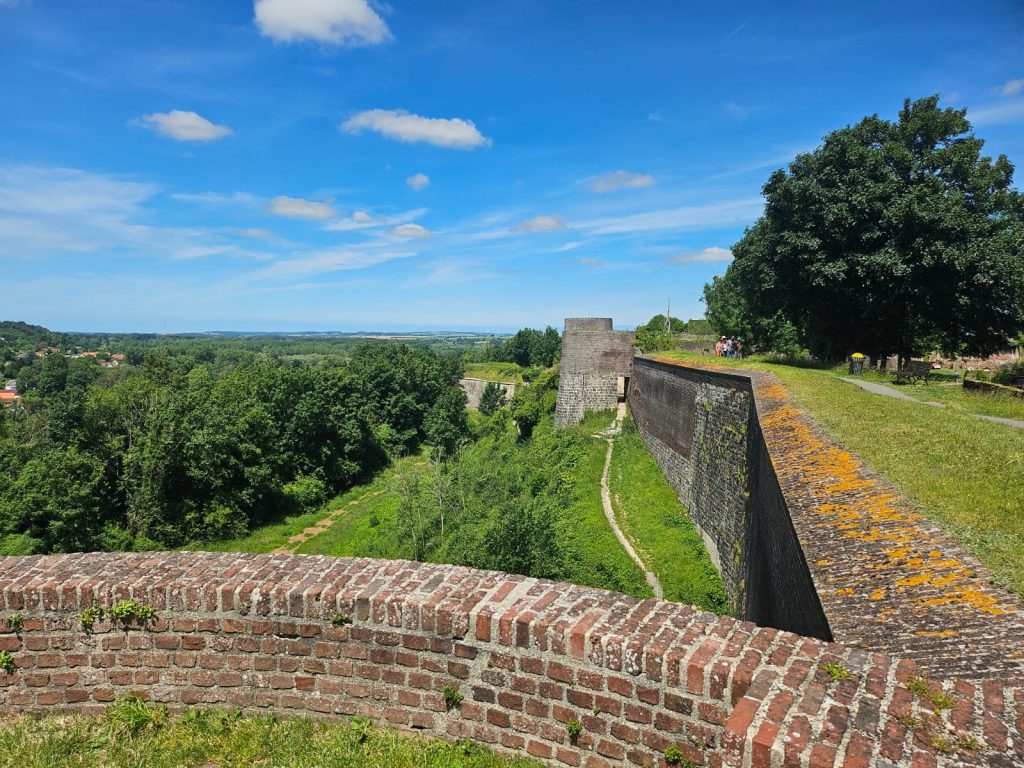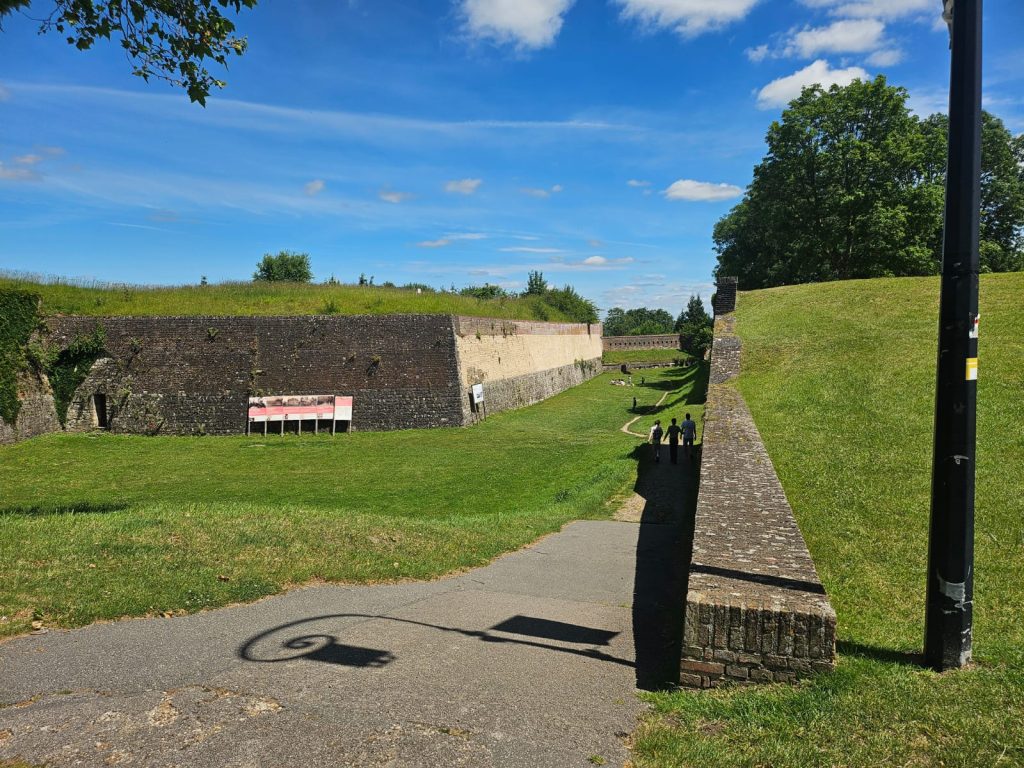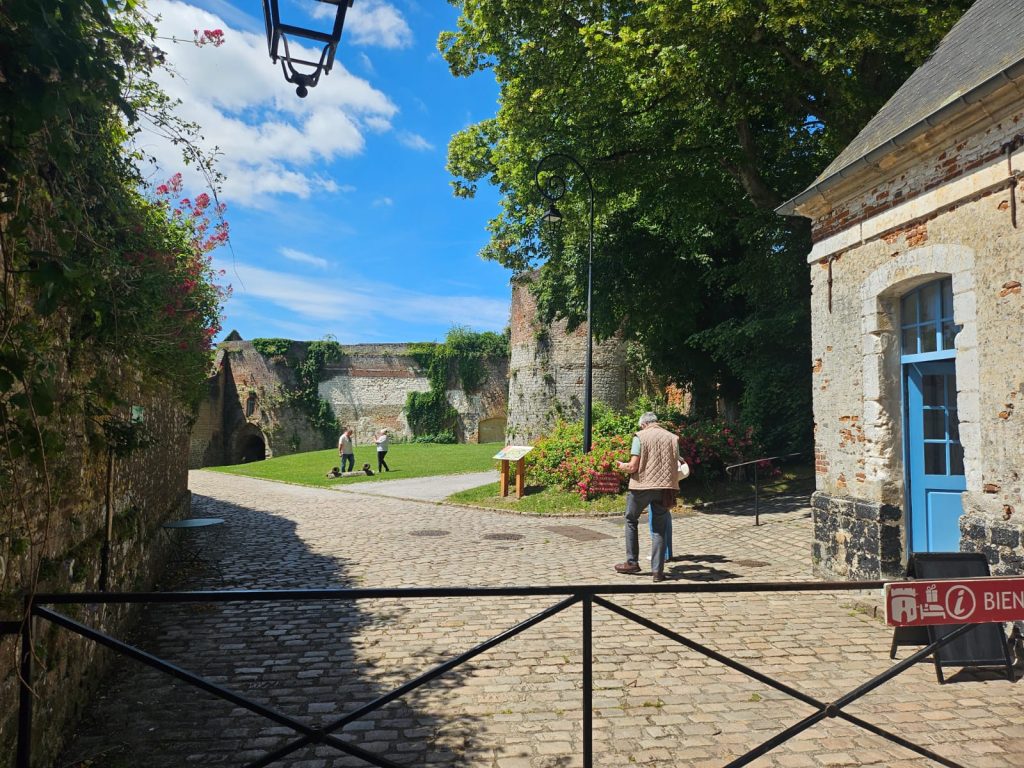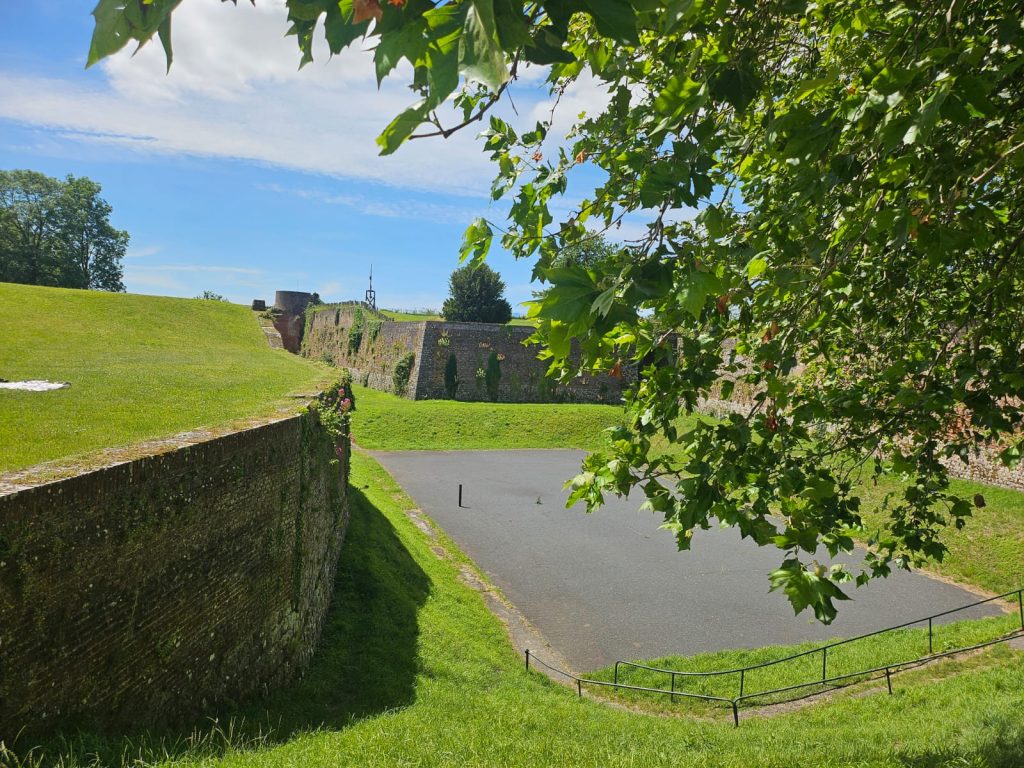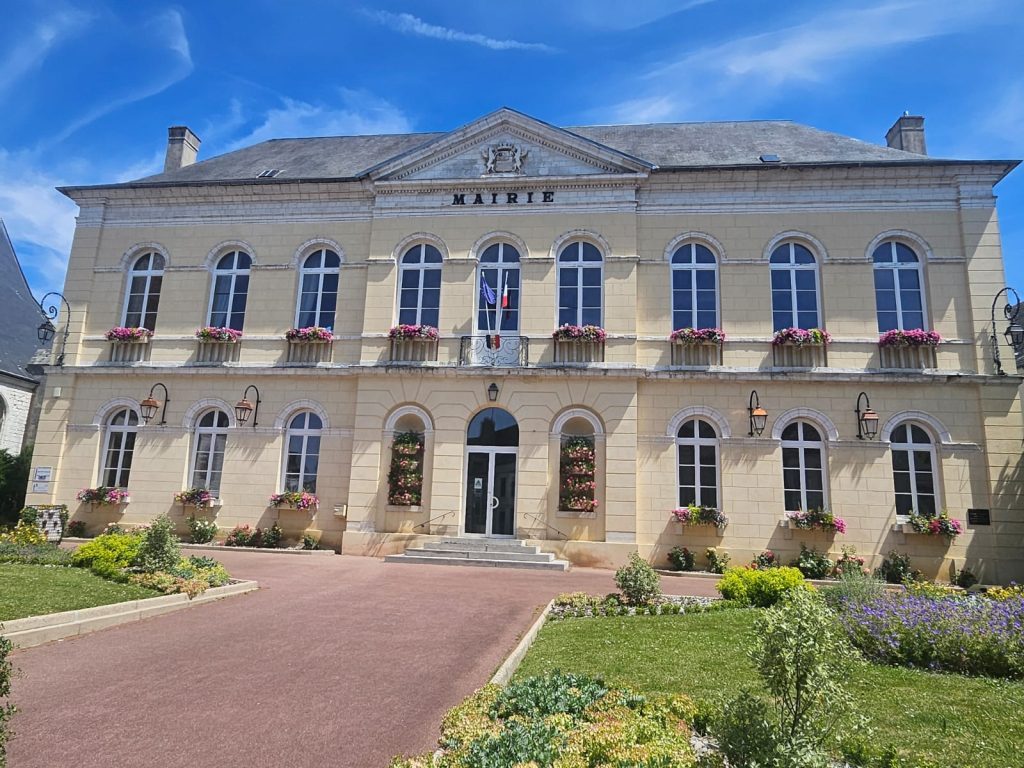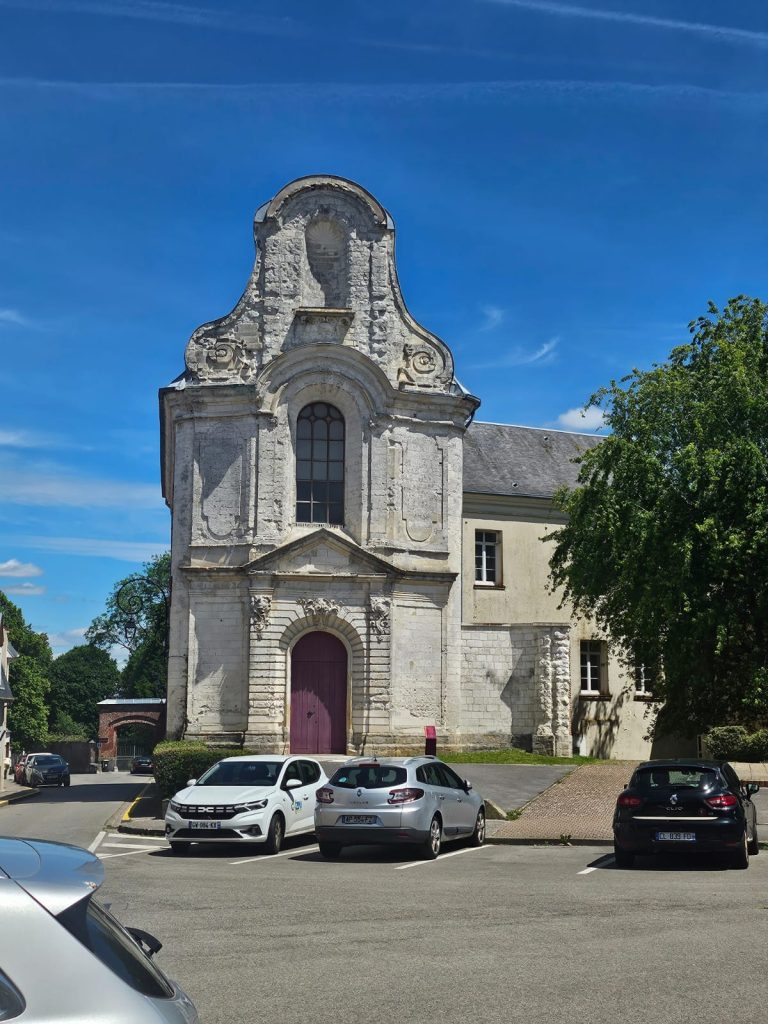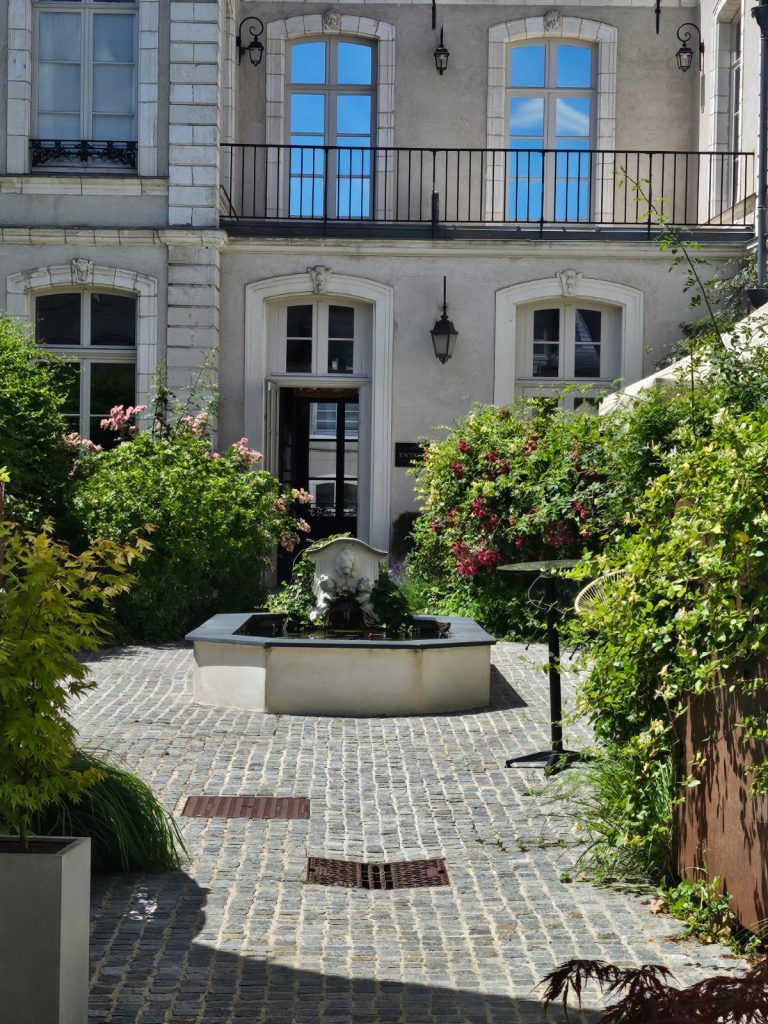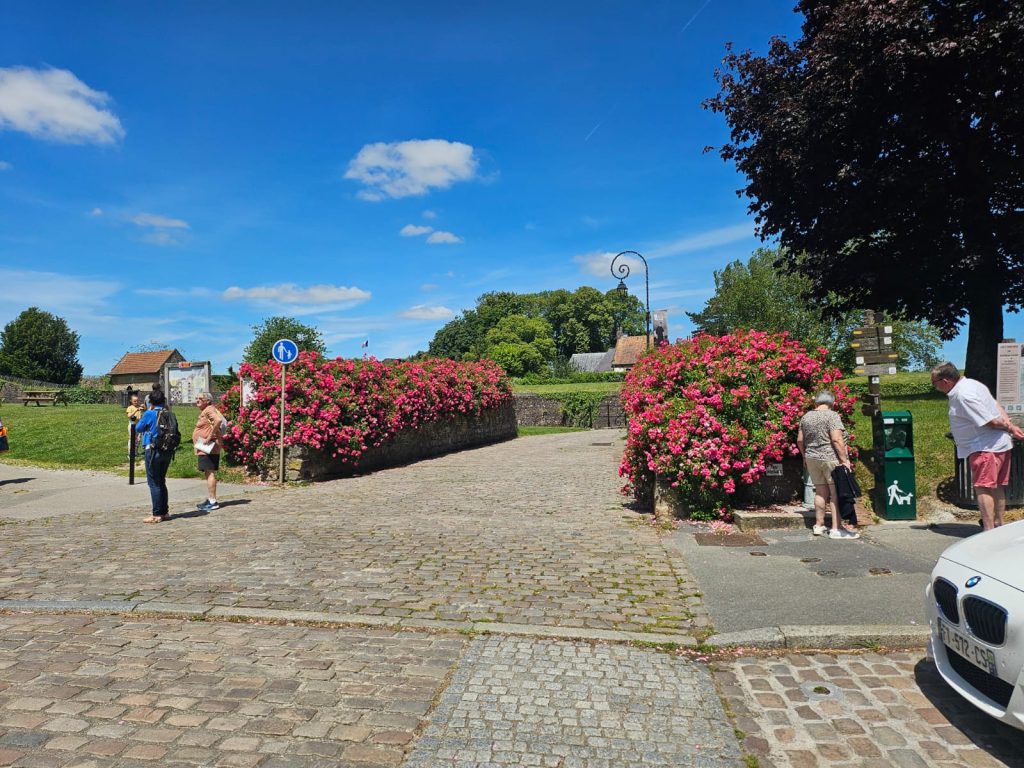

There is a moment on the road north-east from Normandy, between Rouen and Amiens, when France begins to change.
Leaving behind the Seine Valley, the great forests around Pays de Bray and the rolling Norman countryside, the road passes through places such as Gournay-en-Bray and towards Poix-de-Picardie. At first it is subtle.
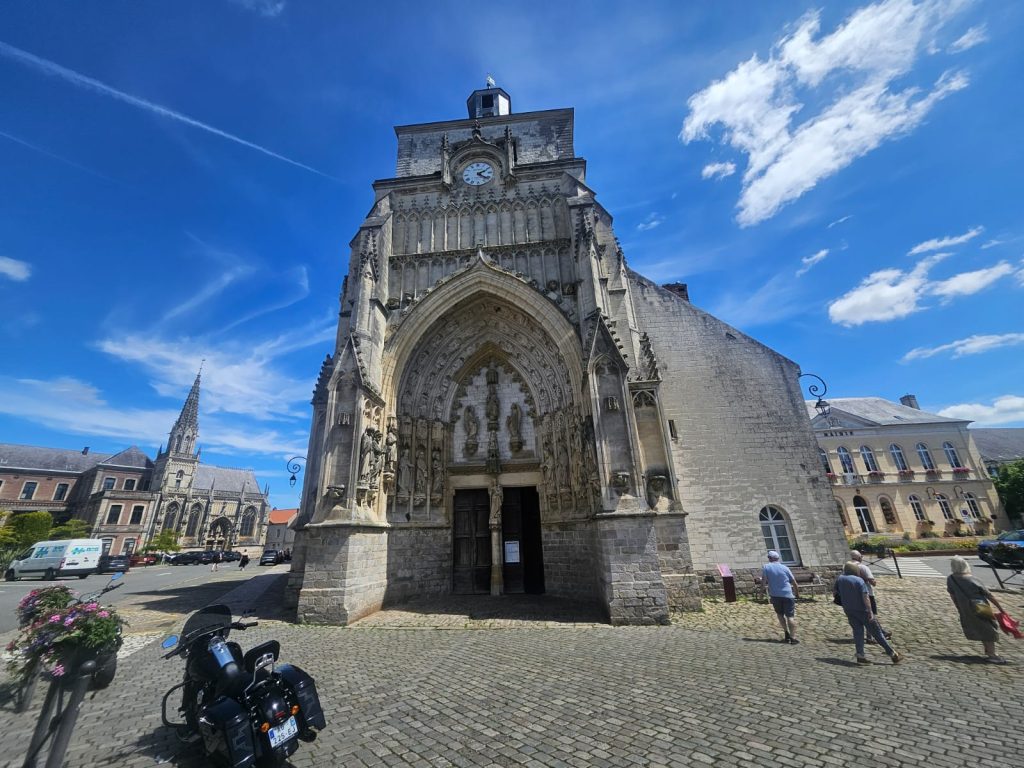
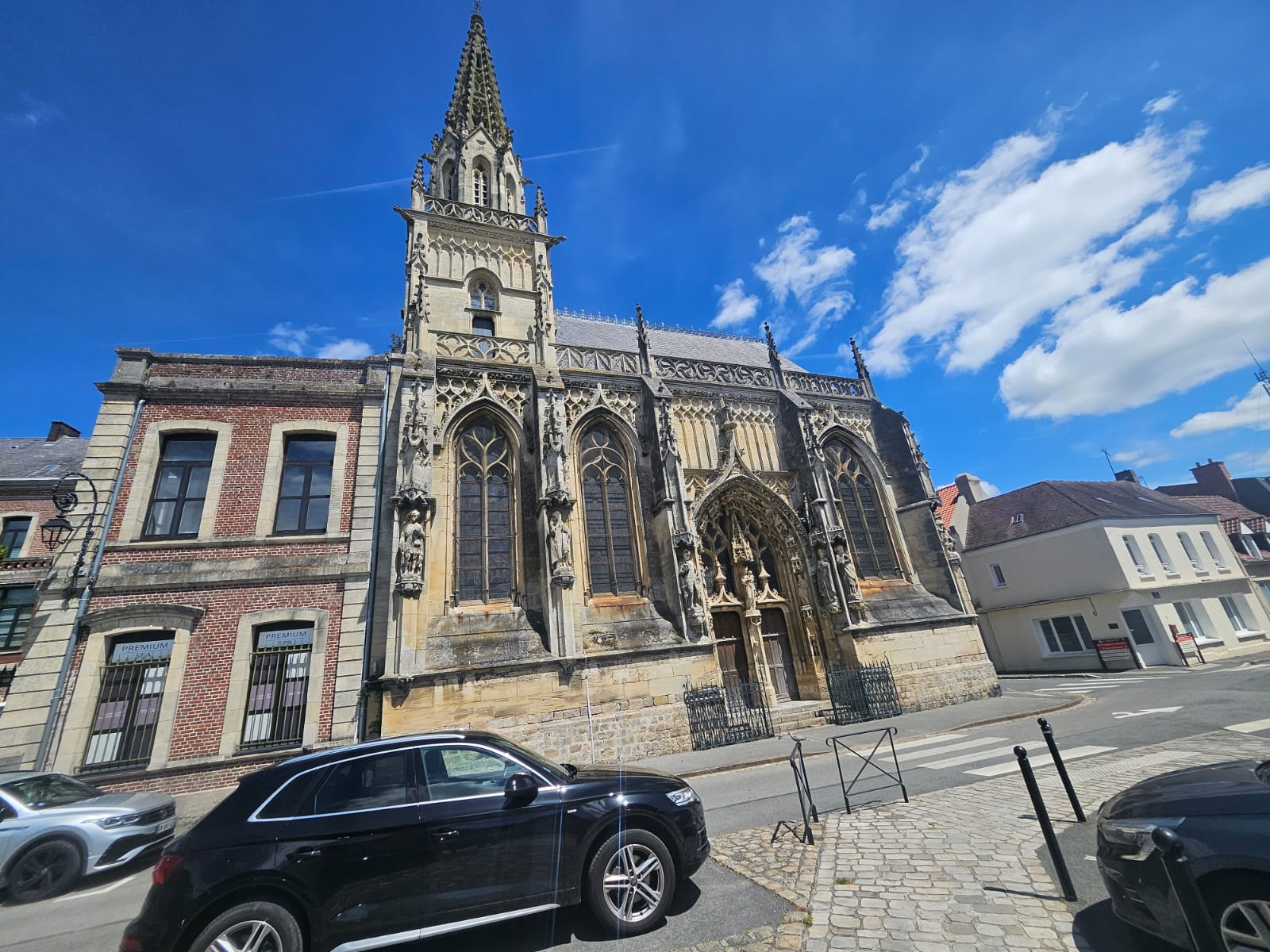
The apple orchards become fewer. The timber-framed houses and sturdy Norman farmsteads that have defined the countryside for miles slowly disappear behind you. The rolling green fields remain, but the character changes. The villages seem younger. The architecture loses some of the medieval confidence that Normandy wears so naturally. Stone gives way to brick. Grand Norman barns and half-timbered houses become less frequent, replaced by buildings that speak of reconstruction rather than inheritance.
You have ceossed from Normandy into Piccardy. You have crossed an invisible line.
You have entered the Somme.
And here, whether you realise it immediately or not, the land remembers.
Leaving Normandy Behind
Normandy feels ancient.
Its churches, abbeys and villages carry the weight of a thousand years. From the days of Rollo and the Vikings, through William the Conqueror, the Hundred Years’ War, the Wars of Religion and the Second World War, Normandy somehow managed to retain much of its historic character.
Places such as Rouen, Caen and Bayeux feel connected directly to the medieval world.
The buildings tell stories.
The churches are Gothic.
The castles are Norman.
The market squares remain where they have stood for centuries.
Even modern life seems to fit around a framework established long ago.
The further east and north you travel, however, the more that continuity begins to break.
The Somme: A Landscape Scarred by Memory
Unlike Normandy, the Somme is not defined primarily by medieval kings or dukes.
It is defined by one event.
One terrible event.
One wound.
The First World War.
The Battle of the Somme has become so deeply woven into the identity of this region that it is impossible to separate the landscape from the conflict.
Even today, more than a century later, the war remains visible.
Not always dramatically.
Not always obviously.
But it is there.
Hidden beneath fields.
Embedded in village memorials.
Preserved in cemeteries.
Remembered in names.
Fields That Once Were Battlefields
Driving through the Somme can be an unsettling experience.
The countryside is beautiful.
Golden wheat sways in the breeze.
Vast open skies stretch to the horizon.
Quiet villages nestle among gentle hills.
Birdsong fills the air.
Yet beneath these peaceful scenes lies a darker truth.
Many of these fields were once churned into mud by millions of artillery shells.
Many of these peaceful roads follow routes once crowded with columns of exhausted soldiers marching toward the front.
The fields that now grow wheat and sugar beet once swallowed entire regiments.
What appears tranquil today was once one of the most violent places on Earth.
The contrast is difficult to comprehend.
Villages Rebuilt from Nothing
One of the first things a traveller notices is the architecture.
In Normandy, many villages have grown organically over centuries.
In the Somme and parts of Pas-de-Calais, many villages were rebuilt.
Entire communities vanished during the war.
Villages such as Ovillers-la-Boisselle, Fricourt and Pozières were virtually erased during the war.
Churches were destroyed.
Town halls collapsed.
Homes disappeared beneath shellfire.
When peace finally returned, many settlements had to be reconstructed almost entirely from scratch.
This is why the architecture often feels newer.
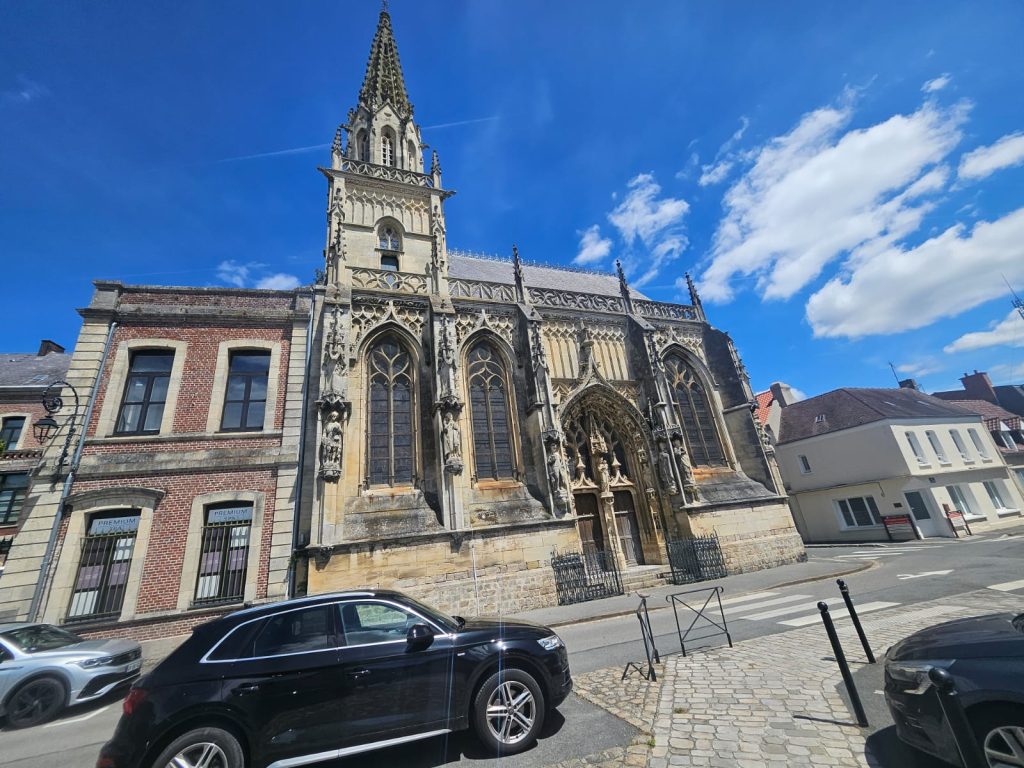
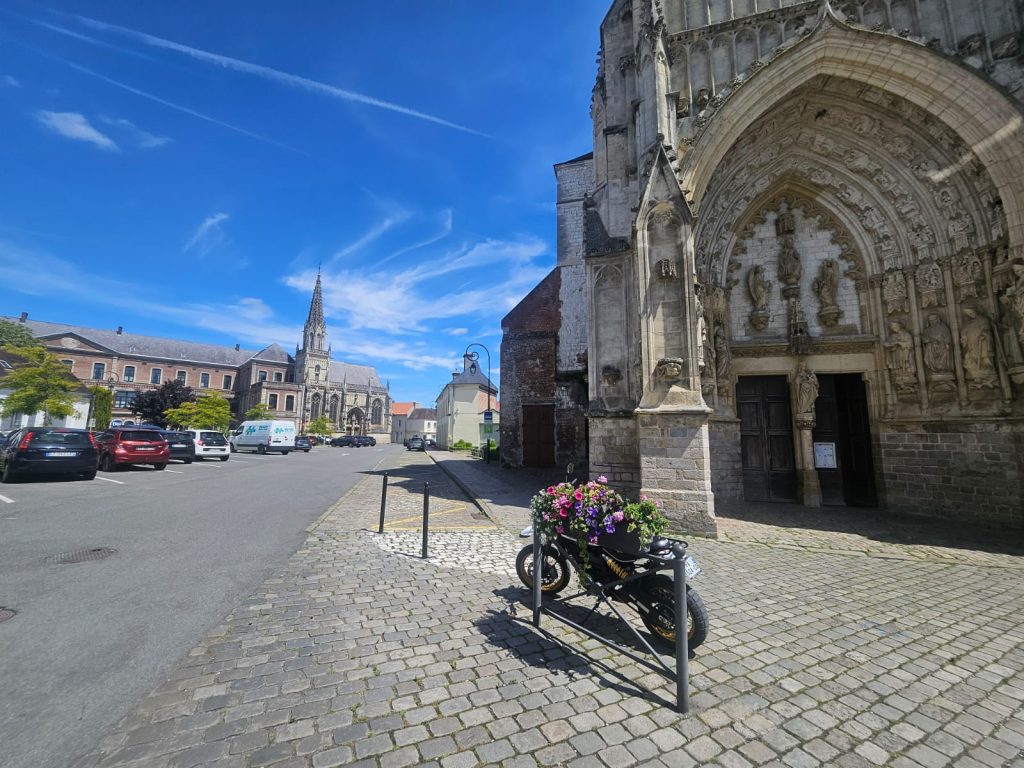
Churches dating from the 1920s and 1930s stand where medieval churches once stood.
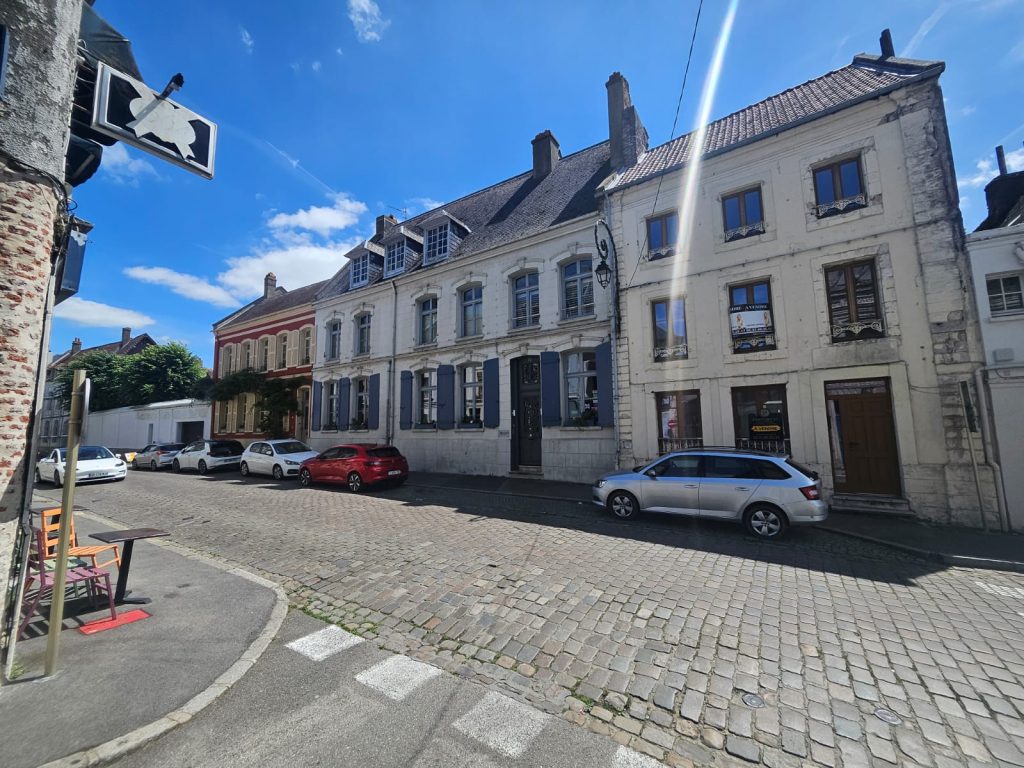
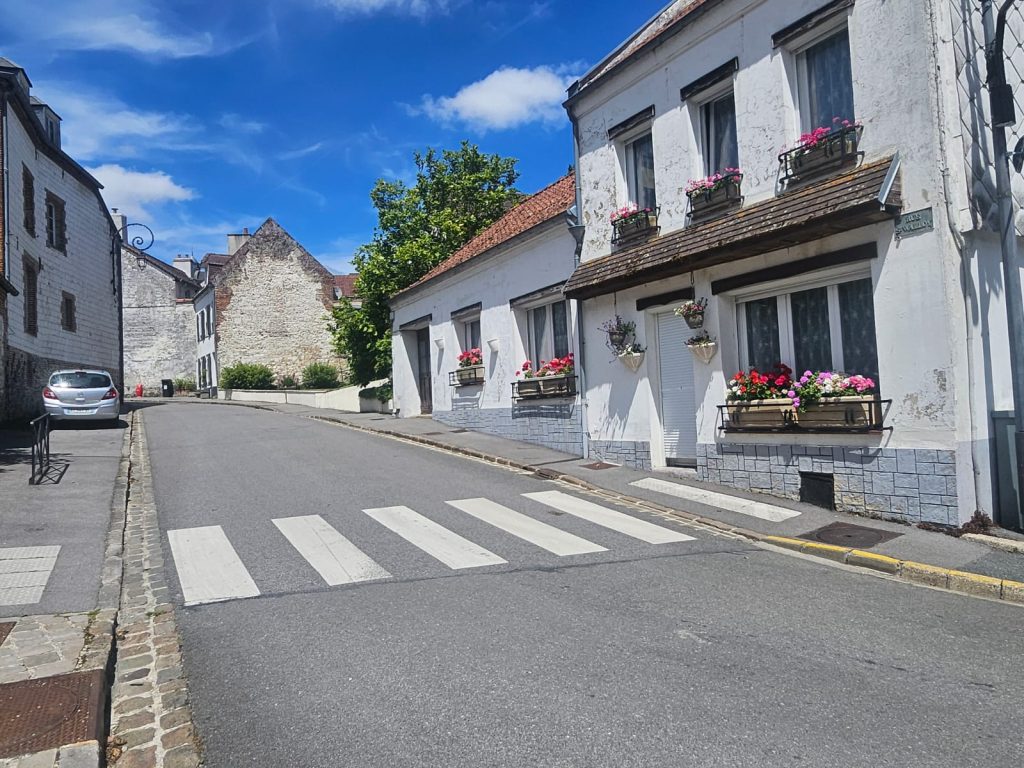
Rows of brick houses replace older structures lost during the fighting.
The buildings are practical.
Solid.
Functional.
Their very existence is a monument to resilience.
They are reminders that these communities refused to disappear.
The Endless Cemeteries
Then come the cemeteries.
At first you notice one.
Then another.
Then another.
Soon you realise they are everywhere.
Small cemeteries hidden behind hedgerows.
Large cemeteries stretching across entire hillsides.
Rows upon rows of white headstones.
Thousands upon thousands of names.
Many simply marked:
“Known Unto God.”
Each cemetery represents a fragment of a much larger story.
British.
French.
Canadian.
Australian.
New Zealand.
South African.
German.
Men from every corner of the world lie together beneath the fields where they fought.
For visitors from Britain, the effect can be particularly powerful.
Many of the names carved into stone are unmistakably British.
They came from Liverpool.
Manchester.
Birmingham.
Glasgow.
Cardiff.
London.
Young men who left home believing they would be back by Christmas.
Many never returned.
The Thiepval Memorial
Nothing captures the scale of the loss quite like Thiepval.
Rising above the landscape, this vast monument dominates the surrounding countryside.
It bears the names of more than 72,000 British and South African soldiers who died on the Somme and have no known grave.
No grave.
No resting place.
No headstone.
Only a name carved into stone.
Standing beneath the immense arches of Thiepval is an experience that leaves many visitors silent.
The sheer scale overwhelms.
The memorial does not glorify war.
It exposes its cost.
Craters, Trenches and Ghosts
In places such as Vimy and Arras the landscape still bears physical scars.
Shell craters remain.
Trench systems survive.
The ground undulates unnaturally.
The earth itself seems wounded.
Walking through preserved trench lines is perhaps the closest modern visitors can come to understanding the conditions faced by the soldiers.
The distances are shorter than expected.
The trenches narrower.
The ground more exposed.
Every hill suddenly makes sense.
Every depression.
Every ridge.
What appears today as peaceful countryside once dictated life and death.
Into Pas-de-Calais
As the road continues north into places such as Lens, Béthune and Saint-Omer they reveal a different chapter of French history and the atmosphere changes again.
The region becomes more industrial.
The architecture reflects later rebuilding and economic development.
Coal mining shaped much of this landscape.
Red-brick terraces appear more frequently.
The influence of nearby Belgium becomes more apparent.
The grand Gothic cathedrals of Normandy feel more distant now.
The Channel ports dominate the horizon.
Road signs point towards Calais.
Towards Dunkirk.
Towards Britain.
The narrow strip of sea that has shaped centuries of European history lies just beyond.
A Different Kind of France
Normandy feels comfortable with its history.
The Somme lives with it.
There is a difference.
Normandy celebrates William, abbeys, cathedrals and medieval grandeur.
The Somme remembers sacrifice.
One region invites admiration.
The other demands reflection.
Neither is better.
Both are essential to understanding France.
Together they tell two chapters of the same story.
One of creation.
One of destruction.
One of builders.
One of survivors.
The Road Home
As the miles pass beneath the wheels and the signs begin pointing towards Calais and the Channel crossing, the memories remain.
The half-timbered villages of Normandy.
The Gothic spires.
The ancient abbeys.
Then the rebuilt towns.
The military cemeteries.
The endless white headstones stretching across green fields.
France changes as you travel north.
Not merely in architecture.
Not merely in scenery.
But in mood.
In memory.
In the stories carried by the land itself.
For Normandy speaks of what Europe built.
The Somme speaks of what Europe lost.
And somewhere between the two lies the story of modern France itself.