
Where Humanity Met the Machine
Verdun is not a place to celebrate. It is not a place to glorify.
It is not a place of victory, triumph, or romantic notions of war.
Verdun is a place that should leave a lump in your throat and an ache in your heart.
It is a cold place.
Cold not because of the weather, but because of the facts.
Cold, hard facts.
“Verdun is not a place to celebrate.
It is not a place to glorify.
It is a place that should leave a lump in your throat and an ache in your heart.”
Cold Facts
Between February and December 1916, hundreds of thousands of men were fed into an industrial process of death. French and German alike. Farmers, teachers, labourers, poets, musicians, fathers, sons and husbands.
Reduced to numbers.
Reduced to casualties.
Reduced to names carved into stone.
There is nothing beautiful about those facts.
Nothing glorious.
Nothing noble about a generation being shredded by artillery so powerful that entire villages vanished from the map and were never rebuilt. Nothing inspiring about men buried alive beneath collapsing trenches. Nothing heroic about lungs burned by gas or bodies torn apart by shell fragments before they ever saw the enemy.
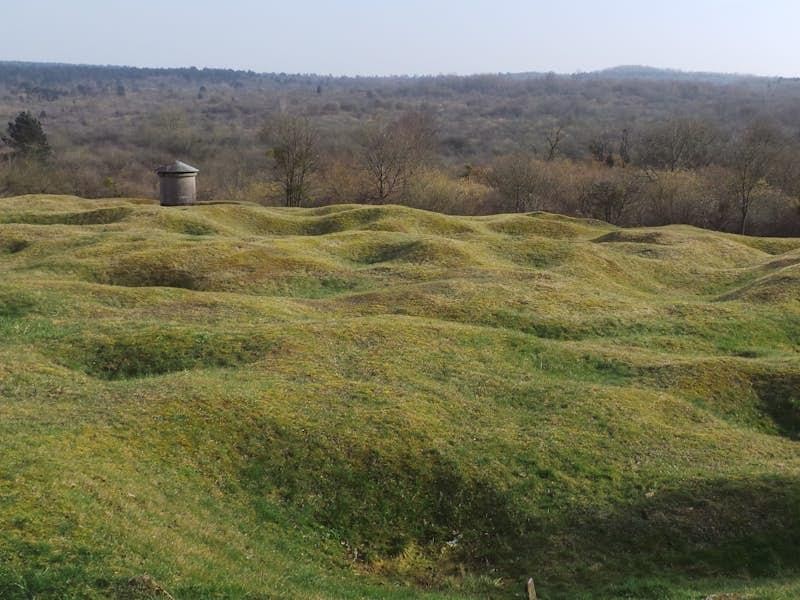
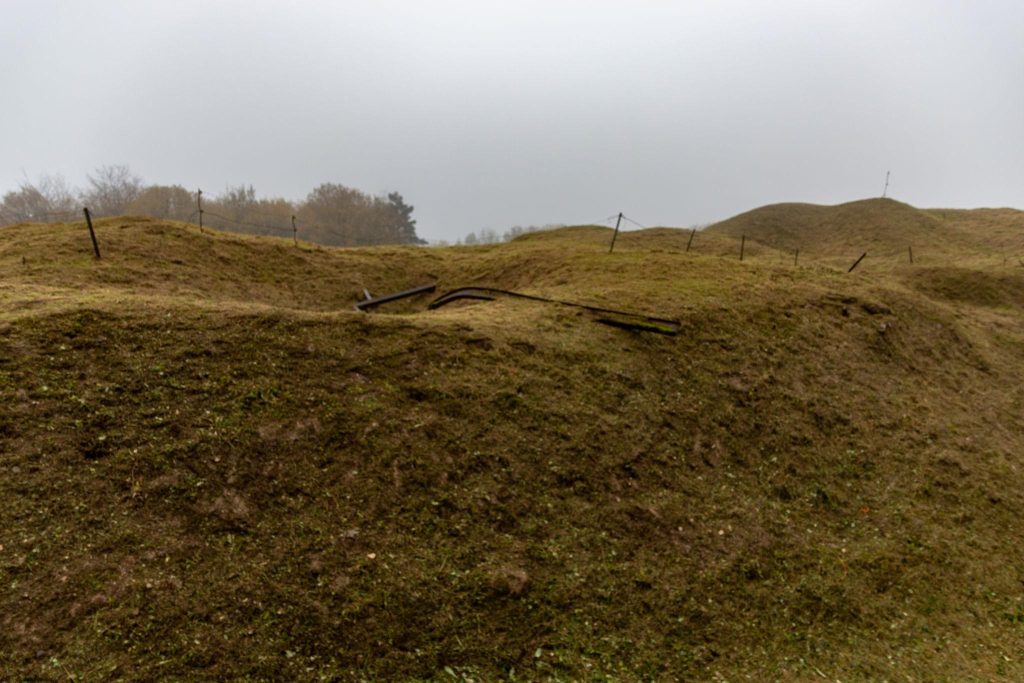
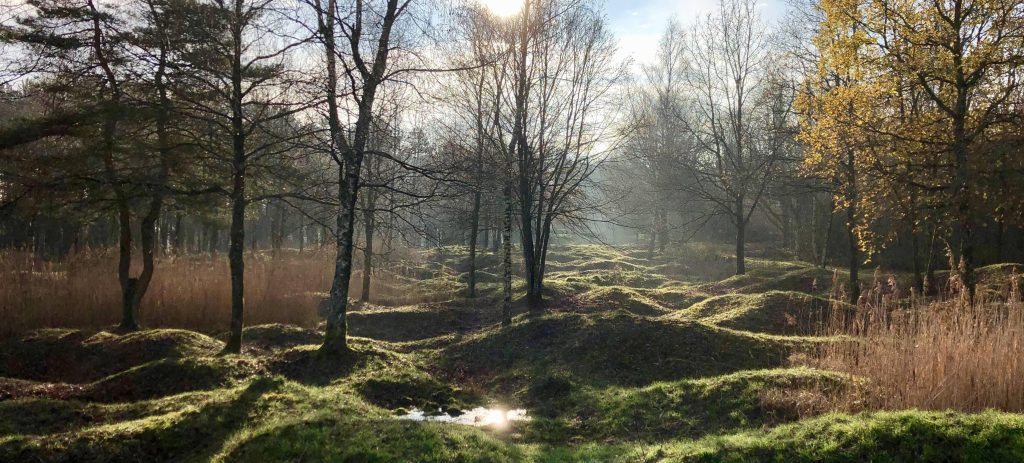
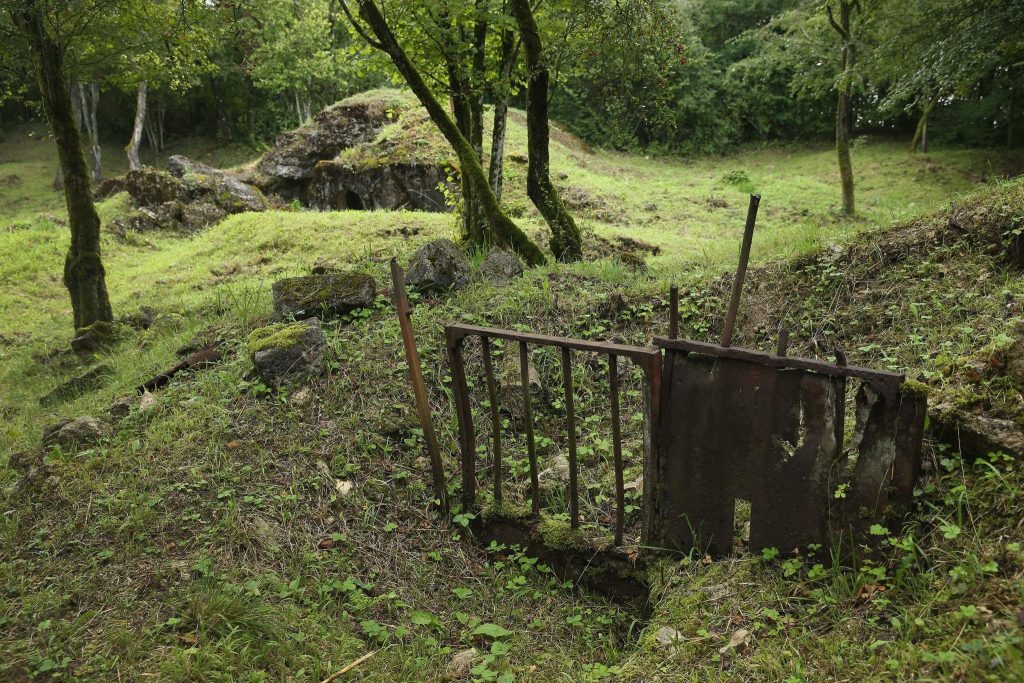
The landscape itself became a casualty.
Forests disappeared.
Fields became moonscapes.
The earth was churned so violently that even today the ground remains scarred by shell holes, trenches, unexploded ordnance and the bones of those never recovered.
The Citadel
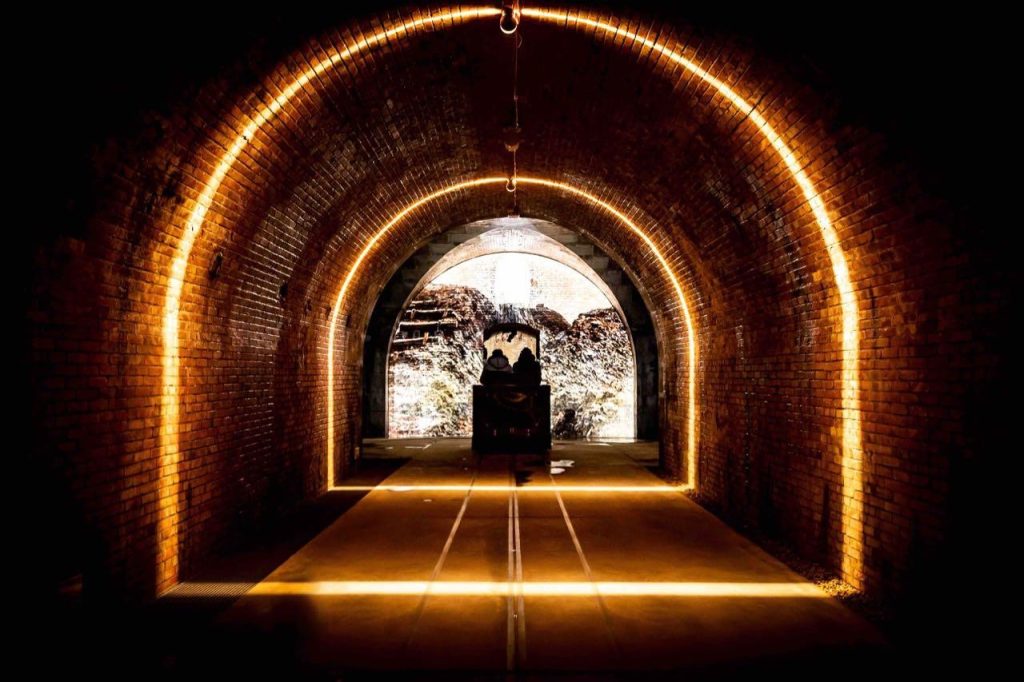
Deep beneath Verdun runs the Underground Citadel.
Cold stone passages stretch into darkness.
Thousands of soldiers passed through these tunnels.
Many entered.
The Citadel beneath Verdun tells its own story.
Dark galleries stretch beneath the town like the veins of a wounded body. Here, thousands of men waited in damp corridors illuminated by flickering lamps. They listened to the endless rumble of artillery overhead. They knew many of them would climb the stairways into daylight only once.
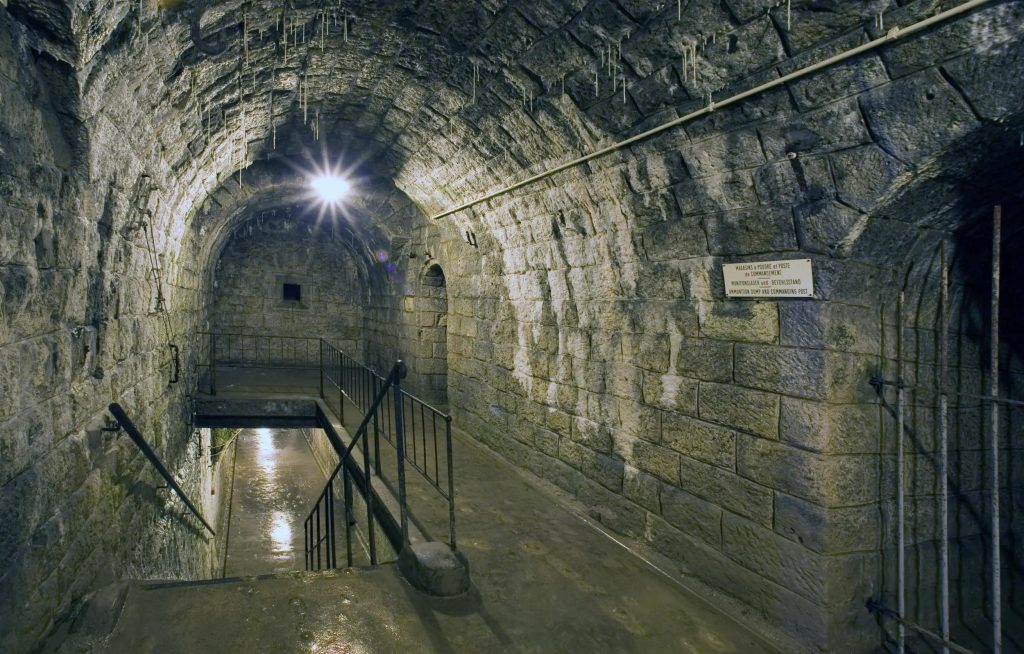
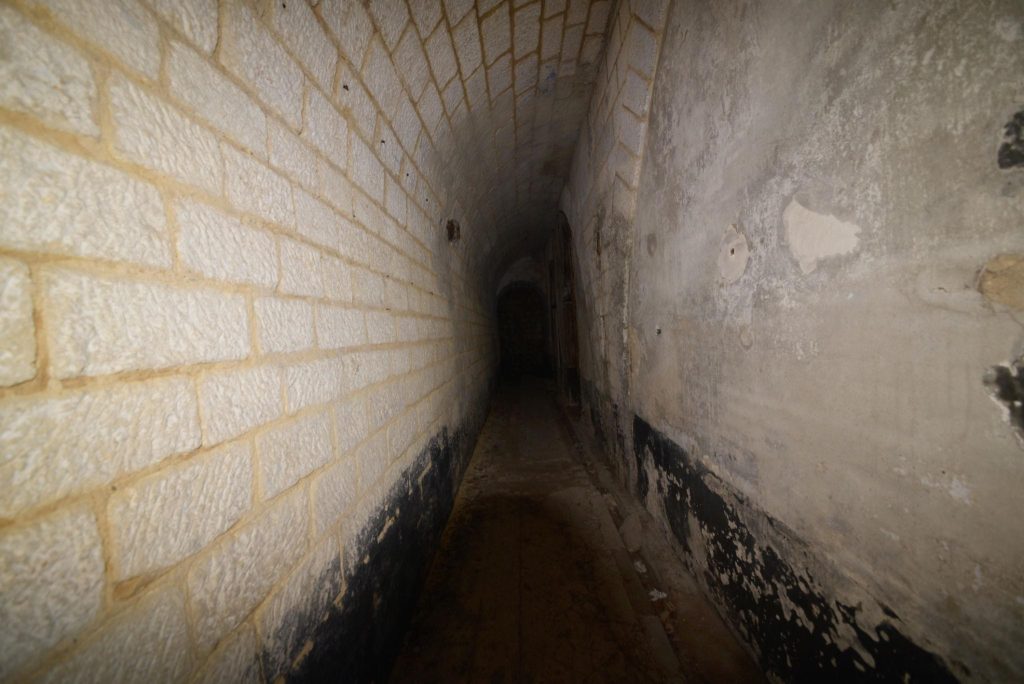
Not all returned.
The walls offered protection from shellfire, but not from fear.
Above them, artillery thundered day and night.
The men waiting here knew they might soon climb a staircase into daylight for the final time.
The nightmare was not coming.
The nightmare was already here.
The Trenches

Forget the paintings.
Forget the patriotic posters.
Remember the mud.
Remember the rats.
Remember the bodies.
Imagine standing knee-deep in freezing water.

Imagine weeks without proper sleep.
Imagine hearing shells day and night until the sound became normal.
Imagine knowing that death could arrive from a sniper, a shell fragment, a mine explosion, or pure chance.
This was not heroism.
This was survival.
Mud.
Water.
Rats.
Rotting corpses.
The stench of decay.
The constant knowledge that death might arrive at any second, from any direction, without warning.
A sniper’s bullet.
A shell.
A mine.
A fragment of steel travelling faster than sound.
Nightmares were not something soldiers experienced after the war.
The nightmare was the war.
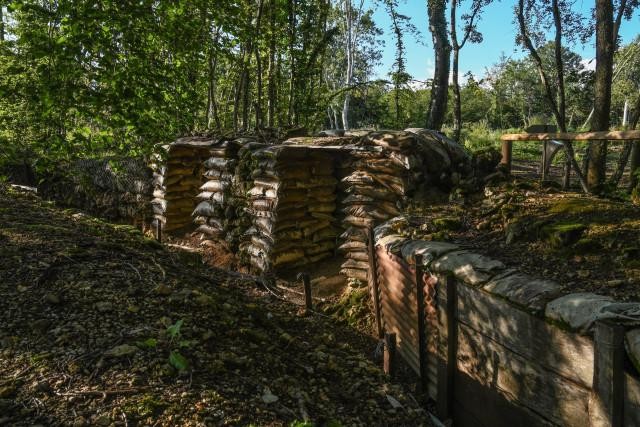
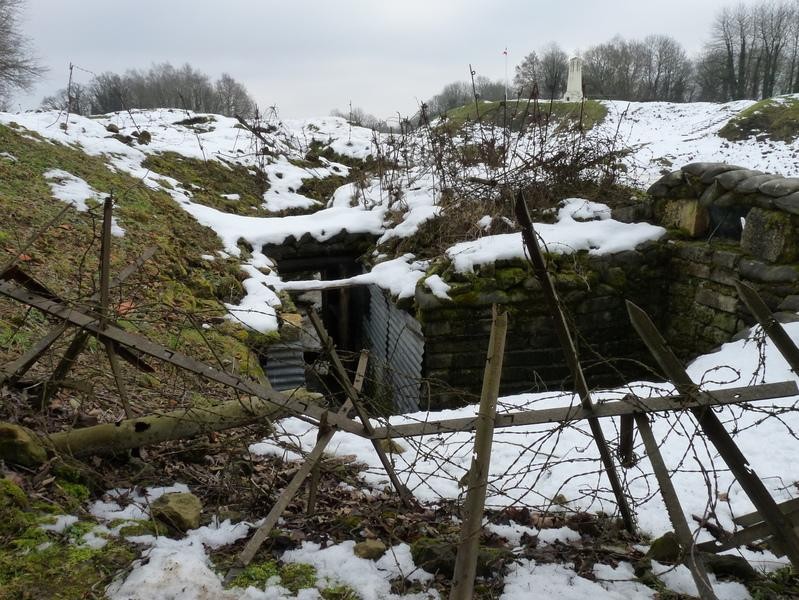
A Letter Home
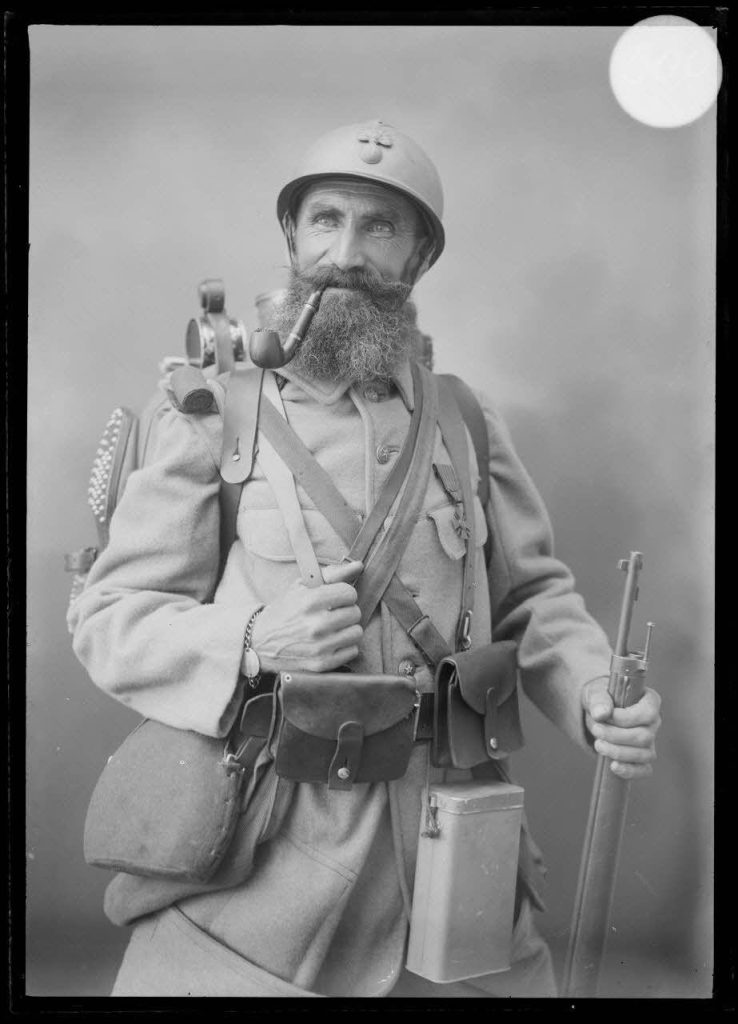
Yet amid the very worst humanity could inflict upon itself, something extraordinary endured.
Humanity itself.
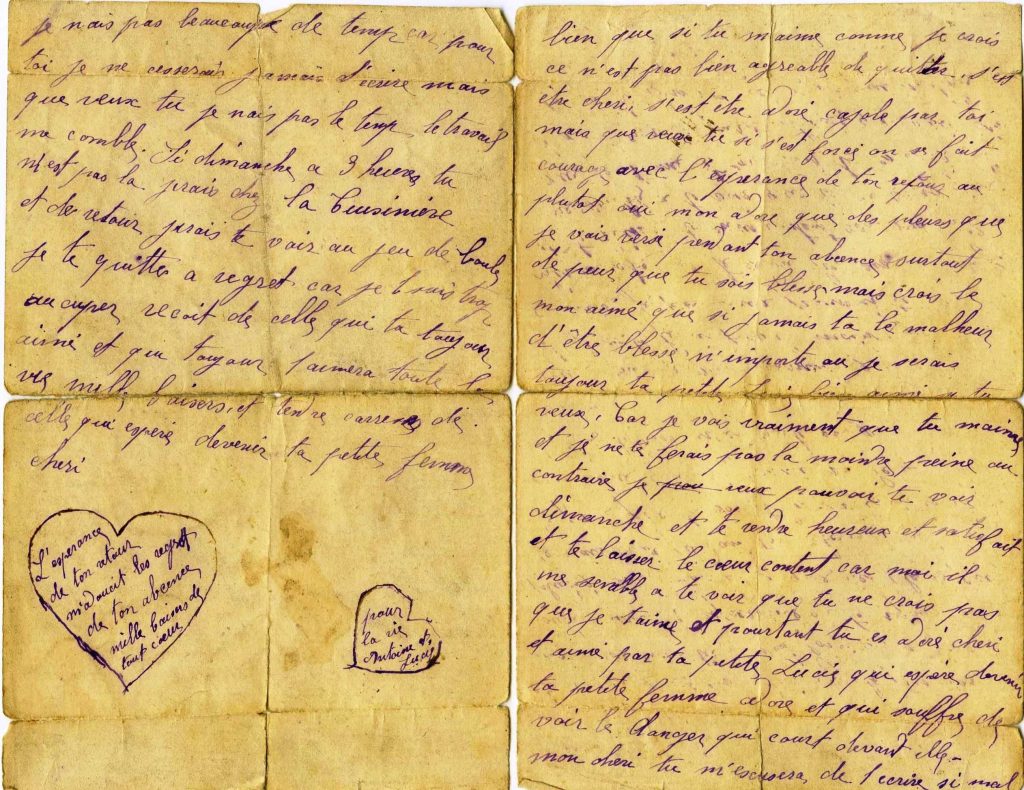
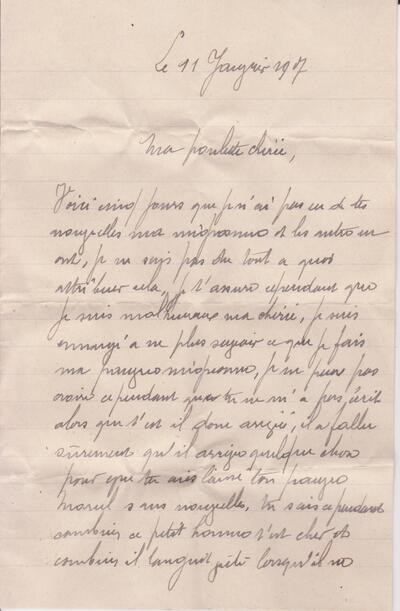
Among the artillery barrages and machine-gun fire came letters.
Among the screams came poetry.
Among the destruction came music.
Among the hatred came love.
One such letter survives.
Written on 7 April, shortly before the attack that would claim his life, a French soldier wrote to his wife Delphine:
“Yesterday I received a very lovely letter from you, full of love and overflowing with tenderness. Thank you, my dear little one, for writing to me at such length and for telling me things so sweet to the heart, so comforting.”
Around him the guns thundered.
The rifle fire crackled.
German shells fell around his position.
Yet his thoughts were not of killing.
Not of victory.
Not of glory.
His thoughts were of home.
Of love.
Of patience.
Of courage.
And of his wife.
“Until tomorrow, my darling. I hold you in my arms and kiss you with all my soul, all my strength, and all my heart.”
There would be no tomorrow.
Like so many others, he would become part of the statistics.
Another casualty.
Another name.
Another family left to grieve.
Yet his words survive.
And perhaps that is the lesson of Verdun.
The battle demonstrates how efficiently mankind can manufacture death.
His words survived where he did not.
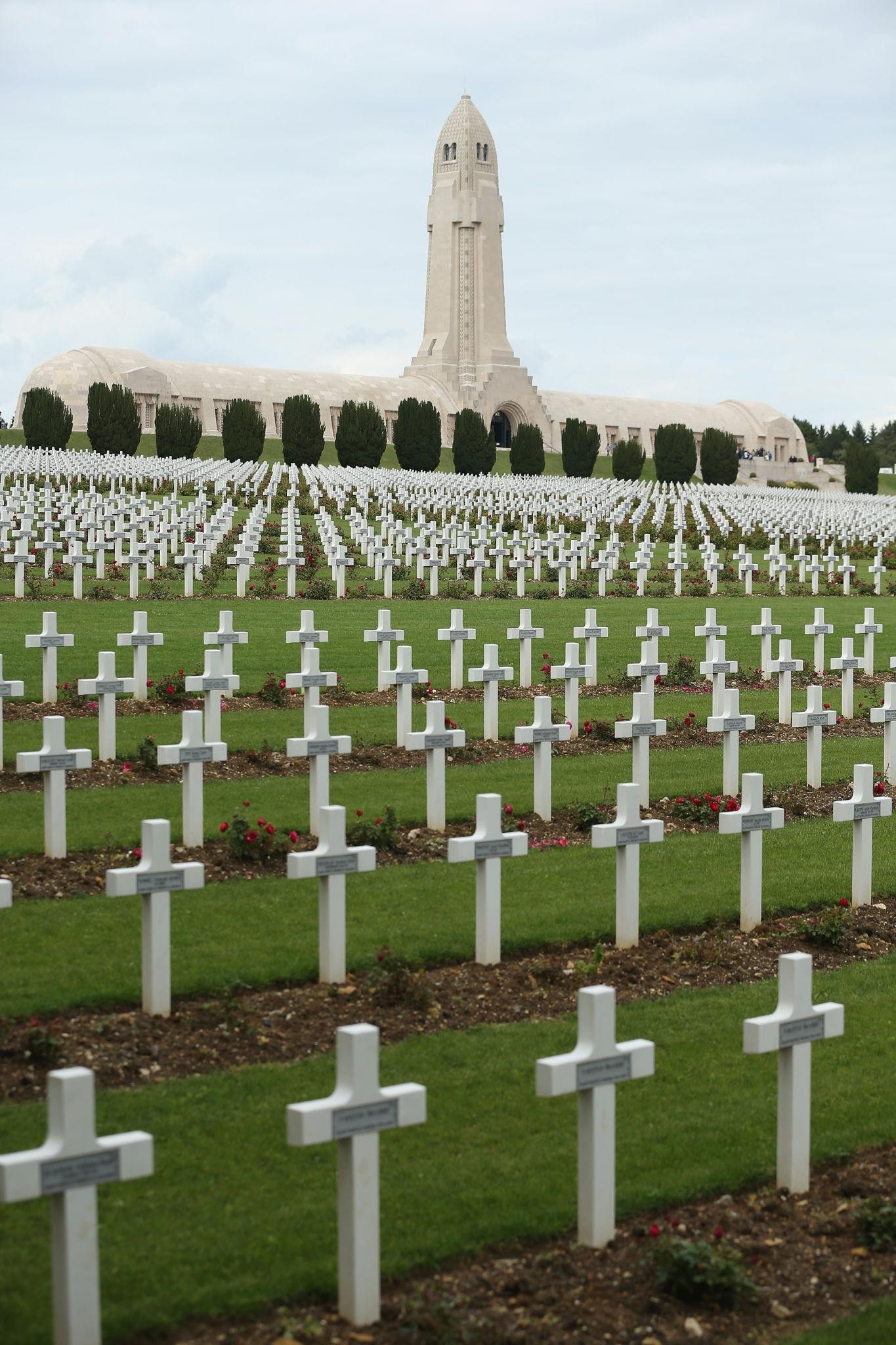
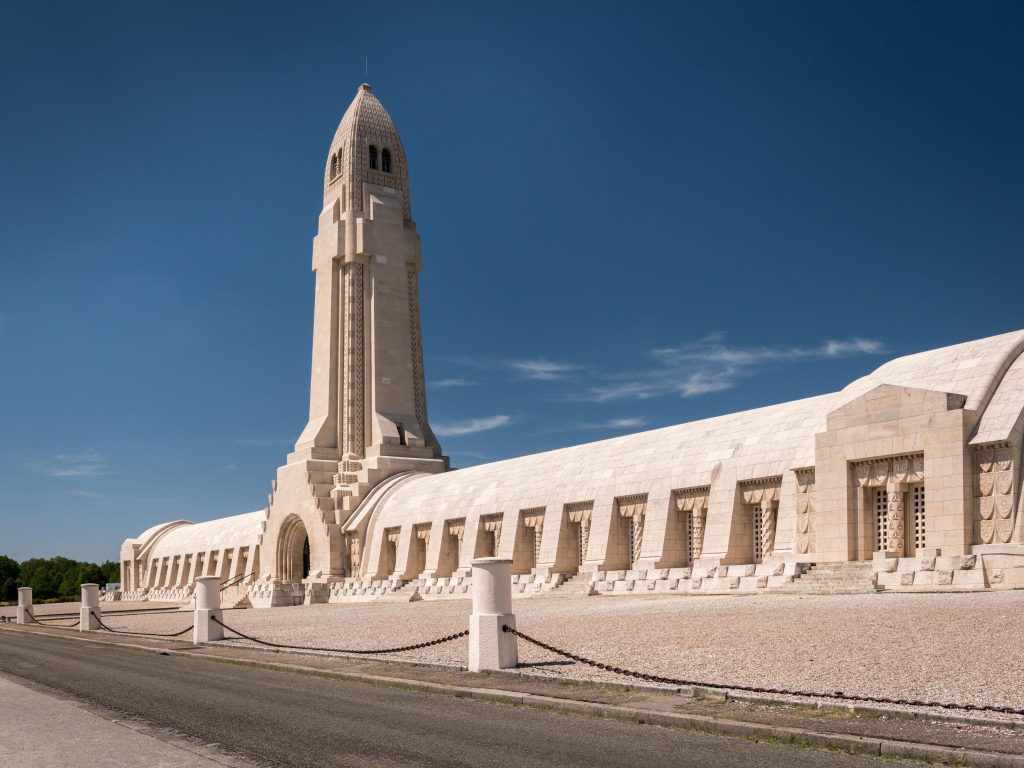
Douaumont Ossuary


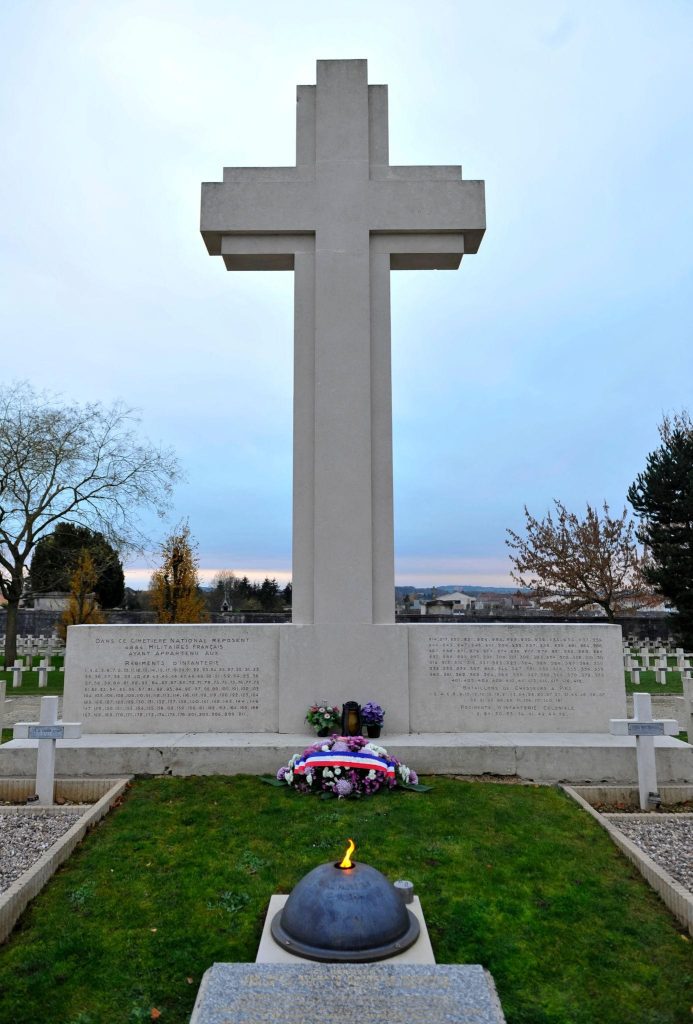
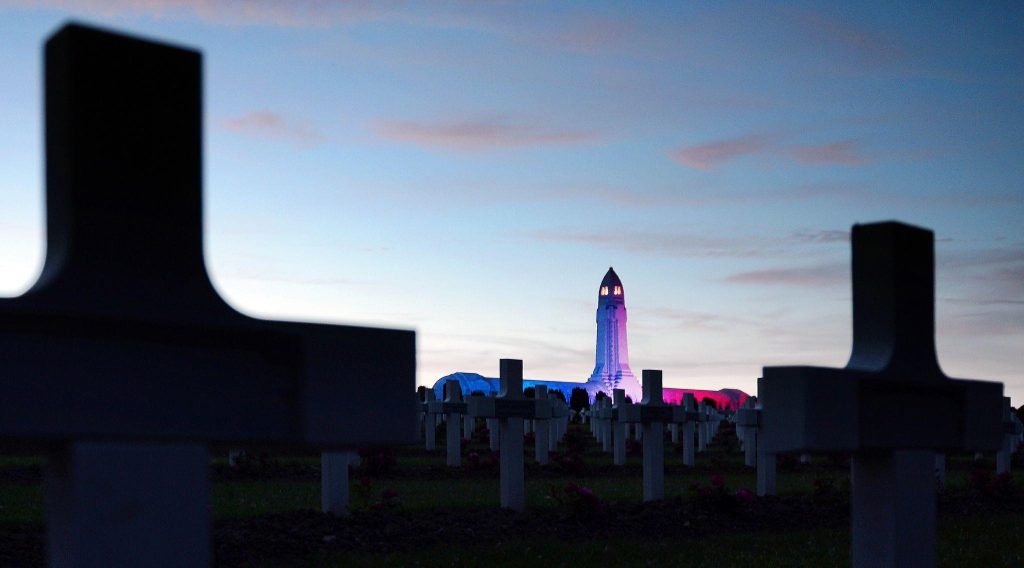
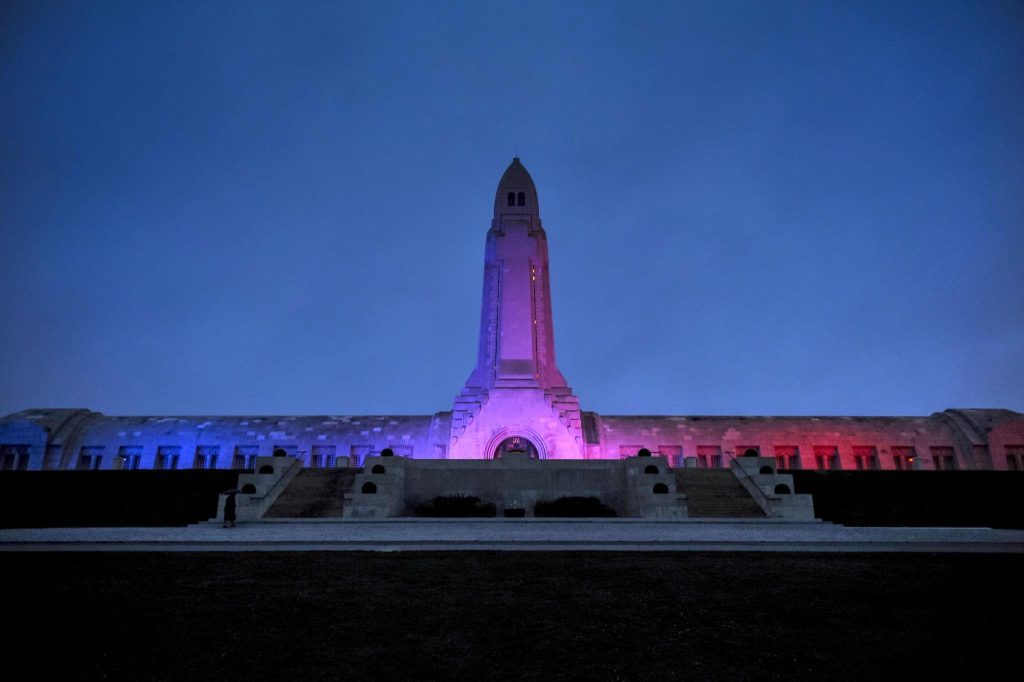
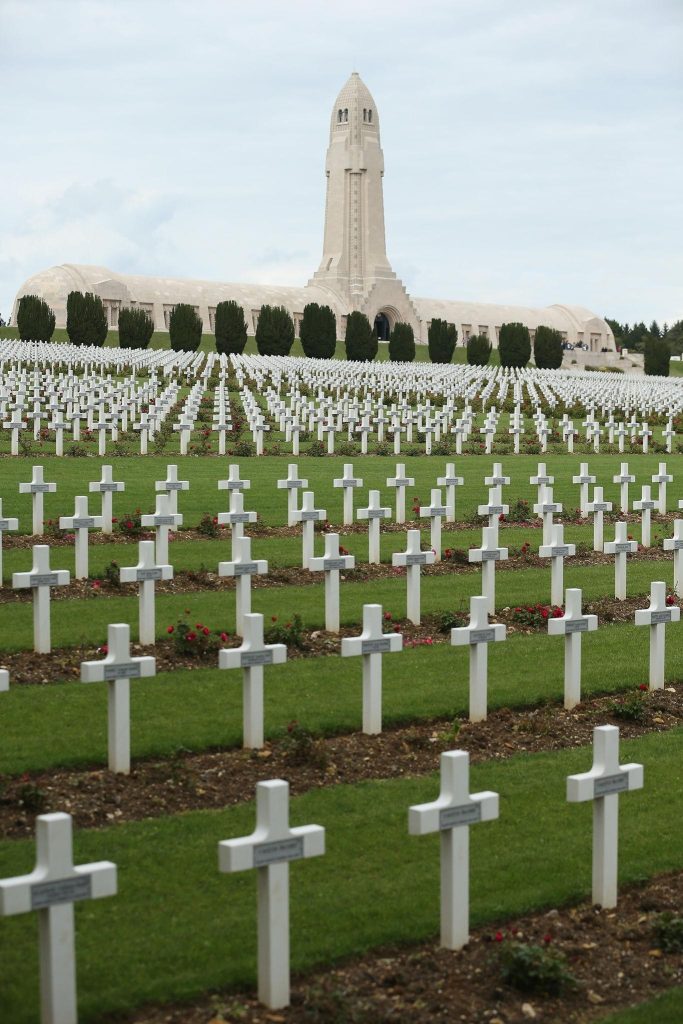
The Ossuary at Douaumont contains the remains of approximately 130,000 unidentified French and German soldiers.
Not enemies.
Not statistics.
Men.
Behind the small windows are piles of bones gathered from the battlefield.
A femur beside a skull.
French beside German.
Death no longer caring about nationality.
The arguments of politicians ended here.
The ambitions of generals ended here.
The cost of war remains visible in stone and bone.
The Final Lesson
This is not a battlefield preserved for display.
It is a battlefield that never truly healed.
Entire villages disappeared.
Thousands of men disappeared.
The land remembers both.


Verdun is not a monument to victory.
It is not a monument to military achievement.
It is a warning.
A warning written in blood.
The battle demonstrates how efficiently mankind can manufacture death.
The letter demonstrates how stubbornly mankind clings to life.
Among artillery, there was poetry.
Among destruction, there was art.
Among hatred, there was love.
That is why Verdun matters.
Not because of the battle.
But because even in the darkest place humanity could create, humanity itself endured.